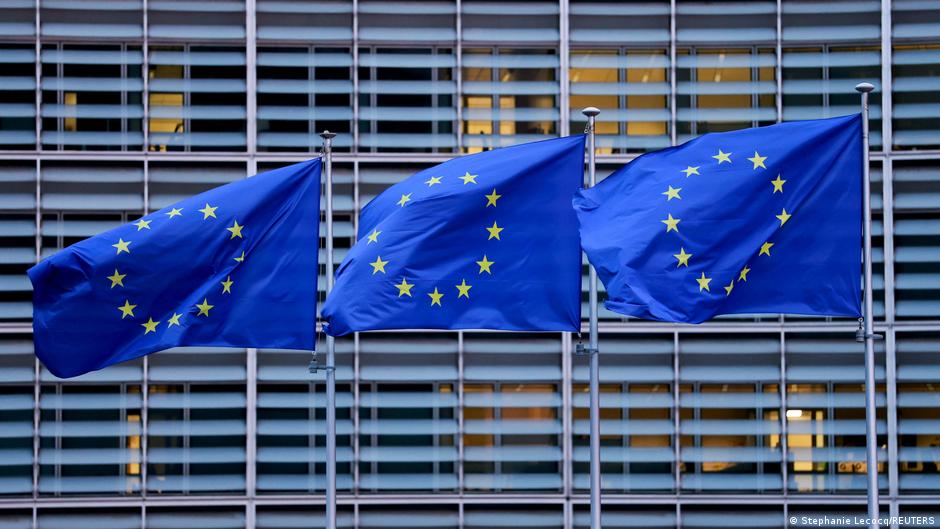
In a move reflecting the new directions of the European Union, Marta Kos, the European Commissioner for Enlargement, confirmed that expanding the Union is a top priority, highlighting the necessity for candidate countries to implement required reforms. This statement came ahead of a meeting of European foreign ministers in Brussels, where the importance of expansion was reiterated in light of current geopolitical circumstances.
Kos explained that the EU has taken tangible steps towards this goal, having established a working group to draft an accession treaty for Montenegro. This marks the first such initiative in 17 years, indicating that the EU views Montenegro as a serious candidate for membership.
Event Details
These developments occur against the backdrop of geopolitical changes in Europe, particularly following the Russian invasion of Ukraine in 2022, which has brought the issue of expansion back to the forefront of the European political agenda. Steven Blockmans from the Centre for European Policy Studies noted that the geopolitical need for expansion is recognized by all member states.
However, discussions in Brussels have centered on whether the traditional accession model remains suitable. Kos acknowledged that the EU still employs a methodology developed four decades ago, necessitating a reevaluation of current approaches.
Context and Background
Historically, the European Union has undergone several rounds of expansion, with countries from Eastern Europe joining over the past two decades. Nevertheless, current challenges, including economic and political crises, necessitate a reassessment of how to engage with candidate countries.
In this context, German Chancellor Friedrich Merz proposed launching all negotiation groups with Ukraine, in addition to offering a form of "associated membership" that would link Kyiv to the EU prior to full membership. He also called for granting the Western Balkan countries and Moldova preferential access to the European market.
Consequences and Impact
These proposals are part of a "phased accession" model that the EU has begun to adopt, where benefits are offered to candidate countries in the pre-accession stages. Blockmans pointed out that some ambitious proposals for Ukraine have faced resistance from member states.
Among these proposals is the idea of "reverse expansion" suggested by Ukrainian President Volodymyr Zelensky, which entails Ukraine joining the EU first and then completing reforms later. However, this idea was swiftly rejected by member states.
Impact on the Arab Region
The expansion of the European Union is a matter of significant importance for Arab countries, as it could influence economic and political relations between the EU and Arab nations. Additionally, stability in the Balkans could positively reflect on regional security in the Middle East.
In conclusion, EU expansion remains a complex issue that requires a delicate balance between internal reforms and external challenges. Montenegro's success in joining could serve as a test for the new mechanisms currently being discussed in Brussels.