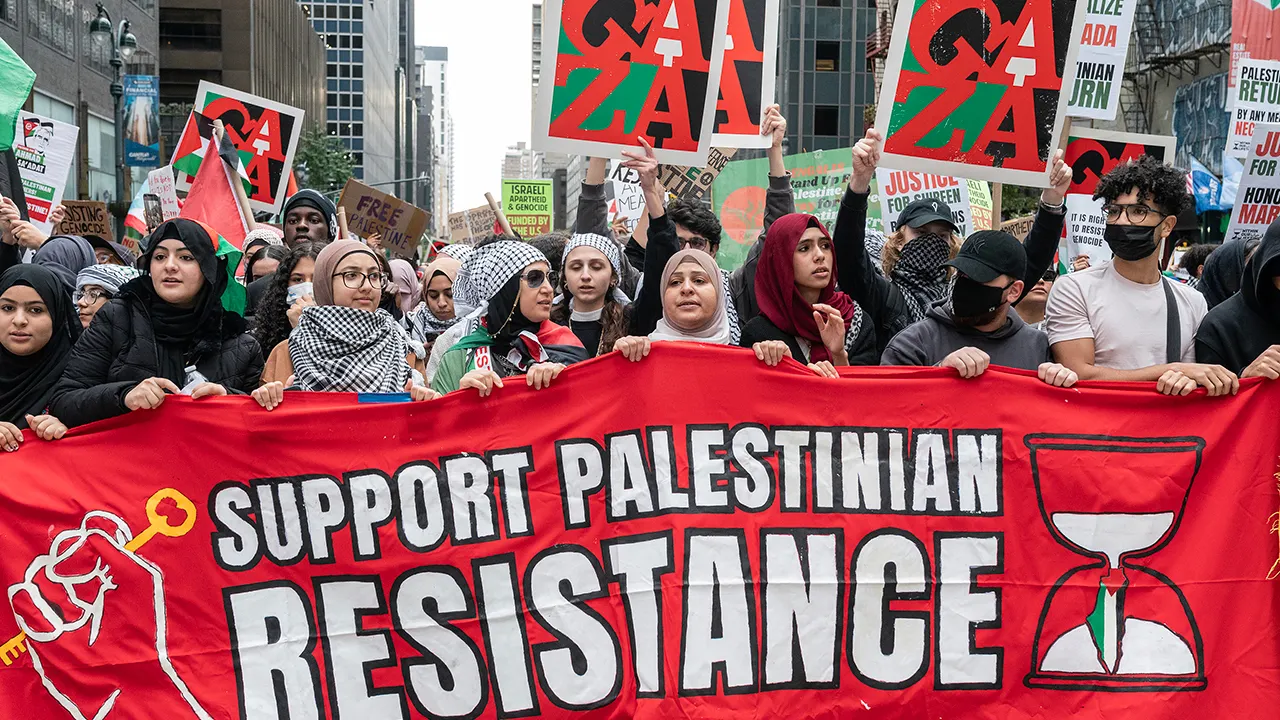
Armed resistance is increasingly confronted with challenges in the context of escalating US-Israeli aggression, prompting inquiries into the future of this resistance. These challenges manifest in a triad of thought encompassing occupation, resistance, and disagreements over patterns and methods of resisting occupation, necessitating a reassessment of current strategies.
Historically, the region has witnessed various forms of resistance against occupation, ranging from armed struggle to peaceful protests. As events unfold, it has become essential to evaluate the effectiveness of these methods in addressing current challenges. Is armed resistance still the most suitable option, or is there a need to adopt new strategies that align with changing circumstances?
Event Details
In recent years, the pace of US-Israeli aggression has intensified, exacerbating conditions in the occupied territories. This escalation has not only impacted security but also affected the morale of the resistance fighters. With increasing pressures, the question arises on how to unify ranks and coordinate efforts among different factions to confront this aggression.
Opinions vary on how to resist occupation, with some advocating for traditional methods while others prefer adopting new approaches that rely on technology and innovation. This divergence in perspectives reflects the challenges facing resistance under current conditions.
Background & Context
Over the decades, Palestinian resistance has symbolized resilience in the face of occupation. However, political and social conditions have significantly changed. Recent events, such as Arab normalization with the occupation, have influenced the stance of the resistance and provided new implications for dealing with occupation.
Historically, there have been numerous attempts to unify efforts among Palestinian factions, but these attempts often faced internal and external obstacles. Currently, the need for unity appears more urgent than ever, especially in light of increasing challenges.
Impact & Consequences
The continuation of US-Israeli aggression could lead to severe consequences for humanitarian conditions in the occupied territories. With the rise in military operations, the number of casualties increases, complicating social and economic conditions. This situation could exacerbate humanitarian crises and heighten tensions in the region.
Moreover, the disagreement over methods of resistance may lead to internal divisions, weakening efforts to confront occupation. Therefore, it is crucial for Palestinian factions to adopt integrated strategies that ensure the achievement of national goals.
Regional Significance
The repercussions of US-Israeli aggression extend beyond the occupied territories, affecting stability across the entire Arab region. Ongoing conflicts may lead to chaos and increased tensions among Arab states. Furthermore, the persistence of occupation could hinder peace and stability efforts in the region.
In this context, Arab states must reassess their policies toward the Palestinian issue. Arab solidarity with Palestine is essential to confront current challenges. Supporting Palestinian resistance can contribute to enhancing stability in the region.
In conclusion, the future of armed resistance amid escalating US-Israeli aggression requires comprehensive reevaluation and integrated strategies. Unity and coordination among Palestinian factions, along with support from Arab states, can help achieve national goals and enhance prospects for peace in the region.