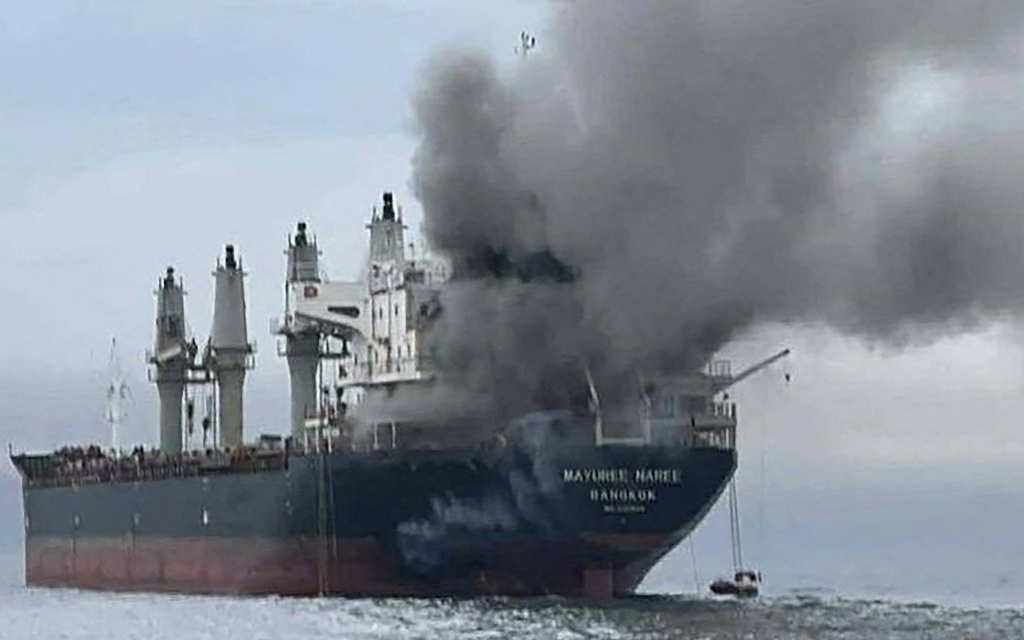
The Gulf Cooperation Council (GCC) countries are confronting unprecedented challenges due to the US-Israeli war on Iran, which commenced in February 2026. Iranian assaults on energy infrastructure in the Gulf states have resulted in severe losses, raising questions about the future of the "Gulf Moment," which signifies the rise of these nations as economic and political powers in the region.
In 2018, Emirati academic Abdul Khaleq Abdullah published a book titled "The Gulf Moment," highlighting how countries like the UAE, Qatar, and Saudi Arabia have surpassed historical nations such as Egypt and Iraq, playing a significant role on the global stage. These profound transformations are linked to the strategic integration of these nations with the global economy.
Details of the Current Conflict
The ongoing war represents a real test for Gulf economies, as Iran aims to raise the cost of war on the global economy by targeting energy infrastructure. Reports indicate that Gulf states have lost approximately $15 billion in energy revenues during the first two weeks of the conflict, raising concerns about their ability to recover from such economic pressures.
One of Iran's primary strategies has been a partial closure of the Strait of Hormuz, which is considered the main artery for oil transport, through which 20% of the world's oil passes. This action threatens to disrupt global supplies and increases pressure on Gulf economies.
Background & Context
The "Gulf Moment" has relied on geopolitical stability, with Gulf nations benefiting from energy and resource flows. However, the current war reveals the fragility of this dependence, as any disruption in supplies could lead to severe repercussions for the economies of these countries.
Moreover, reliance on the United States as a security guarantor has come into question, especially with conflicting statements from the US President regarding his country's commitment to the Gulf. These circumstances may prompt Gulf states to reassess their strategic relationships with Washington.
Impact & Consequences
The current crisis illustrates that the "Gulf Moment" was contingent upon stable geopolitical conditions. The dependence of these nations on global energy and resource flows has proven to be fragile and easily disrupted. Additionally, this crisis reflects the extent of Gulf states' reliance on American dominance, as Washington has provided military and technical support to these countries for decades.
At the same time, the war could strengthen Iran's position, potentially leading it to demand greater control over trade through the Strait of Hormuz. This scenario may leave Gulf nations with the option of enhancing their relationships with the United States to ensure their economic and security stability.
Regional Significance
These events hold significant importance for other Arab nations, as Gulf stability directly impacts the Arab economy as a whole. Any disruption in oil supplies could lead to price hikes and negative effects on the economies of other Arab countries.
In conclusion, the "Gulf Moment" hangs in the balance, as current events may determine the future of economic and political relations in the region. Despite the challenges, the ability of Gulf states to adapt to crises will remain a focal point for observers.