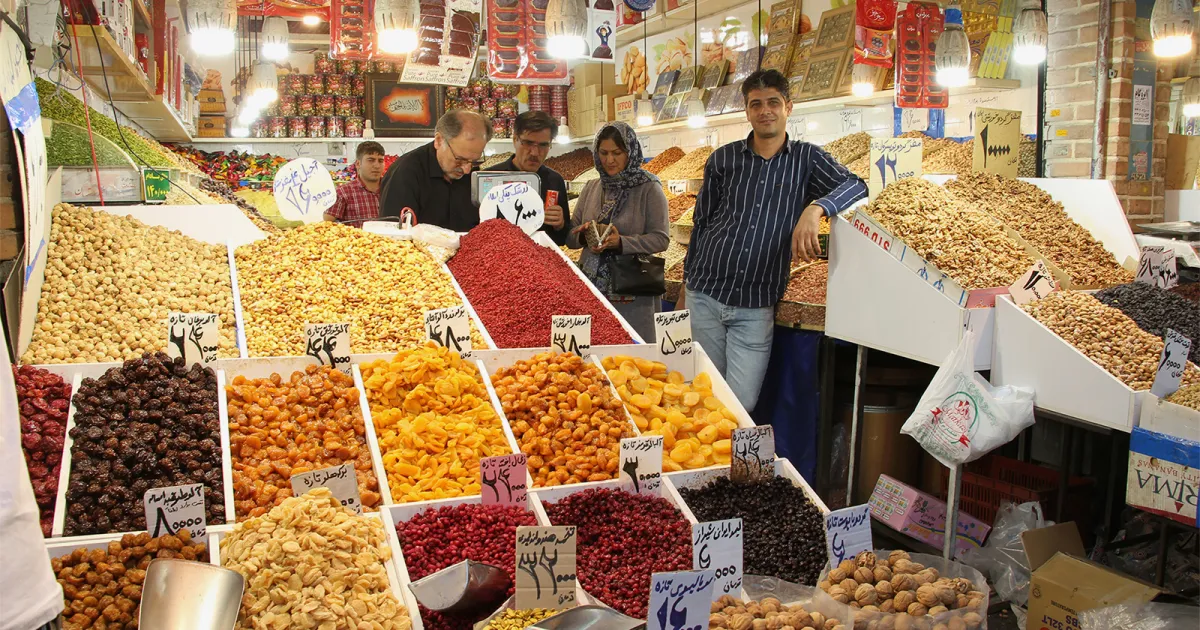
The US naval blockade on Iran has been ongoing for 12 days, with local markets still providing basic necessities. However, prices are rising, raising concerns about potential shortages of goods in the future. The Iranian government is actively seeking alternative ways to alleviate the impact of this blockade on its citizens.
Despite Iranian markets being stocked with essential goods such as food and medicine, there is a noticeable increase in prices. This rise comes at a sensitive time as citizens face mounting economic pressures. The Iranian government is taking urgent measures to address these challenges.
Details of the Current Situation
The US naval blockade on Iran is part of the maximum pressure policy adopted by Washington against Tehran. This blockade aims to reduce Iran's ability to access global markets, directly affecting the local economy. Many traders have reported that some goods are beginning to run low in markets, increasing anxiety among the populace.
Reports indicate that the Iranian government has started looking for alternative methods to import essential goods. Among these methods is strengthening trade relations with neighboring countries, such as Iraq and Turkey, to secure local market needs. Additionally, there are efforts to expand local production to reduce reliance on imports.
Background & Context
Historically, Iran has faced numerous economic sanctions imposed by the United States and other countries. These sanctions have often had negative effects on the Iranian economy, leading to a decline in the standard of living. The current blockade comes at a critical time as the country is suffering from a severe economic crisis, necessitating a swift and effective response from the government.
The Iranian government, facing both internal and external challenges, is striving to bolster the economy by developing local industries and increasing production. However, US sanctions pose a significant obstacle to these efforts, complicating the economic situation further.
Impact & Consequences
The repercussions of the US blockade on Iran may extend beyond the local economy. Rising prices and shortages of essential goods could exacerbate social conditions, increasing public discontent. This discontent may reflect on the political stability of the country, potentially leading to popular protests against the government.
Moreover, the blockade could affect Iran's relations with other countries, as Tehran may find itself compelled to strengthen ties with non-Western nations such as Russia and China. These relationships could open new avenues for economic cooperation, but they may come with political costs.
Regional Significance
The situation in Iran has direct implications for the Arab region. Increased tensions in Iran could escalate crises in neighboring countries such as Iraq and Syria. Additionally, any economic deterioration in Iran could impact trade flows in the region, adversely affecting Arab countries that rely on Iran as a source of goods.
At the same time, economic crises in Iran may create new opportunities for Arab countries to enhance their trade relations with Western nations, attempting to compensate for the shortage of Iranian goods. This shift could lead to a reconfiguration of economic relationships in the region.
In conclusion, the US blockade on Iran represents a significant challenge not only for the Iranian economy but also for the entire region. An effective response from the Iranian government and neighboring countries is essential to ensure market stability and meet citizens' needs.