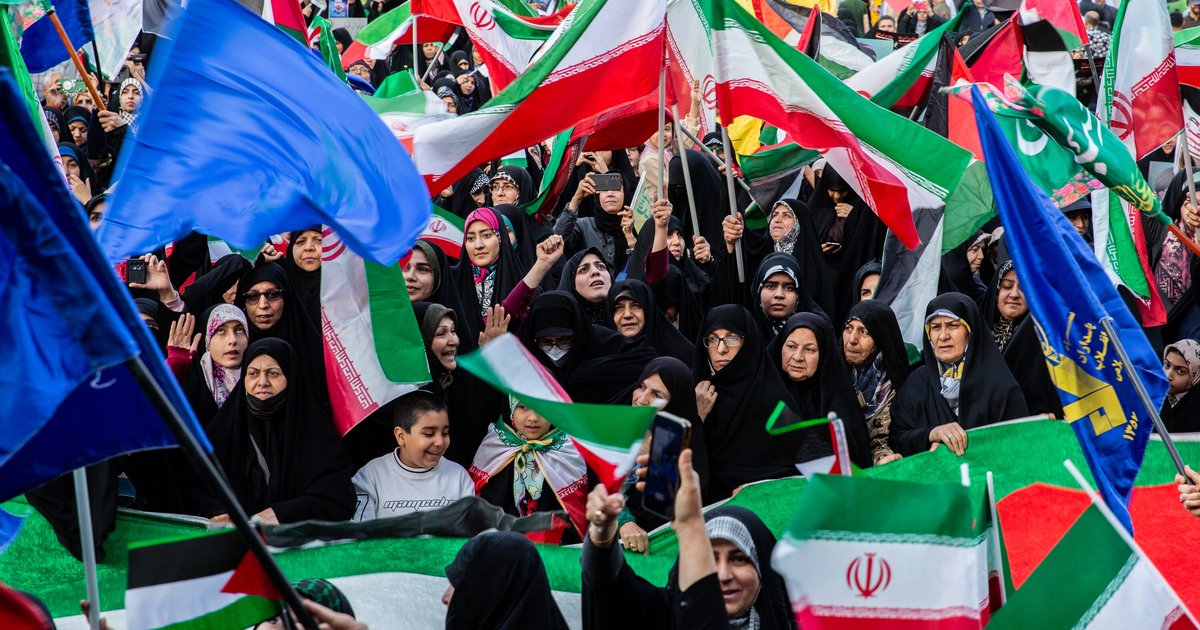
Questions are rising about the future of Iranian policy following the deaths of Ali and Mojtaba Khamenei. Many observers believe that the theocratic structure and the role of the Revolutionary Guard will remain unchanged, suggesting that Iran's regional policy will not undergo significant transformation.
Iran is considered one of the most influential countries in the Middle East, playing a pivotal role in numerous regional conflicts. Despite potential changes in leadership, military and security institutions, such as the Revolutionary Guard, still wield significant power in directing foreign policy.
Details of the Event
The deaths of Ali and Mojtaba Khamenei, who are regarded as prominent figures in the Iranian system, have raised widespread concern in political circles. However, many believe that these changes will not significantly affect Iranian strategy, given the presence of strong institutions supporting the regime.
The Iranian Revolutionary Guard, which is the main military force in the country, plays a crucial role in maintaining internal stability and enhancing Iranian influence abroad. Therefore, any changes in leadership may be more formal than substantive.
Background & Context
The Iranian system was established after the Islamic Revolution in 1979, creating a theocratic structure that ensures complete control by the Supreme Leader and the Revolutionary Guard. Since then, Iran has faced multiple challenges, including economic sanctions and international isolation, yet it has managed to maintain its influence in the region.
Historically, Iran has sought to expand its influence by supporting armed groups in Iraq, Syria, and Lebanon. This strategic approach has helped it bolster its regional presence, making it difficult to alter policy even with changes in leadership.
Impact & Consequences
The deaths of prominent figures like the Khameneis may lead to a reassessment of certain policies, but it is unlikely to affect core strategic objectives. The Revolutionary Guard, which has an extensive network of relationships and interests, will continue to steer Iranian policy.
These changes could escalate tensions with Western countries, especially amid ongoing sanctions imposed on Iran. Additionally, any internal shifts may affect Iran's ability to address external challenges, complicating the situation further.
Regional Significance
Neighboring Arab countries, such as Saudi Arabia and the UAE, are among those most affected by potential changes in Iranian policy. Any shifts in leadership could lead to a reassessment of regional relations and may raise new concerns about escalating conflicts.
At the same time, some Arab nations may seek to strengthen their alliances to counter Iran's growing influence, potentially leading to changes in regional dynamics. Continued support for armed groups in the region may keep tensions alive, even with changes in Iranian leadership.
In conclusion, the question of the future of Iranian policy remains open. However, the strong theocratic structure and the role of the Revolutionary Guard may ensure the continuity of regional policy, regardless of any leadership changes.