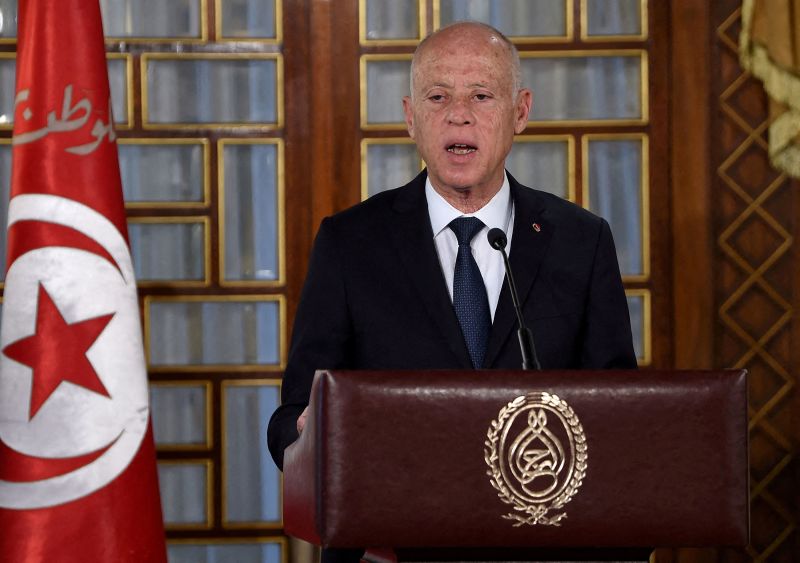
Tunisian President Kais Saied's speech delivered on Tuesday ignited a significant debate within political and media circles. This occurred during his supervision of a meeting with Prime Minister Sarah Al-Zafri and several ministers, where Saied strongly criticized appointments in Tunisian administrations.
During the meeting, Saied emphasized that appointments are made based on personal loyalties rather than competence, reflecting a crisis of trust in government institutions. Some considered his use of symbols in the speech to be vague, raising questions about the appropriateness of such methods in presidential discourse.
Details of the Event
In his remarks, Saied pointed out that the current situation necessitates a reevaluation of how officials are selected in the state. He expressed concern that political loyalties could negatively impact government performance, which would reflect on the services provided to citizens. This criticism comes at a sensitive time for Tunisia, as the government seeks to enhance trust in its institutions.
Saied also addressed the importance of competence in public administration, stressing the need to select the right individuals for sensitive positions. He considered this essential for achieving sustainable development in the country.
Background & Context
These statements come at a time when Tunisia is grappling with increasing economic and social crises. The country has witnessed popular protests demanding improved living conditions and job opportunities. There are also growing calls for political and administrative reforms, which intensify the pressure on the government.
Historically, Tunisia has experienced numerous political changes since the revolution in 2011, yet economic and social challenges persist. Saied's speech is viewed as part of his efforts to rebuild trust between the government and citizens.
Impact & Consequences
Saied's statements may lead to further debate regarding the government's management of current crises. While some see the criticisms as necessary, others believe that the use of symbols may raise more doubts about the government's intentions. This debate could affect the government's stability and exacerbate political divisions in the country.
Moreover, these statements might impact the relationship between the government and civil society, as some may feel that the government is not listening to their demands. At the same time, these criticisms could strengthen Saied's position among his supporters, who view him as a voice for the citizens.
Regional Significance
Tunisia is considered a model in the Arab region following the Arab Spring revolutions, but ongoing crises could affect this model. If the situation remains unchanged, it may lead to a decline in trust in other Arab governments facing similar challenges.
Additionally, events in Tunisia could inspire protest movements in other countries, as citizens seek to improve their living and political conditions. Therefore, what happens in Tunisia will have wide-ranging implications for the entire region.
In conclusion, President Saied's speech remains a focal point for many, reflecting the challenges Tunisia faces in its pursuit of reform. The government's ability to respond to citizens' demands will determine the country's future in the coming period.