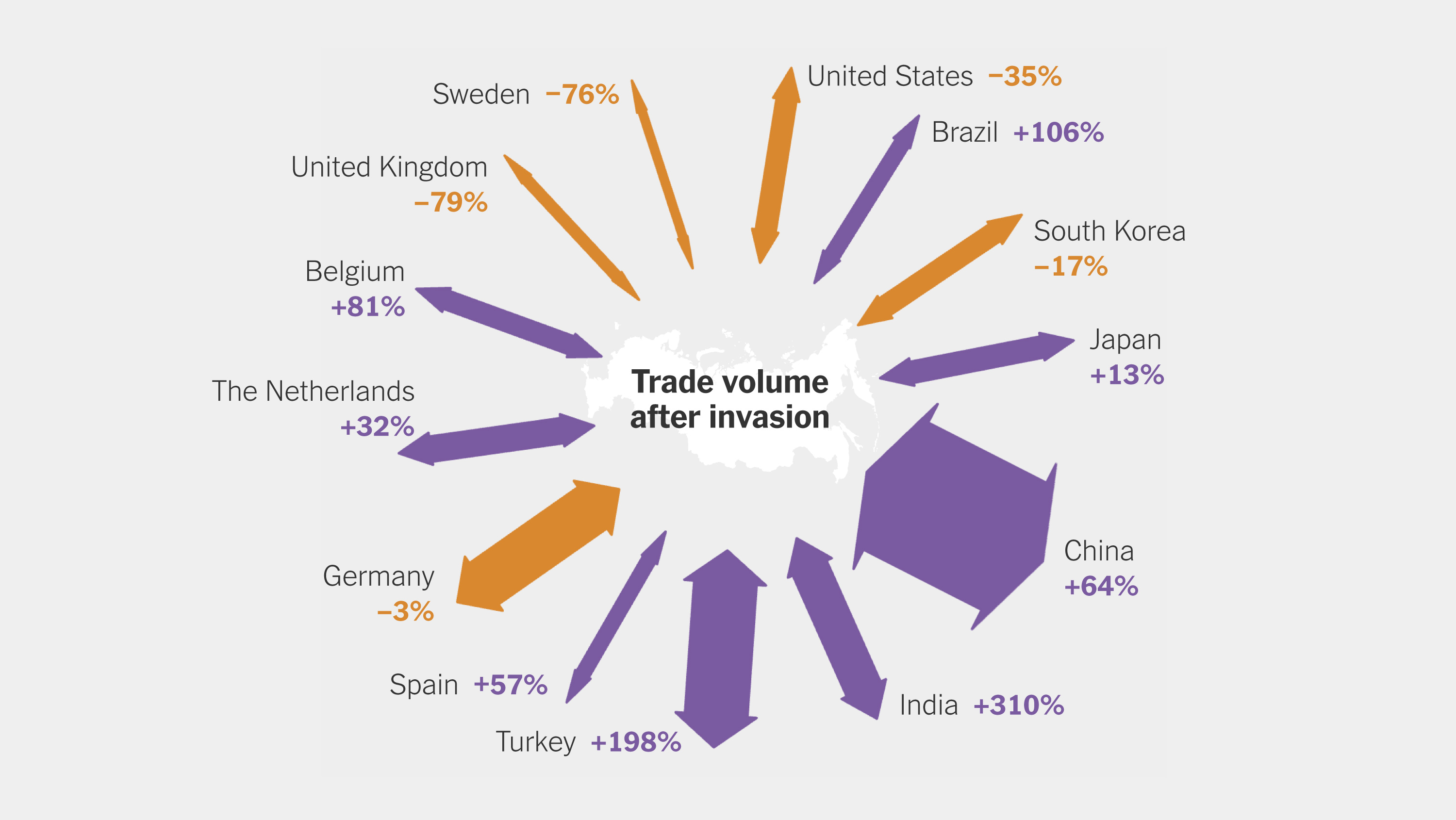
Concerns are rising about the effects of the war initiated by the U.S. economy on its stability, as attention turns to how global markets are affected by this conflict. With escalating tensions, a key question emerges: can the U.S. economy remain insulated from the repercussions of this war?
Reports indicate that the U.S. economy may face significant challenges due to the escalation of conflicts, as these events are expected to impact trade and investment. While policymakers strive to boost growth, geopolitical crises may hinder these efforts.
Event Details
Recently, financial markets have experienced sharp fluctuations, reacting to news related to military conflicts. Data has shown that foreign investments in the United States may be negatively affected, potentially leading to a decline in economic growth. Additionally, rising oil prices due to conflicts could reflect on production costs, putting pressure on both companies and consumers.
Moreover, unemployment reports suggest that the U.S. economy may struggle to create new job opportunities, increasing pressure on the government to improve economic conditions. Under these circumstances, the question remains about how the U.S. economy will respond to these challenges.
Background & Context
Historically, the U.S. economy has experienced significant impacts from military conflicts, as wars have always had repercussions on economic growth. For instance, during previous wars, the United States witnessed changes in its economic policies, affecting investments and markets.
In recent years, there have been attempts to bolster the U.S. economy through stimulus policies, but with the escalation of conflicts, these efforts may fade. Understanding the historical context helps analyze how the U.S. economy might react to current crises.
Impact & Consequences
If conflicts persist, the U.S. economy may face serious repercussions. Crises are expected to lead to increased inflation, affecting consumers' purchasing power. Companies may find it difficult to adapt to rapid market changes, potentially resulting in decreased productivity.
Furthermore, political instability may affect investor confidence, leading to a decline in both foreign and domestic investments. Under these circumstances, the U.S. government may find itself compelled to take urgent measures to support the economy.
Regional Significance
The Arab region is directly affected by events in the United States, as the U.S. economy is one of the main drivers of the global economy. If the U.S. economy is impacted, it could lead to negative repercussions for Arab markets, particularly in trade and energy sectors.
Additionally, military conflicts may lead to increased oil prices, affecting oil-producing Arab countries. At the same time, Arab nations may find themselves in a difficult position, needing to adapt to global economic changes.
In conclusion, the U.S. economy remains in the spotlight, with rising questions about its ability to face challenges. Current events may pose a real test for the U.S. economy, necessitating close monitoring by investors and policymakers.