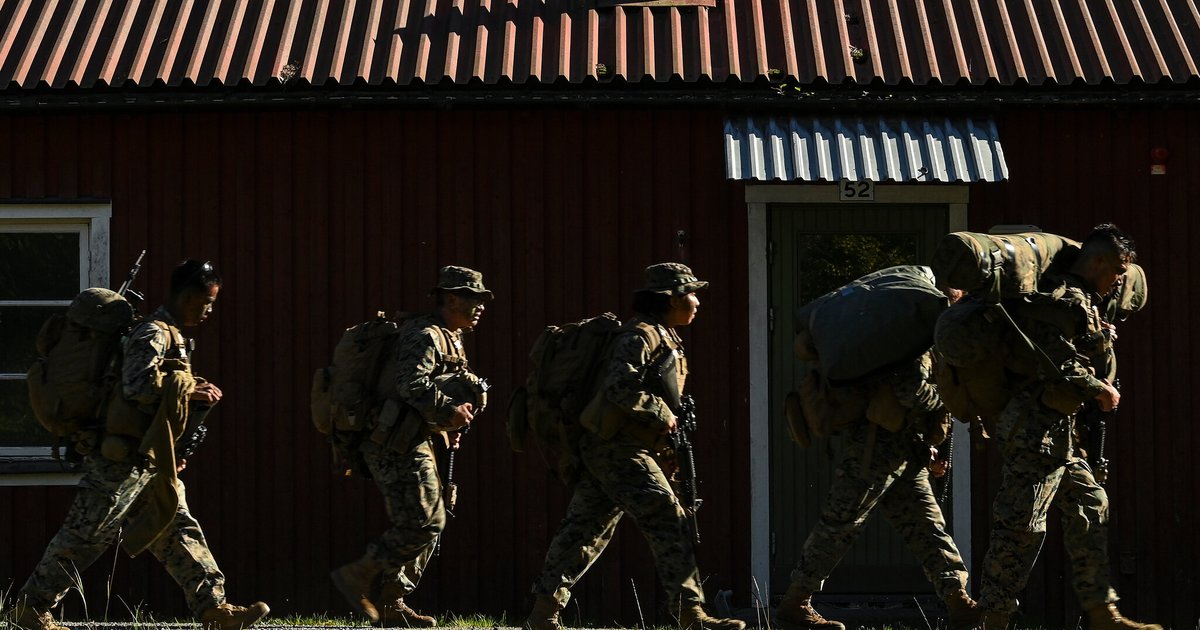
This year's Easter celebrations are marked by a climate of political and moral tensions, where the values represented by Jesus Christ are being tested amid ongoing conflicts in the region. This atmosphere reflects a retreat from the principles proposed by his disciples, including the Catholic priest Thomas Aquinas in the 13th century, which relate to the conditions of 'just war'.
Events in the region continue to unfold, with escalating conflict between the US-Israeli alliance and Iran, raising questions about the effectiveness of the massive military spending allocated by Western nations. Despite the enormous budgets dedicated to the military, the results do not reflect the achievement of the desired security and stability.
Details of the Current Situation
Reports indicate that the US-Israeli alliance has increased its military investments in recent years in an attempt to counter the growing threats from Iran. However, these investments have not yielded the desired outcomes and have instead intensified tensions in the region.
Concerns are growing that these military policies may lead to an escalation of conflicts rather than achieving peace. There are also increasing calls from some thinkers and politicians to reconsider defense and security strategies, focusing on diplomatic solutions instead of military ones.
Background & Context
Historically, the region has witnessed numerous conflicts that have had profound effects on security and stability. For decades, there have been multiple attempts to achieve peace among the conflicting parties, yet these efforts often face significant obstacles. In this context, military spending does not appear to be an effective solution; rather, it may have contributed to worsening conditions.
Voices advocating for a return to the human and moral values represented by the teachings of Jesus Christ, which call for peace and love, are increasing. As Christians celebrate Easter, it becomes essential to reflect on how to realize these values in a world filled with conflicts.
Impact & Consequences
The repercussions of the current conflict extend beyond geographical borders, affecting regional and international security. The continuation of military conflicts could lead to chaos and an increase in the number of refugees, placing additional pressures on neighboring countries.
These conditions may also affect relations between Western and Arab countries, as criticisms of the military policies pursued by Western nations are on the rise. There is an urgent need to adopt new strategies that focus on dialogue and cooperation rather than military confrontation.
Regional Significance
The Arab region is facing significant challenges due to ongoing conflicts. The negative impact of these conflicts is reflected in economic and social stability, with rising poverty and unemployment rates in many countries.
In light of these conditions, it is crucial for Arab nations to adopt policies that focus on sustainable development and enhance regional cooperation, rather than becoming embroiled in military conflicts. Achieving security and stability requires joint efforts and effective collaboration among all concerned parties.
In conclusion, the question remains: Will Western nations succeed in reevaluating their military strategies, or will they continue to ignore the human values represented by the teachings of Jesus Christ?