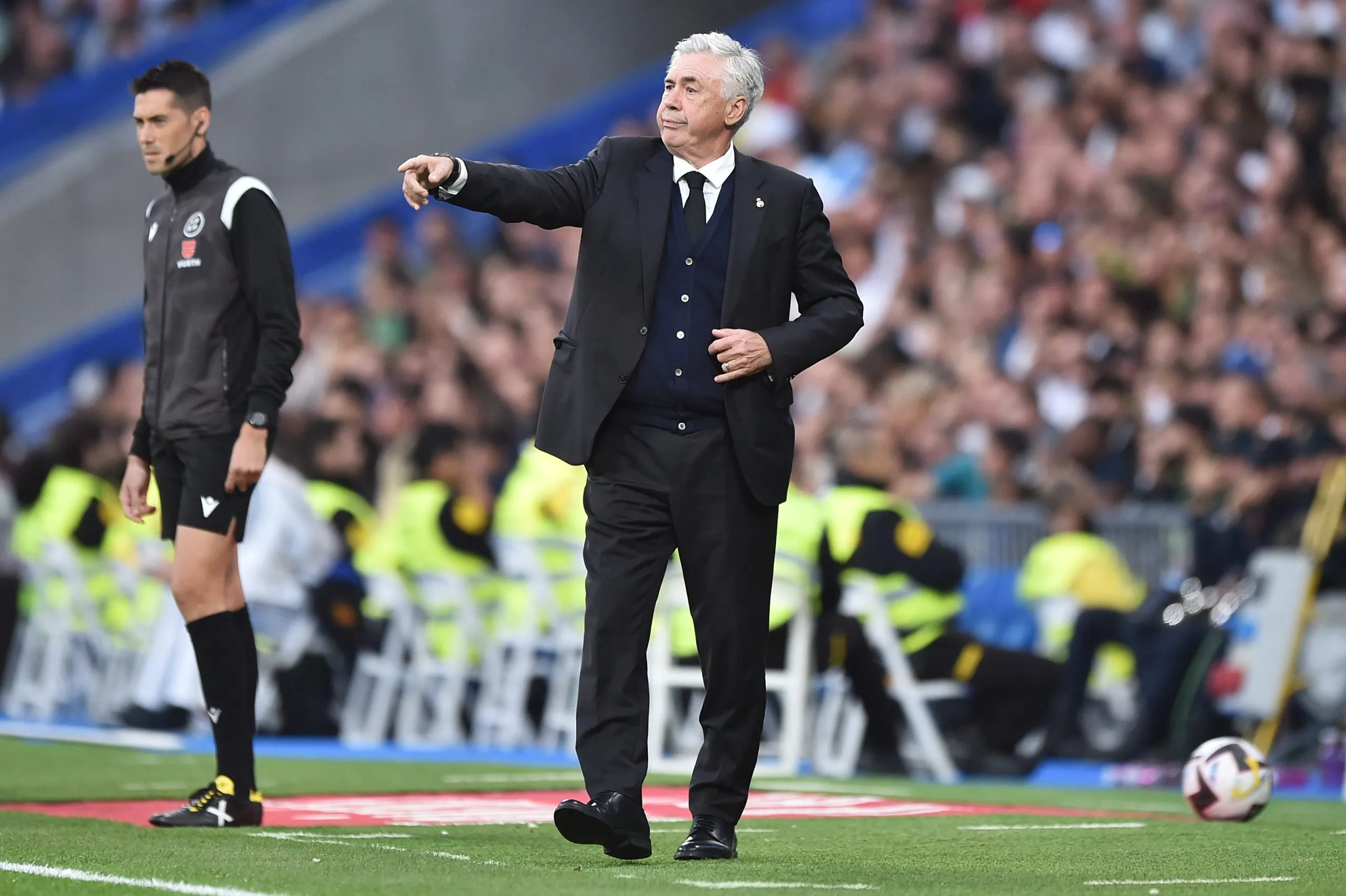
In a significant move, Atletico Madrid has addressed the Technical Committee's admission of a referee error in the match against Barcelona, which took place earlier this month. This acknowledgment followed a controversial performance by the referee that generated considerable discussion among fans and critics, prompting the club to take an official stance.
Atletico Madrid clarified in an official statement that refereeing mistakes significantly impact match outcomes, and while the acknowledgment of the referee's error is a positive step, it does not restore justice for the team adversely affected by this mistake. The club emphasized the importance of improving the standard of officiating in La Liga.
Details of the Controversy
The match that stirred the controversy ended with a victory for Barcelona, but Atletico Madrid believed that there were clear refereeing errors that affected the course of the game. The club pointed out that the referee failed to award a clear penalty for one of its players, which caused dissatisfaction among fans and management.
This acknowledgment from the Technical Committee came after a thorough review of the match proceedings, confirming that the referee made errors in assessing certain decisions. Atletico Madrid's management expressed hope that serious steps would be taken to enhance referee performance in the future.
Background & Context
Historically, La Liga matches have witnessed numerous controversies regarding refereeing decisions, with clubs frequently complaining about unfair officiating. This issue is not new; it dates back several years, with clubs facing similar situations.
Spanish football is regarded as one of the most competitive leagues in the world; however, refereeing errors can significantly influence the championship's trajectory. In recent years, Video Assistant Referee (VAR) technology has been introduced to assist referees in making decisions, yet criticisms remain regarding its implementation.
Impact & Consequences
This acknowledgment could open the floor for discussions on how refereeing is managed in La Liga and may lead to calls for a reevaluation of referee selection and training standards. Additionally, this issue could affect the league's reputation overall, as everyone strives for fairness in competitions.
These events are likely to impact the outcomes of upcoming matches, as players and teams may feel pressure due to previous errors. Furthermore, fans could be significantly affected, potentially leading to increased tension during matches.
Regional Significance
Football is one of the most popular sports in the Arab world, with millions following European matches, including La Liga. Therefore, any controversy regarding officiating in these tournaments resonates with Arab fans.
This debate may lead to heightened discussions about officiating in local tournaments, as fans seek to witness fair and effective refereeing in their teams' matches. Moreover, this issue could contribute to raising awareness about the importance of officiating in football.
The acknowledgment of the referee's error represents a step towards improving officiating standards in La Liga, but the question remains: will the necessary steps be taken to prevent the recurrence of such errors in the future?