Preparations have intensified for the 2026 FIFA World Cup set to kick off this month, with qualified national teams contesting their final friendly matches amid mixed sentiments of optimism and caution. As the world prepares to host the first edition of the global football spectacle across three nations—the United States, Canada, and Mexico—co-hosts and contenders alike used these fixtures to fine-tune their strategies, test squad depth, and assess their tactical readiness before the tournament begins in earnest.
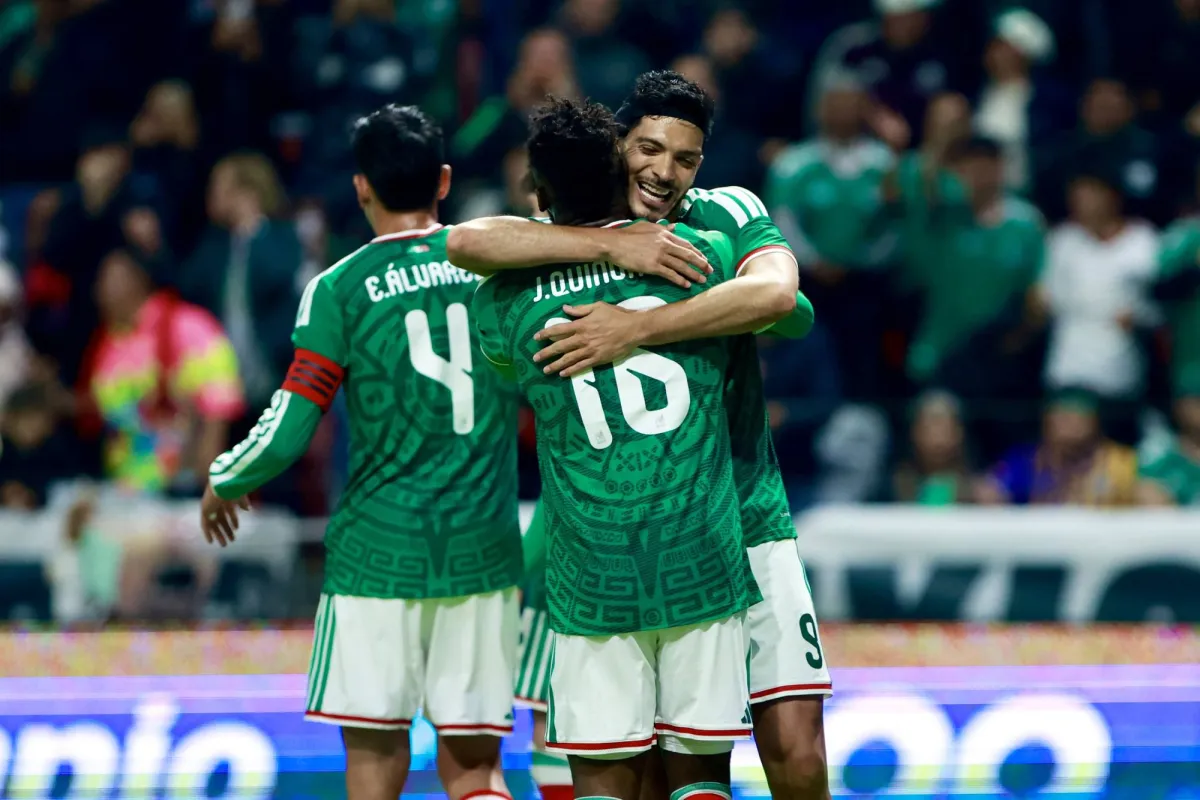
The Mexican national team, affectionately known as "El Tri," delivered a stunning statement performance by demolishing Serbia 5-1 at the Nemesio Díez Stadium in Toluca, sending a powerful message about their preparedness as tournament hosts. Meanwhile, French coach Didier Deschamps sounded serious alarm bells following the "Roosters'" surprising defeat to Ivory Coast, declaring the loss a genuine "wake-up call" that exposed vulnerabilities requiring immediate attention before competitive action begins.
Friendly Match Breakdown
In Toluca, Serbia opened the scoring early through Petar Stanic in the 19th minute, but coach Javier Aguirre's side responded ruthlessly. Johan Vásquez equalized for Mexico in the 34th minute, before Raúl Jiménez added a second goal in the 57th minute to give the hosts decisive control of the proceedings.
The Serbian defense collapsed during first-half stoppage time when Stefan Bukinac inadvertently directed the ball into his own net in the 45+3rd minute. History repeated itself in the 72nd minute when teammate Adam Avdijic also scored an own goal, compounding Serbia's misery before Luis Chávez sealed the emphatic victory with a fifth goal in the 90th minute. This triumph extended Mexico's impressive unbeaten run to eight consecutive matches, comprising six victories and two draws.
Background & Context
North America is hosting the 23rd edition of the FIFA World Cup for the first time in the tournament's history across three countries. The expanded format will feature 104 matches played in 16 cities, with 48 teams participating for the first time ever, increasing from the previous 32-team structure used in previous tournaments.
Mexico hopes to replicate its historical achievements from when it hosted the finals in 1970 and 1986, reaching the quarterfinals on both occasions. The nation's best performances came in those tournaments, losing to Italy 4-1 in 1970 and falling to West Germany on penalties in 1986. France, the 2018 World Cup champions, aim to conclude Deschamps' final campaign with a historic third title for Les Bleus.
French Warnings and Spanish Experiments
In France, Deschamps—coaching his final tournament with the national team—expressed deep concern over the second-half display against Ivory Coast, noting that 10 substitutions failed to preserve their lead or maintain tactical discipline. "If we needed a wake-up call, we got it," he stated frankly, highlighting that African nations possess "maximum motivation" when facing France and cannot be underestimated.
Elsewhere, Spain concluded their European preparations with a 1-1 draw against Iraq in La Coruña. Coach Luis de la Fuente rested most of his established stars, including Lamine Yamal, Nico Williams, and Pedri, instead granting eight young players their senior international debuts. Among the newcomers given opportunities were Marc Bernal, Jon Martín, and Gonzalo García, as Spain looked toward future squad depth.
Regional Significance
These preparations carry particular importance for Arab audiences given the participation of multiple Arab national teams in the finals. Notably, Saudi Arabia competes in Group C alongside Spain, Uruguay, and Cape Verde, while Morocco aims to replicate their historic semifinal run from the Qatar 2022 World Cup and continue their remarkable recent form on the global stage.
The tournament also represents a historic opportunity for Arab diaspora communities in the United States and Canada to support their teams in stadiums located within areas of dense Arab immigrant populations, particularly in cities like Los Angeles, New York, and Montreal. Organizers anticipate significant Arab fan attendance that will lend a distinctive cultural character to the global celebration across North America.
National teams now enter the final phase of psychological and physical preparation as they relocate to their training camps across North America, awaiting the opening whistle scheduled for June 11 at the iconic Azteca Stadium in Mexico City, which will host the tournament's first match.