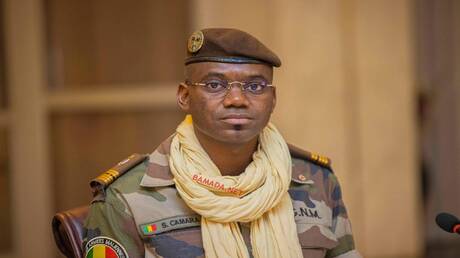
On Sunday, the Malian government announced the death of Defense Minister Sadio Kamara following an armed attack on his residence at the Kati military base near the capital, Bamako. This attack comes at a sensitive time as the country grapples with rising violence and terrorism, raising alarms about security and stability in the region.
The attack targeting Kamara is one of the bloodiest events Mali has witnessed in recent years, with armed assaults by extremist groups increasing in the northern and central parts of the country. This escalation has exacerbated the humanitarian and security situation, placing significant challenges on the government to maintain order and stability.
Details of the Incident
According to initial reports, the attack occurred in the early hours of Sunday morning when gunmen stormed the minister's residence at the Kati military base. The assault resulted in the death of Kamara and several of his personal guards, reflecting the magnitude of the threat posed by armed groups in the country.
The Kati military base is considered one of the most important military installations in Mali, housing numerous military leaders. The attack on the defense minister at this base underscores the audacity of armed groups and indicates vulnerabilities in the military security system.
Background & Context
Historically, Mali has experienced a series of political and security crises since 2012, when armed groups seized control of the northern part of the country. Since then, the Malian government has struggled to regain control over lost territories amidst multiple international interventions, including United Nations missions and French forces.
Despite ongoing efforts, the security situation in Mali remains volatile, with armed attacks continuing to rise, placing the government in a difficult position. Concerns have increased that this situation could lead to a spillover of violence into neighboring countries, threatening regional stability.
Impact & Consequences
The death of Defense Minister Sadio Kamara could have significant repercussions for the Malian government, potentially undermining confidence in military and political leadership. This incident may also raise questions about the effectiveness of the security strategies employed to counter armed threats.
Furthermore, this attack could increase pressure on the government to expedite security reforms and enhance cooperation with international partners. It may also lead to an escalation of military operations against armed groups, raising the risk of further civilian casualties.
Regional Significance
The events in Mali hold particular importance for the Arab region, as the rise of violence in West Africa could impact regional security. There are growing fears that the effects of instability in Mali could extend to neighboring countries, threatening security in the Sahel and Sahara regions.
Additionally, the situation in Mali highlights the importance of regional and international cooperation in addressing security threats. The current circumstances require a coordinated response from Arab and African nations to tackle shared challenges.
In conclusion, the assassination of the Malian defense minister marks a tragic event that underscores the significant challenges faced by the government in maintaining security and stability. The current situation demands an urgent and effective response from Malian authorities and the international community to prevent further deterioration.