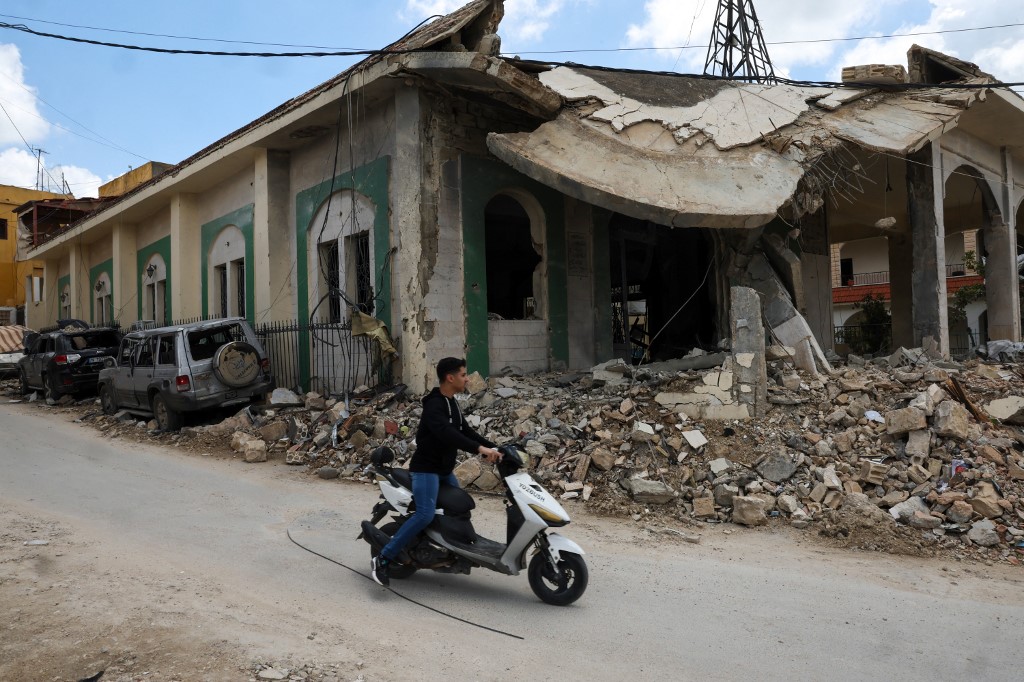
Hezbollah has executed a coordinated series of attacks against Israeli forces in southern Lebanon, targeting multiple military sites with drones and missiles. The group confirmed it successfully hit an artillery position in the Biyada area, as well as troop concentrations in Taybeh.
The group also reported that it launched attacks on Israeli vehicles and an evacuation unit in Taybeh, in addition to targeting a Merkava tank near Kfar Kila. These assaults come amid ongoing escalation between Hezbollah and Israeli forces, heightening tensions in the region.
Details of the Attacks
These attacks are part of the increasing military operations carried out by Hezbollah against Israeli forces, responding to repeated Israeli assaults on Lebanese territory. This reflects an escalation in the ongoing conflict between the two parties.
The operations involve the use of drones, a modern technology that allows the group to conduct precise strikes against Israeli military targets, showcasing Hezbollah's strategy to counter Israeli military superiority.
Background & Context
Historically, the Lebanese-Israeli border has witnessed persistent tensions, especially following the 2006 war, which resulted in significant shifts in the balance of power. Since then, Hezbollah has emerged as a major military force in Lebanon, possessing a stockpile of advanced weaponry.
Impact & Consequences
The recent attacks could lead to greater military escalation in the region, threatening the fragile stability along the Lebanese-Israeli border. Israeli reactions may be crucial in determining the course of future events, as Israel is likely to resort to retaliatory military operations.
Regional Significance
This escalation highlights the growing military tensions in the region and its implications for regional stability. The ongoing conflict poses risks not only to Lebanon but also to the broader geopolitical landscape in the Middle East.
As the situation develops, the potential for further conflict remains high, with both sides likely to prepare for increased military engagement.