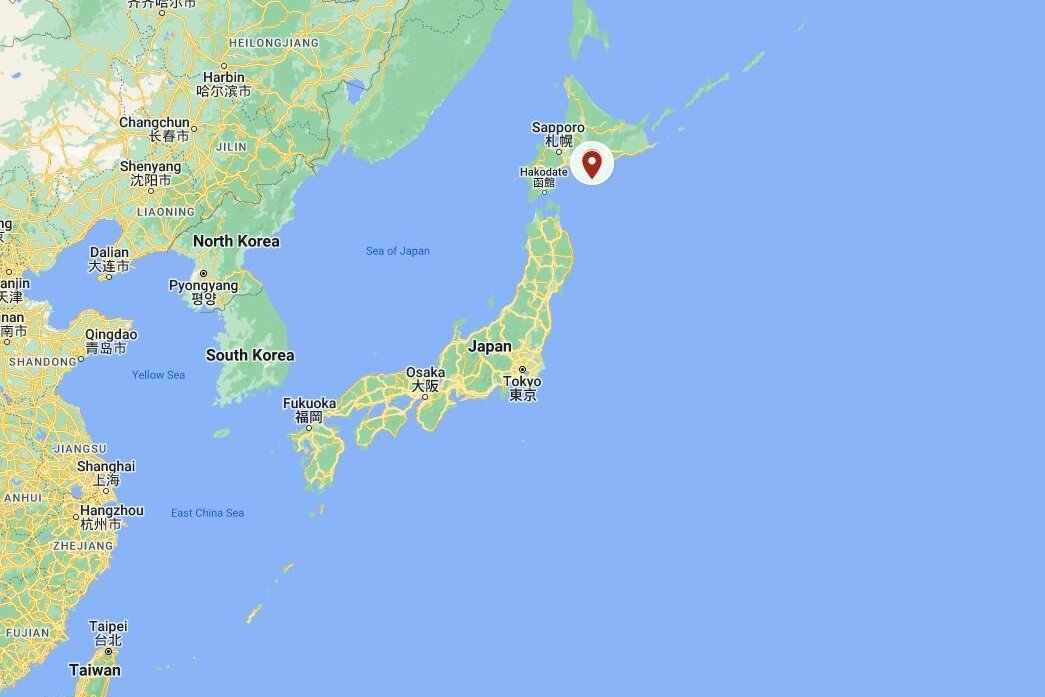
A 6.2 magnitude earthquake struck Hokkaido, Japan, this morning, without any tsunami warning issued. The earthquake occurred at 5:24 AM local time, with its epicenter located in the Tokachi region at a depth of 83 kilometers.
According to the Japan Meteorological Agency, the earthquake was recorded at a level of 5 out of 7 on the Japanese seismic intensity scale, indicating that individuals may have difficulty walking without support. So far, there have been no reports of injuries or fatalities resulting from the earthquake.
Details of the Event
This tremor comes a week after warnings issued by the Japan Meteorological Agency regarding an increased risk of strong earthquakes, following a 7.7 magnitude quake that struck Aomori Prefecture in northeastern Japan. Hokkaido was one of the regions included in those warnings, raising concerns about seismic activity in the area.
It is noteworthy that the earthquake that occurred today was initially estimated at a magnitude of 6.1, but this figure was later revised. Hokkaido Electric Power Company confirmed that there were no anomalies at the Tomari Nuclear Power Plant following the earthquake, reassuring residents about the safety of nuclear facilities.
Background & Context
Historically, Japan has experienced numerous powerful earthquakes, as the country is located on the Pacific Ring of Fire, an area known for its seismic activity. Earthquakes in Japan are not a new phenomenon, and some past quakes have resulted in significant damage and loss of life, prompting the Japanese government to invest heavily in early warning systems and earthquake-resistant infrastructure.
In recent years, concerns over earthquakes in Japan have increased, especially following the devastating earthquake in 2011 that led to the Fukushima nuclear disaster. These events have driven the government to enhance safety measures and preparedness for earthquakes.
Impact & Consequences
Earthquakes can have significant effects on Japan's economy and infrastructure. Although no injuries have been reported so far, earthquakes can disrupt daily life and increase costs for both the government and citizens in relief and recovery efforts.
Immediate earthquake response requires coordination among various government and private entities, which may impact economic activities in the region. Additionally, earthquakes may heighten public safety concerns, affecting tourism and investment in the area.
Regional Significance
While the earthquake in Japan may seem distant from the Arab region, natural events like this remind us of the importance of preparedness for natural disasters. Many Arab countries face natural hazards, such as floods and earthquakes, necessitating the development of effective strategies to address these challenges.
International cooperation in sharing information and expertise on disaster management can positively impact the ability of Arab nations to respond to natural disasters.