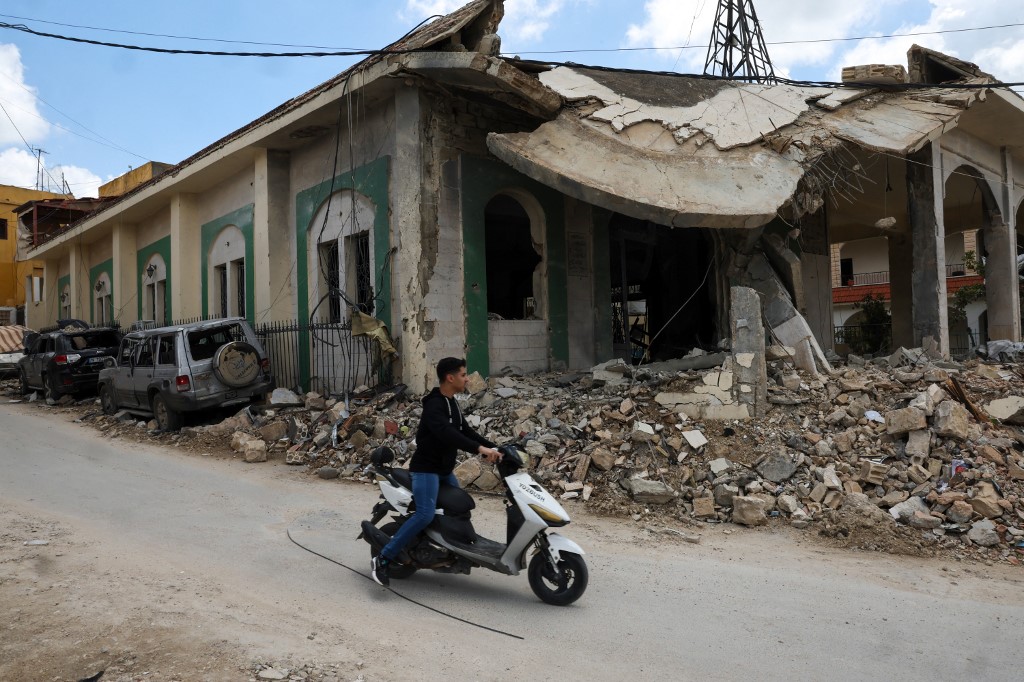
Thousands of families in southern Lebanon are facing displacement once again after having returned to their homes under a ceasefire agreement. Reports indicate that residents who had returned to their homes in the Tyre area received new evacuation orders, forcing them to leave their homes once more.
A local community leader in the Tyre area explained that approximately 75% of the population had returned to their homes before being forced to flee again. The report noted that civilians attempting to leave the area encountered severe traffic congestion when a missile struck a roadside café at one of the main roundabouts, resulting in at least one death and several injuries.
Details of the Situation
Reports indicate that many residents described the scenes as reminiscent of those witnessed in the early days of the war, as they fled with their limited belongings while violence continued despite the ceasefire. These events reflect a persistent state of instability in the region, where civilians live in fear and anticipation.
Concerns are growing among residents that the situation may deteriorate further, especially with increasing military pressures. As airstrikes continue, many find themselves forced to make difficult decisions about their future.
Background & Context
Historically, Lebanon has experienced periods of armed conflict and internal strife that have led to the displacement of many civilians. Since the outbreak of the recent conflict, memories of the humanitarian crises suffered by the Lebanese people in the past have resurfaced, as wars have caused many to lose their homes and lives.
The intertwining political and economic crises in Lebanon complicate the security situation, increasing the challenges faced by citizens. With mounting pressures on the Lebanese government, citizens find themselves confronting multiple challenges, including shortages of essential resources and services.
Impact & Consequences
Analyses suggest that the ongoing conflict in Lebanon may exacerbate humanitarian conditions, increasing the number of internally displaced persons. This situation could also affect regional stability, as Lebanon serves as a crossroads for various regional and international powers.
Furthermore, the rising number of displaced individuals may place additional pressures on neighboring countries, necessitating an urgent international response to assist those affected. Under these circumstances, it becomes crucial to enhance humanitarian efforts to provide the necessary support to impacted civilians.
Regional Significance
The unfolding events highlight the recurring humanitarian crises in Lebanon and their impact on civilians. As the situation continues to evolve, the need for international attention and intervention becomes increasingly pressing.
In conclusion, the plight of displaced civilians in Lebanon serves as a stark reminder of the ongoing struggles faced by the population, underscoring the importance of sustained humanitarian support and international cooperation.