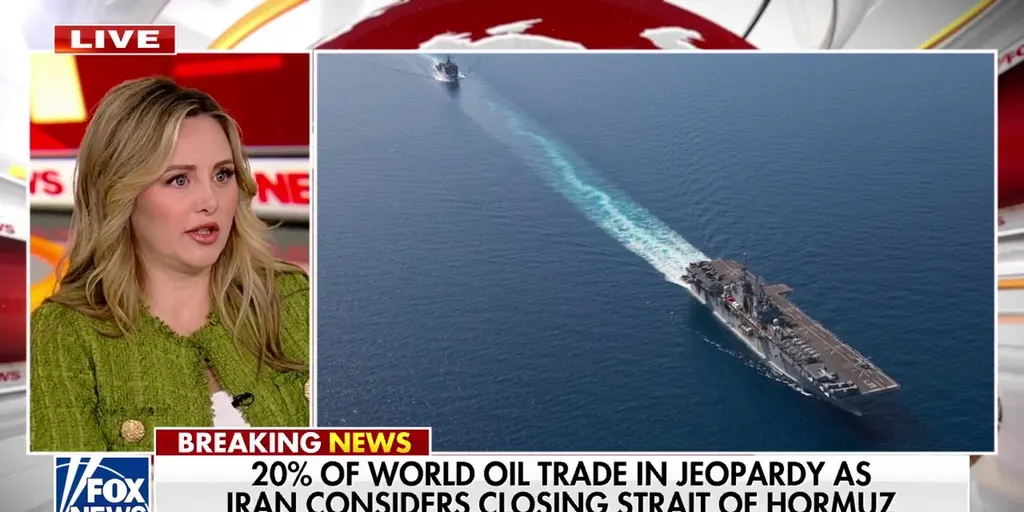
Iran has recently proposed the urgent opening of the Hormuz Strait and a halt to military operations, with nuclear negotiations postponed to a later stage. This proposal was presented to the United States through intermediaries, including Pakistan, at a time when diplomatic relations are complicated due to Iran's nuclear program.
According to media reports, the Iranian proposal includes an extension of the ceasefire for a long or permanent period, with discussions about the nuclear program commencing only after the strait is opened and restrictions are lifted.
Details of the Proposal
Sources indicate that the White House has received the Iranian proposal but has not yet clarified whether it is prepared to respond. For its part, the U.S. administration has confirmed its intention to maintain pressure on Tehran, with President Donald Trump stating that he prefers the continuation of maritime sanctions against Iran.
Trump noted that Iran is facing increasing internal pressures, stating that it has only "three days" before these pressures escalate. Simultaneously, diplomatic efforts have intensified, with Iranian Foreign Minister Abbas Araghchi engaging in talks with his counterparts in Pakistan and Oman regarding the situation in the Hormuz Strait.
Background & Context
The Hormuz Strait is considered one of the most critical waterways in the world, through which a significant percentage of global oil exports pass. Historically, this region has witnessed numerous tensions between Iran and Western countries, particularly the United States, due to Iran's nuclear program.
In April, a round of negotiations took place in Islamabad, but those talks did not yield tangible results. However, Pakistan successfully mediated an agreement for a two-week ceasefire, which was later extended.
Impact & Consequences
If the Iranian proposal is accepted, it could lead to a de-escalation of tensions in the region, potentially contributing to the stabilization of global oil markets. However, the question remains whether the United States will accept Iran's terms, especially concerning its nuclear program.
The current tensions may affect relations between Iran and neighboring Arab countries, as concerns about escalating conflict persist. If negotiations continue positively, this could lead to improved relations between Iran and Western countries, positively reflecting on regional security.
Regional Significance
Arab countries neighboring the Hormuz Strait, such as the UAE and Saudi Arabia, are among the most affected by tensions in this region. Any escalation in conflict could adversely impact oil exports and increase energy prices, which would reflect negatively on the Arab economy as a whole.
If an agreement is reached, it could lead to greater stability in the region, contributing to enhanced economic cooperation between Arab countries and Iran.
The Iranian proposal to open the Hormuz Strait and cease hostilities represents an important step toward de-escalating tensions, but the future of nuclear negotiations remains uncertain. Continuous diplomatic efforts are required to ensure peace and stability in the region.