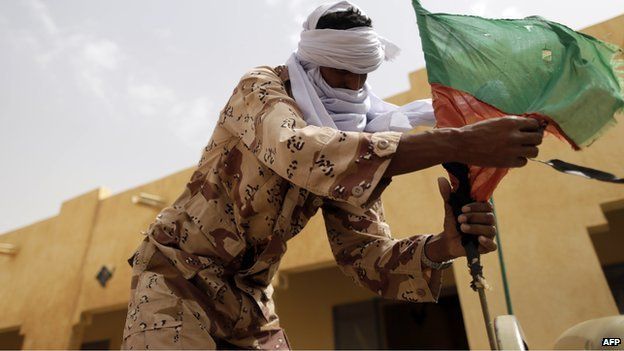
Mali is experiencing a deteriorating security situation after rebel groups seized control of the city of Kidal, leading to heightened tensions in the northern part of the country. These events come at a sensitive time, as the nation has been grappling with ongoing internal conflicts for years.
Kidal is considered one of the strategic cities in northern Mali and has been a center of conflict between the government and armed groups. The capture of the city reflects the strength of the rebels and their challenge to government authorities, further complicating the security situation in the region.
Details of the Event
Reports indicate that the rebels managed to take control of Kidal after violent clashes with government forces. This takeover follows a period of increasing tensions between the government and armed groups, which have been demanding autonomy in northern Mali. These events have highlighted the government's weakness in managing the security situation, raising fears of escalating conflict.
These developments coincide with a rise in violence in other parts of the country, where armed groups continue to launch attacks on government forces and civilians. The situation in Mali has become more complex with increasing external interventions, making it harder to find a lasting solution to the conflict.
Background & Context
Historically, Mali has faced multiple conflicts since 2012 when a rebellion broke out in the north, leading to international military intervention. Despite efforts to achieve peace, the security situation remains fragile. Armed groups in the north exploit the political and economic chaos to further their objectives.
Kidal is an important cultural center for Tuareg tribes and has witnessed numerous conflicts over the years. The rebels' control over the city reflects the ethnic and political tensions plaguing the country, complicating peace efforts.
Impact & Consequences
The events in Kidal significantly impact the security situation in Mali and may lead to an escalation of conflict in other areas. The capture of the city could encourage other armed groups to carry out similar attacks, increasing instability in the country.
Moreover, the deteriorating situation in Mali could affect neighboring countries, as the repercussions of the conflict may spill over. This raises concerns for the international community, which seeks to support peace and stability efforts in the region.
Regional Significance
The developments in Mali pose a challenge to regional security, potentially leading to increased tensions in the Sahel countries. The deteriorating security situation may impact counter-terrorism efforts in the region, necessitating greater international cooperation.
Additionally, the humanitarian crises resulting from the conflict could lead to an influx of refugees into neighboring countries, increasing pressure on these nations. The current situation requires an urgent response from the international community to ensure regional stability.