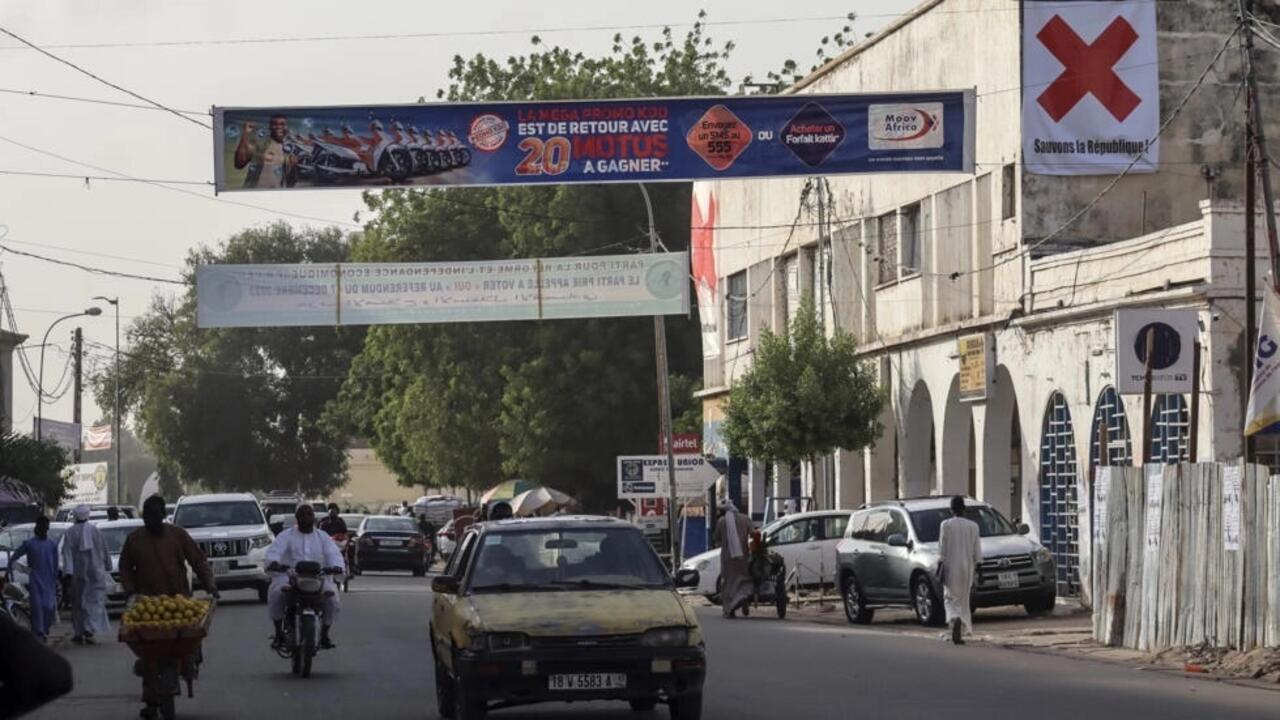
Violent clashes between two ethnic groups in the city of Giredia, Eastern Chad, have resulted in at least 42 fatalities, according to a government official on Sunday. These confrontations, which occurred on Saturday, stemmed from a dispute over a water well, reflecting the escalating tensions in an area plagued by historical conflicts between farmers and herders.
In the aftermath of the clashes, ministers and senior local officials, including the army chief of staff, headed to the region in an attempt to regain control of the situation. The Deputy Prime Minister in charge of regional administration and decentralization, Lyman Mohammed, confirmed in a statement to state television that "the situation is under control," indicating government efforts to mitigate escalation.
Details of the Incident
The clashes in Giredia, a region that has witnessed recurring disputes between farmers and Arab nomadic herders, have exacerbated humanitarian conditions. The conflict over water resources, which is a crucial element in the lives of local communities, has intensified due to harsh climatic conditions and displacement caused by conflicts in neighboring Sudan.
Historically, Eastern Chad has experienced ongoing conflicts, with tensions between different ethnic groups leading to significant loss of life. According to estimates from the International Crisis Group, conflicts between farmers and herders have resulted in over 1,000 deaths and 2,000 injuries between 2021 and 2024, highlighting the urgent need for both international and local intervention to resolve these crises.
Background & Context
Ethnic conflicts in Chad are part of a long history of disputes that date back decades. These conflicts intersect with other factors such as poverty, climate change, and displacement caused by wars in neighboring countries like Sudan. The war in Sudan has led to large waves of displacement, increasing pressure on the limited resources in Eastern Chad.
Local communities are significantly affected by these conflicts, suffering from food insecurity and a lack of essential resources. The Chadian government faces considerable challenges in managing these crises, necessitating effective strategies to address ethnic conflicts and promote peace and stability in the region.
Impact & Consequences
The repercussions of these clashes could be far-reaching, potentially worsening humanitarian conditions and increasing displacement. The continuation of these conflicts may also affect political stability in Chad, complicating development efforts in the region.
These circumstances require an urgent response from the international community, as humanitarian interventions may be necessary to alleviate the suffering of affected populations. It is also crucial to promote dialogue among different groups to prevent further escalation.
Regional Significance
The events in Eastern Chad are part of a larger picture of conflicts in the Sahel and Sahara regions, where ethnic disputes intersect with humanitarian and political crises. The potential impact of these clashes could extend to neighboring countries, necessitating greater attention from Arab nations and the international community.
In light of these circumstances, Arab countries should closely monitor the situation in Chad, as stability in this region affects overall regional security. Enhancing cooperation among Arab nations could contribute to finding effective solutions to these crises.