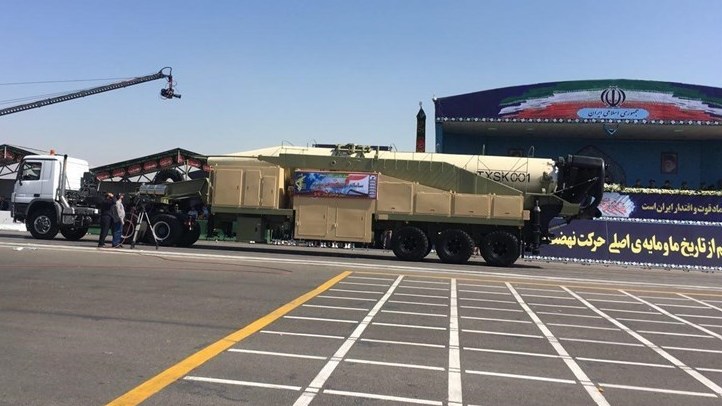
Iran recently showcased a range of its intercontinental ballistic missiles during a military parade, eliciting mixed reactions regionally and internationally. This move comes at a sensitive time as tensions in the region escalate, particularly with ongoing conflicts in the Middle East and increasing international pressure on Tehran.
This display is part of Iran's strategy to bolster its military strength and demonstrate its capability to respond to any potential threats. The missiles were showcased as part of the celebrations marking the anniversary of the establishment of the Iranian Revolutionary Guard, reflecting the significance of this military institution in Iranian politics.
Details of the Event
During the parade, advanced missiles capable of reaching distant targets were displayed, showcasing a notable advancement in Iranian military technology. Iranian military leaders indicated that these missiles serve as a strong deterrent against any potential aggressions from hostile nations, particularly the United States and Israel.
At the same time, this display raised concerns among many countries in the region, as some governments viewed Iran's actions as an attempt to expand its military influence, which could lead to heightened tensions in the Middle East. Several Arab nations expressed fears that these missiles could be used in regional conflicts, further increasing instability.
Background & Context
Historically, Iran has always sought to enhance its military capabilities as a means of defending its sovereignty. Since the Islamic Revolution in 1979, Iran has pursued an independent military policy, making it one of the key regional powers in the Middle East. However, its nuclear program and missile development have raised alarms within the international community, resulting in economic sanctions against the country.
In recent years, tensions between Iran and the United States have escalated, particularly following Washington's withdrawal from the nuclear deal in 2018. This has led to a surge in hostile rhetoric between the two sides, making the region increasingly tense. Additionally, conflicts in Syria, Iraq, and Yemen have complicated the regional situation further.
Impact & Consequences
This move by Iran is seen as a challenge to international pressures and could lead to escalating tensions in the region. Western nations, particularly the United States, are likely to respond by imposing further sanctions or increasing their military presence in the area. This display could also strengthen the position of hardliners within Iran who advocate for more aggressive actions against the West.
Moreover, this showcase may affect relations between Iran and Arab nations, as some countries might feel the need to enhance their military capabilities to counter potential threats. This could lead to an arms race in the region, further exacerbating instability.
Regional Significance
Iran's display of intercontinental ballistic missiles serves as a wake-up call for Arab nations, prompting them to reassess their security strategies. In light of increasing threats, some countries may seek to strengthen their military alliances with major powers, such as the United States, to ensure their security.
This situation may also foster greater cooperation among Arab nations to address shared security challenges. However, any escalation in tensions could worsen existing crises in the region, negatively impacting regional stability.
In conclusion, the question remains as to how the international community will respond to this Iranian move and whether it will lead to changes in regional and international policies towards Iran.