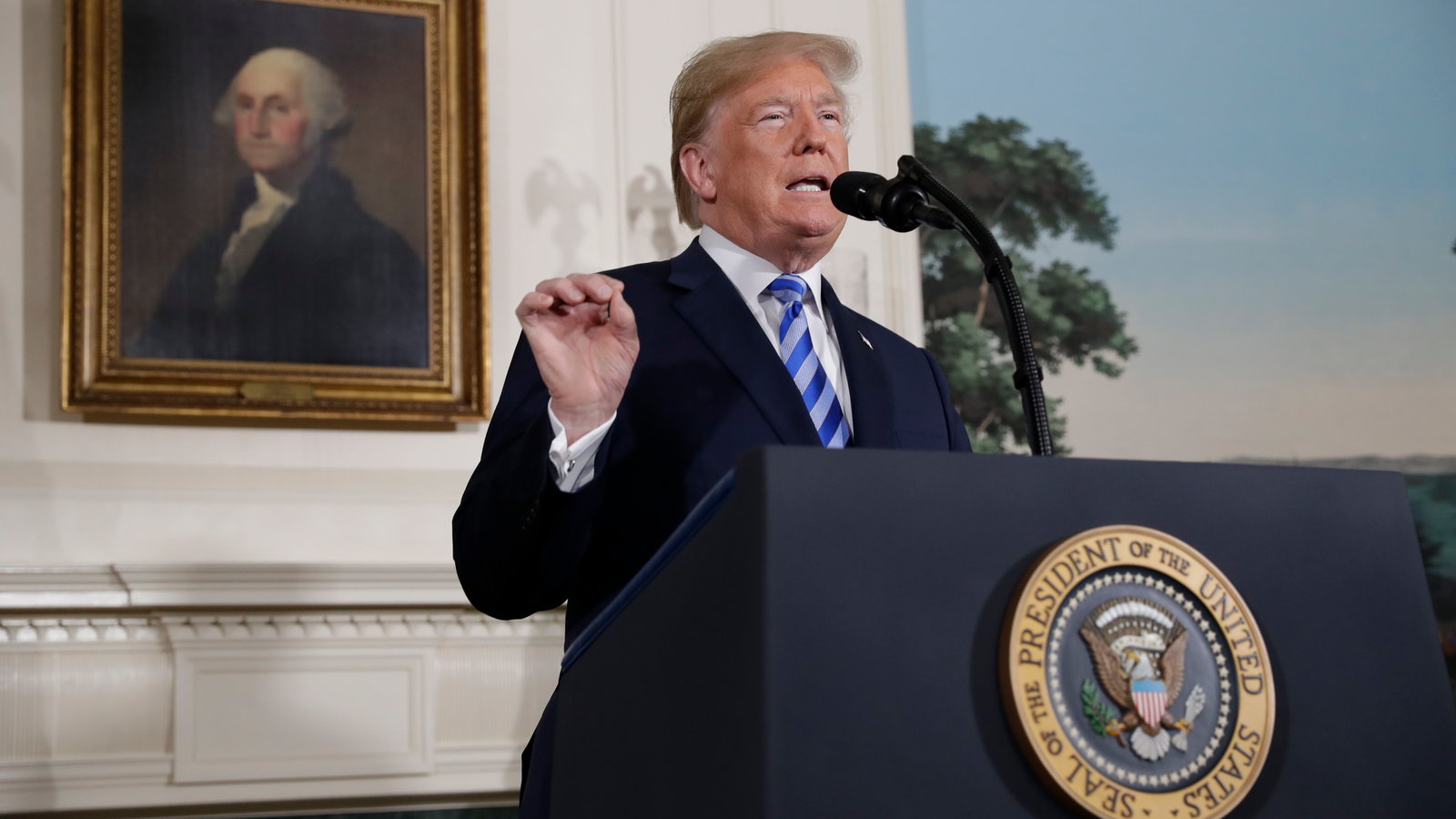
The diplomatic pressure exerted by U.S. President Donald Trump on Iran is intensifying, as he seeks to compel Tehran to abandon its nuclear program. In contrast, Iran refuses to back down on uranium enrichment, escalating tensions between the two sides.
These statements come at a critical time, as relations between the United States and Iran are noticeably deteriorating. Trump, aiming for diplomatic achievements ahead of the upcoming presidential elections, is urging his European allies to join his stance against Iran.
Details of the Situation
Recently, Trump announced a new set of sanctions against Iran, targeting vital sectors such as oil and gas. These sanctions aim to diminish Iran's ability to finance its nuclear program, which the West considers a threat to regional and international security.
On the other hand, Iran has confirmed that it will continue to enrich uranium, asserting that this right is guaranteed under international agreements. Iranian officials have stated that they will not concede their nuclear rights, complicating negotiations further.
Background & Context
The roots of these tensions date back to 2015 when the nuclear agreement was reached between Iran and major powers. However, in 2018, the United States withdrew from the agreement and reinstated sanctions, leading to an escalation of tensions. Since then, the region has witnessed numerous events that have heightened the conflict, including attacks on oil facilities in Saudi Arabia and targeting of vessels in the Gulf.
Iran maintains that its nuclear program is peaceful and that it seeks to use nuclear energy for civilian purposes. Nevertheless, Western concerns about the potential military diversion of this program persist, increasing pressure on Tehran.
Impact & Consequences
This pressure could lead to heightened tensions in the region, as Iran may resort to escalatory measures in response to the sanctions. Some experts have warned that any escalation could result in open military conflict, significantly impacting regional security.
Furthermore, the continued U.S. pressure may affect the Iranian economy, which is already suffering from the repercussions of previous sanctions. This could exacerbate humanitarian conditions in the country, raising concerns within the international community.
Regional Significance
These developments are particularly significant for Arab countries, as they could impact the overall stability of the region. Gulf states, in particular, are closely monitoring the situation, fearing that any escalation could destabilize security in the Gulf.
Additionally, tensions between the United States and Iran could affect relations between Arab states and Iran, increasing divisions in the region. Under these circumstances, the need for dialogue and negotiation remains essential to avoid escalation.
The U.S. diplomatic pressure on Iran and Iran's insistence on uranium enrichment pose a significant challenge to regional security. The current situation requires effective diplomatic action to prevent any escalation that could lead to open conflict.