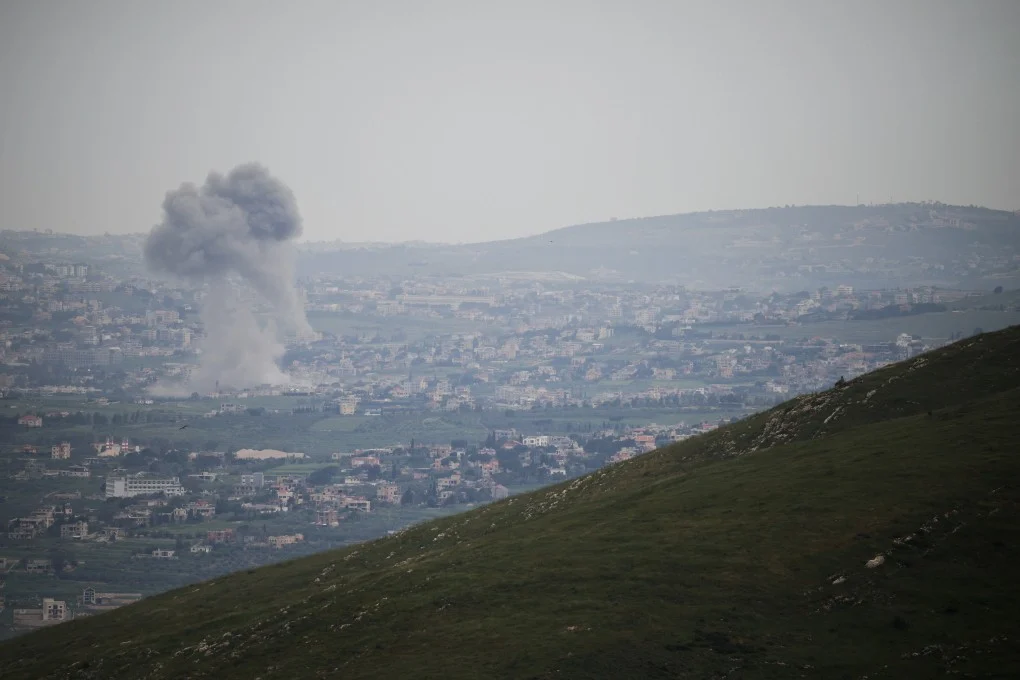
The Lebanese Ministry of Health has confirmed that Israeli airstrikes targeting areas in southern Lebanon on Sunday resulted in the deaths of 14 individuals, making this day the most lethal since the ceasefire in the conflict between Israel and Hezbollah took effect. These developments occur as both sides exchange accusations regarding breaches of the ceasefire, with Israeli Prime Minister Benjamin Netanyahu asserting that the military is intensively targeting Hezbollah.
Amid rising tensions, Hezbollah has vowed to respond to what it describes as Israeli "violations," further complicating the security situation in the region. Recent days have seen a notable escalation in military operations from both sides, raising concerns about the potential collapse of the ceasefire.
Details of the Airstrikes
Israeli airstrikes continue to hit various locations in southern Lebanon, focusing on sites believed to be associated with Hezbollah. Local sources have reported widespread destruction of infrastructure alongside human casualties. These strikes are part of an Israeli strategy aimed at undermining Hezbollah's capacity to carry out any military operations against it.
On the other hand, Hezbollah has reiterated its commitment to retaliate against any aggressions, heightening the atmosphere of tension in the area. The Lebanese-Israeli border has witnessed intensified military movements from both sides, raising fears of a larger escalation that could lead to a full-scale armed conflict.
Background & Context
Historically, relations between Israel and Hezbollah have been fraught with ongoing tensions, with several wars erupting between the two parties, the most recent being in 2006. Since then, multiple attempts have been made to reach ceasefire agreements, but conditions often deteriorate due to persistent disagreements.
The current ceasefire was established following significant military escalation, with fears that it could lead to a new war. However, the ongoing violations from both sides raise questions about the durability of this ceasefire and its ability to withstand military escalation.
Impact & Consequences
The recent events in Lebanon serve as a wake-up call for the international community, indicating that the situation in the region remains fragile. Military escalation could have serious implications for regional security and may draw other countries into the conflict. Additionally, the continuation of fighting could adversely affect the humanitarian situation in Lebanon, which is already grappling with economic and social crises, complicating humanitarian conditions in the country.
The potential for further conflict poses risks not only to Lebanon but also to neighboring countries, as the repercussions of military actions can spill over borders, affecting stability across the region.
Regional Significance
The ongoing tensions between Israel and Hezbollah are not just a local issue; they have broader implications for Middle Eastern stability. The potential for a renewed conflict could disrupt the already fragile balance in the region, prompting international responses and interventions.
In conclusion, the situation remains precarious, and the international community must closely monitor developments to prevent further escalation and to address the humanitarian needs arising from the conflict.