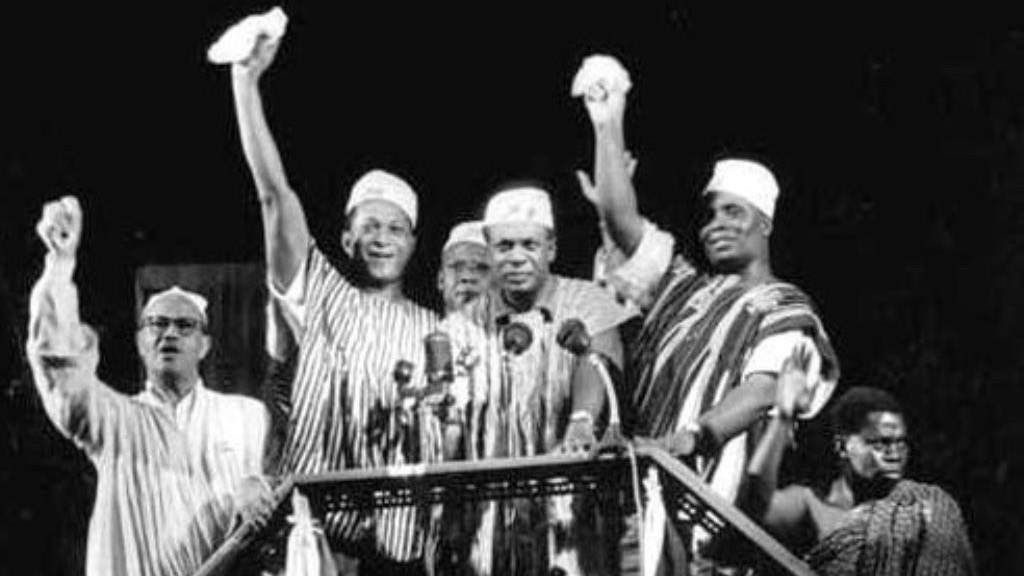
On this day, April 27, 1972, Ghanaian leader Kwame Nkrumah passed away, marking the loss of one of the most significant figures in Ghana and Africa's history. Nkrumah, who became the first president of Ghana after its independence from British colonial rule in 1957, was a symbol of the struggle for freedom and national liberation.
During his presidency, Nkrumah focused on enhancing Ghanaian national identity and developing the economy through ambitious developmental programs. He also played a prominent role in supporting liberation movements in other African countries, making him a pivotal figure in the continent's history.
Details of the Event
Nkrumah died in the Ghanaian capital, Accra, after a long battle with illness. His death left a profound impact on the hearts of Ghanaians, who regard him as the founder of modern Ghana. A formal funeral was organized, attended by numerous African leaders who expressed their respect and appreciation for his achievements.
Despite the political and economic challenges he faced during his rule, Nkrumah managed to achieve notable successes in education, health, and infrastructure, contributing to the improved living standards of many citizens.
Background & Context
Born on September 21, 1909, Kwame Nkrumah studied in the United States before returning to Ghana to become a political activist. In 1949, he founded the Convention People's Party, which led the struggle for independence. After independence, Nkrumah adopted a policy of non-alignment, attempting to build relationships with both the East and the West.
During his presidency, Nkrumah faced criticism for his authoritarian style of governance; however, many believe he was striving for development and stability in his country. After being overthrown in a military coup in 1966, Nkrumah lived in exile until his death.
Impact & Consequences
Nkrumah's death marked a turning point in Ghana's history, leading to significant political changes. Following his departure, the country experienced a series of military coups and political unrest. Nevertheless, Nkrumah's legacy remains present in the collective memory of the Ghanaian people, who celebrate him as a symbol of the struggle for freedom.
His influence extended beyond Ghana's borders, as his vision inspired many African leaders in liberation movements. His ideas also contributed to the formation of the African unity movement, which sought to enhance cooperation among African nations.
Regional Significance
Although Nkrumah did not have a direct impact on the Arab world, his ideas on liberation and development influenced many political movements in the region. Numerous Arab leaders drew inspiration from his experience in the fight for independence, which helped foster national spirit in their countries.
Nkrumah was also an advocate for solidarity among developing nations, reflecting the importance of cooperation between Arab and African countries in facing common challenges.
The memory of Kwame Nkrumah remains alive in the hearts of many, as he is regarded as a symbol of freedom and the struggle for social justice. His legacy continues to inspire new generations of leaders and citizens around the world.