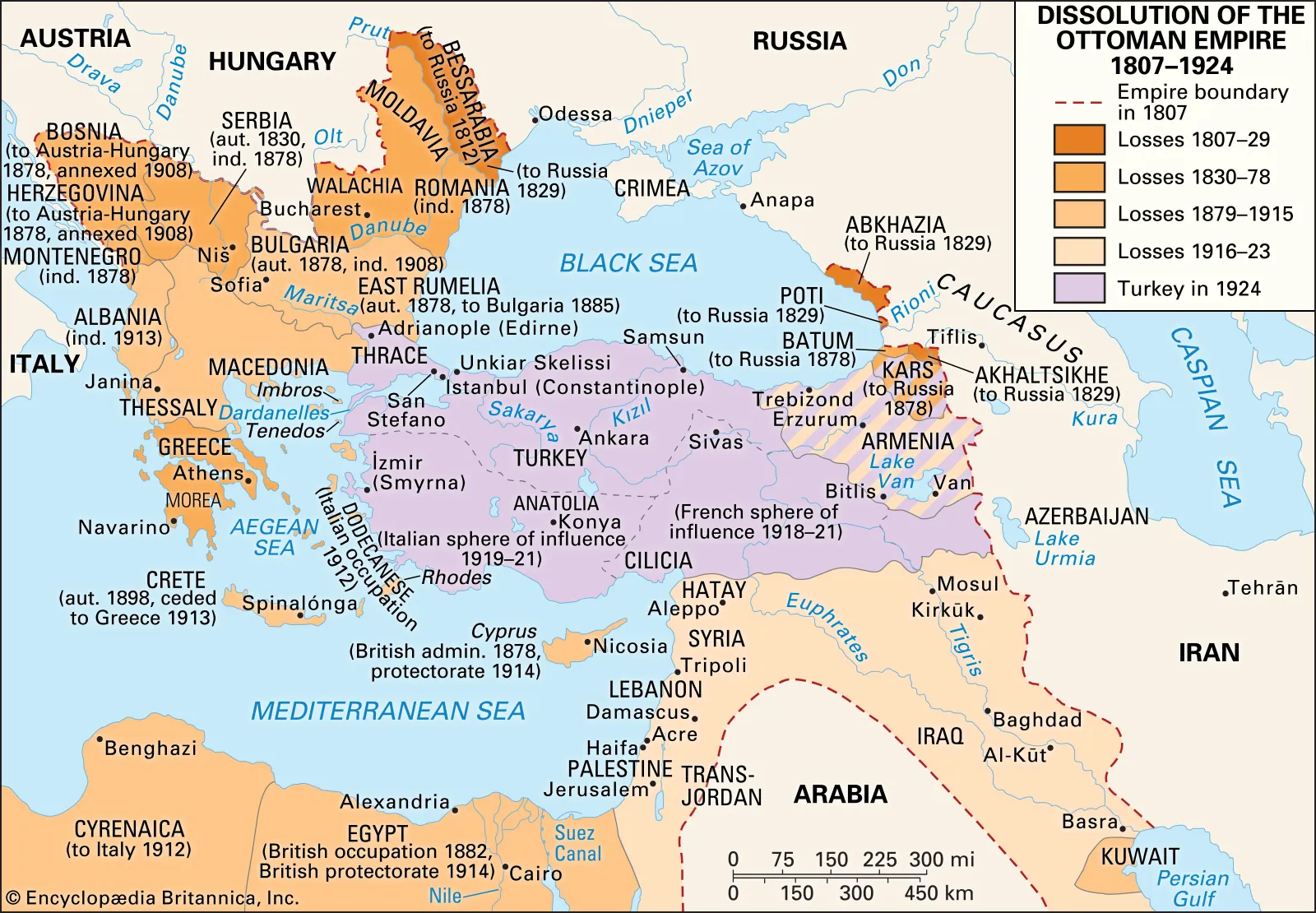
On this day, April 27, 1909, the Ottoman Empire witnessed a significant historical event with the deposition of Sultan Abdulhamid II, who had ruled since 1876. This decision came after a period of political tensions and public protests that erupted due to the policies implemented by the Sultan, which many political factions deemed ineffective.
Sultan Abdulhamid II, known for his attempts to maintain the sultanate in the face of internal and external challenges, faced fierce opposition from the Young Ottoman movement, which sought political and social reforms. This led to a surge in protests in 1908, culminating in the restoration of the Ottoman Constitution.
Details of the Event
The deposition of Sultan Abdulhamid II followed a series of rapid events, where young officers in the Ottoman army, known as the "Young Turks," orchestrated a military coup. On April 24, 1909, the General Assembly issued a decree to depose the Sultan, resulting in his removal from power and the appointment of Mehmed V as his successor. This change marked a turning point in the history of the Ottoman Empire.
Sultan Abdulhamid II, often referred to as the "Red Sultan" due to his repressive policies, attempted to resist the pressures by consolidating his authority, but he could not withstand the Young Turk movement that demanded freedom and justice. After his deposition, he was exiled to Thessaloniki, where he spent the remainder of his life away from power.
Background & Context
Historically, the Ottoman Empire was undergoing a period of political and economic turmoil, facing challenges from European powers that sought to undermine its authority. Under Abdulhamid II's rule, the empire experienced a decline in its influence, leading to widespread corruption and mismanagement.
The Young Ottoman movement, which emerged in the late 19th century, aimed for comprehensive reforms within the state. They succeeded in achieving some of their goals after the Sultan's deposition, as the constitution was reinstated and a parliamentary system was established, contributing to enhanced political participation.
Impact & Consequences
The deposition of Abdulhamid II had a profound impact on the trajectory of the Ottoman Empire. It strengthened the Young Turk movement, which continued to push for reforms. It also increased political awareness among citizens, leading to the emergence of national movements in various Ottoman regions.
Despite the successes of the Young Turks, internal tensions persisted, exacerbating the political and economic crises that ultimately led to the collapse of the Ottoman Empire after World War I.
Regional Significance
The deposition of Sultan Abdulhamid II had direct repercussions on the Arab region. Many Arab countries witnessed national movements demanding independence from Ottoman rule. This event also contributed to the strengthening of national identity among Arabs, as they began to demand their political and social rights.
Furthermore, this change in governance led to increased foreign interventions in Arab affairs, as European powers sought to exploit the situation for their own interests. This had long-term implications for the relationships between Arab nations and the Ottoman Empire.
In conclusion, the deposition of Sultan Abdulhamid II represents a pivotal event in the history of the Ottoman Empire, highlighting internal tensions and the desire for change. It also had deep implications for the Arab region, contributing to the shaping of its political and social future.