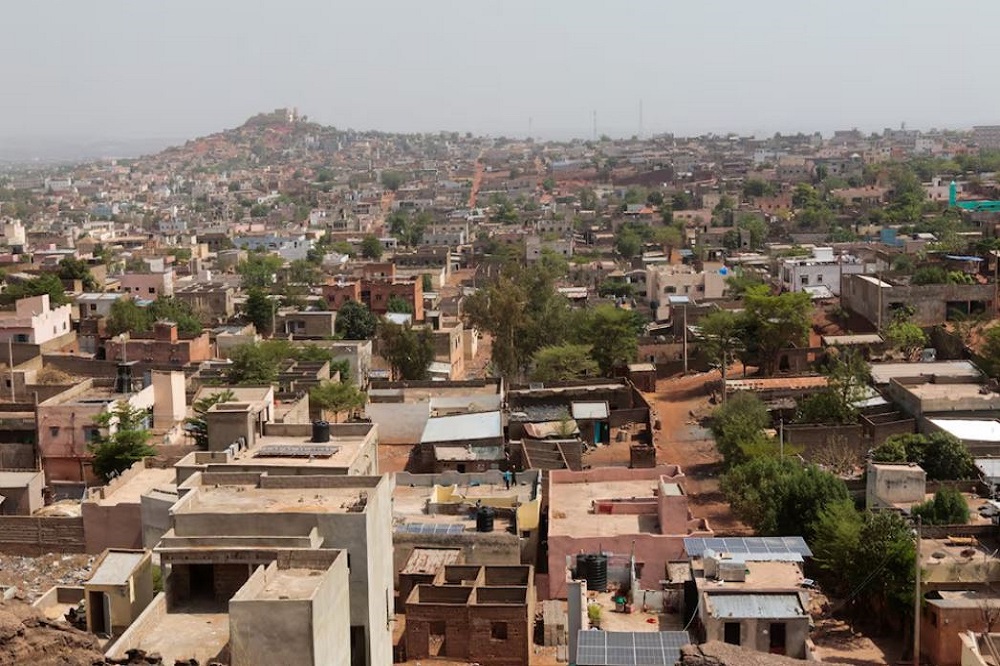
On April 25 and 26, Mali witnessed coordinated attacks on buses heading to the capital Bamako, carried out by the Group for the Support of Islam and Muslims, which is linked to Al-Qaeda, along with the Azawad Liberation Front, primarily composed of Tuaregs. These attacks occur at a time when the country is suffering from a state of political and security instability, with a noticeable increase in terrorist activities.
The attacks targeting the transport buses resulted in loss of life and significantly affected transportation between cities. Reports indicated that the extremists employed advanced methods in executing the attacks, raising concerns about the Malian government's ability to control the security situation.
Details of the Incident
In the days following the attacks, additional forces were deployed in the affected areas as the government seeks to regain control over the main roads connecting Bamako to the rest of the country. Local sources confirmed that the attacks were well-planned, targeting the buses during peak hours, which led to numerous casualties.
These attacks are part of a rising tide of violence in the African Sahel region, where terrorist activities have significantly increased. Reports have shown that armed groups are exploiting the political and security chaos in the country to carry out their operations.
Background & Context
Historically, Mali has experienced numerous political and security crises, with military coups and internal conflicts leading to widespread violence. Since 2012, terrorist activities have escalated in the northern part of the country, prompting international intervention through multiple military missions.
The Group for the Support of Islam and Muslims is considered one of the most prominent extremist groups in the region, aiming to impose its radical vision on Malian society. In contrast, the Malian government faces significant challenges in combating these groups, especially given the weak security infrastructure.
Impact & Consequences
These attacks directly affect civilian life, as fears of travel and movement between cities have increased. Moreover, the rise in violence could exacerbate humanitarian crises in the country, where many residents suffer from shortages of food and healthcare.
Furthermore, these events may impact foreign investments in Mali, as companies may hesitate to enter a market plagued by instability. The deteriorating security situation could also enhance the opportunities for terrorist groups to carry out more attacks.
Regional Significance
The situation in Mali is part of a broader landscape in the African Sahel region, where increasing terrorist activities threaten regional security. These developments could affect neighboring countries, necessitating greater coordination among governments to address security challenges.
Additionally, the rise in violence in Mali may encourage extremist groups in other parts of the Arab world, calling for a coordinated response from Arab nations to tackle this phenomenon.
In conclusion, the situation in Mali requires urgent international attention, as the continuation of violence could worsen humanitarian and political crises in the country. It is essential for regional and international countries to cooperate in addressing the security challenges facing Mali.