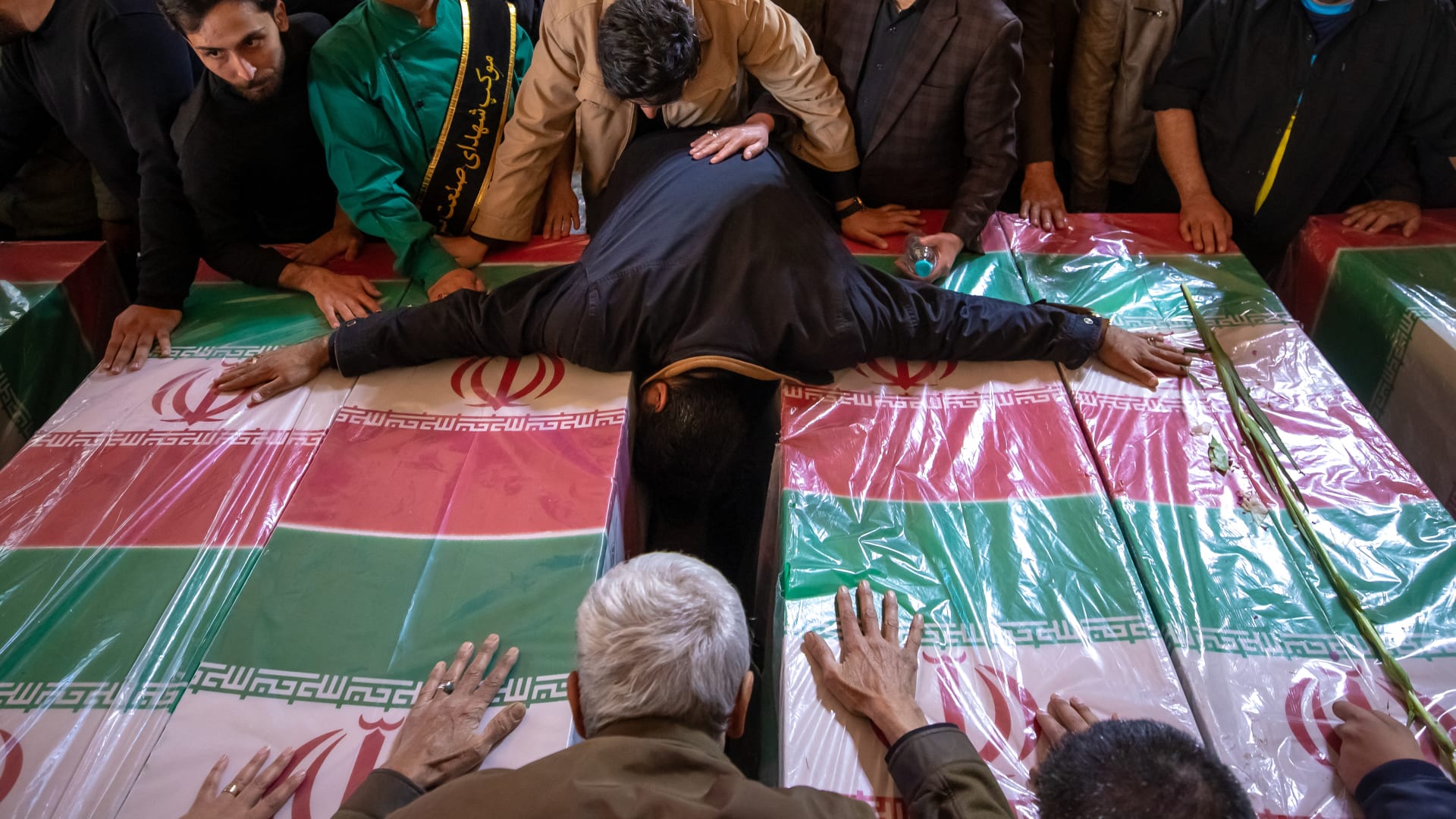
Recent consecutive attacks in Iraq have resulted in the deaths of 16 members of the Popular Mobilization Forces and 6 Kurdish Peshmerga fighters, marking one of the deadliest incidents since the onset of the American-Israeli war against Iran. The Popular Mobilization Forces have accused the United States of executing the attack that targeted their headquarters in Anbar province, where the commander of Anbar operations, Saad Al-Baiji, and several of his companions were killed.
Simultaneously, the Kurdistan Regional Government confirmed that the two attacks targeting Peshmerga forces were carried out using Iranian ballistic missiles, further escalating tensions in the region. These events come at a sensitive time, with fears rising over the potential for increased violence in Iraq due to ongoing regional conflicts.
Details of the Incident
A source from the Anbar police command reported that the attacks also injured 22 other members of the Popular Mobilization Forces. The Popular Mobilization Forces confirmed in a statement that the attack was a result of an American airstrike targeting their command center while they were performing their national duty. Additionally, the headquarters of the head of the Popular Mobilization Forces, Faleh Al-Fayyad, in Mosul was also targeted, although he was not present at the time.
In a related context, the Ministry of Peshmerga confirmed that the two attacks on its forces in Erbil province resulted in the deaths of 6 personnel and injuries to 30 others. The ministry noted that the attack was conducted with 6 Iranian ballistic missiles, describing it as a hostile and treacherous act.
Background & Context
The Popular Mobilization Forces were established in 2014 as an alliance of factions to combat the Islamic State, and since then, they have become part of the Iraqi military establishment. With the escalation of regional tensions, the headquarters of the Popular Mobilization Forces and armed Iraqi factions have been subjected to several airstrikes attributed to the United States and Israel, while Iraqi factions target American interests in Iraq. Iran is also conducting strikes against opposing Kurdish groups in the north of the country.
Anbar province is the largest province in Iraq by area, with a majority Sunni population. It is a strategic area bordering Syria, Jordan, and Saudi Arabia, making it a launch point for many military operations.
Impact & Consequences
Concerns are growing that these attacks could lead to a greater escalation of violence in Iraq, with the Popular Mobilization Forces urging political powers to take clear stances to protect the country's sovereignty. The Commander-in-Chief of the Armed Forces, Prime Minister Mohammed Shia' Al-Sudani, emphasized the need for an emergency meeting of the National Security Council to discuss the implications of these attacks.
The escalation of violence in Iraq could exacerbate humanitarian conditions and increase the suffering of civilians, who are already enduring the effects of ongoing conflicts. These events may also affect relations between Iraq and neighboring countries, especially amid tensions between Iran and the United States.
Regional Significance
These events signal increasing tensions in the region, as regional and international powers seek to enhance their influence in Iraq. The escalation of violence could impact Iraq's stability and complicate the situation in the region, necessitating greater international attention.
In conclusion, the situation in Iraq remains tense, with ongoing attacks and reciprocal responses between various powers. The need for comprehensive dialogue and understanding among the concerned parties has become more urgent than ever.