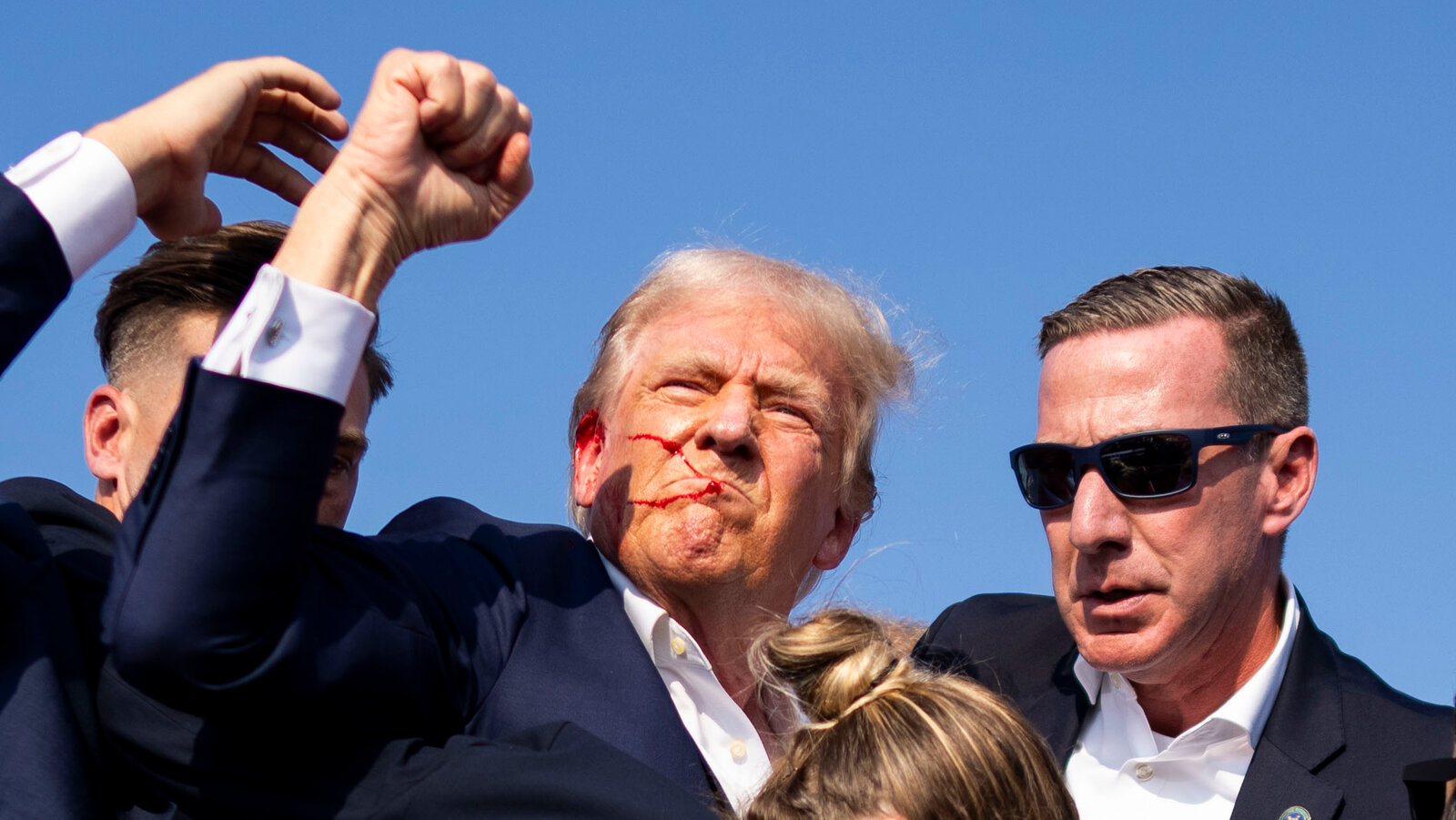
In a widely concerning incident, a man accused of shooting during a White House Correspondents' dinner criticized the policies of U.S. President Donald Trump. Messages sent to family members just minutes before the attack indicated that he referred to himself as a 'friendly federal killer,' reflecting his increasing political motivations.
Authorities believe that the attack, which took place at a dinner event, aimed to highlight his opposition to Trump's policies, raising questions about the impact of political rhetoric on individual behavior. Preliminary investigations revealed that the accused had clear political intentions, which heightens the seriousness of the situation.
Details of the Incident
The attack occurred at a sensitive time, gathering prominent figures from journalism and politics. The accused opened fire in a charged atmosphere, leading to panic among attendees. Local authorities confirmed they are working to accurately determine the perpetrator's motives, focusing on the messages sent prior to the attack.
Reports indicate that the accused had expressed anti-Trump sentiments, reflecting the rising political tensions in the United States. Some analysts noted that this incident could be a direct result of the increasing hate speech prevalent in the political arena.
Background & Context
Historically, the United States has witnessed several political assassination attempts, but this incident comes at a time of sharp division within the country. Since Trump's presidency began, the intensity of political discourse has escalated, creating a charged environment. Social media has contributed to the spread of extremist ideas, potentially influencing individual behavior.
This incident also arises amid growing concerns about the personal safety of politicians and journalists, as threats have become part of the daily political landscape. Previous studies have shown that aggressive political discourse can lead to acts of violence.
Impact & Consequences
This incident raises questions about how political rhetoric influences individual behavior and may place additional pressure on the Trump administration. Furthermore, the event could lead to calls for enhanced security at public events, which may impact freedom of expression and assembly.
Moreover, this incident could deepen the divide between Trump supporters and opponents, potentially widening the political gap in the country. It may have implications for upcoming elections, as some voters might feel apprehensive about political violence.
Regional Significance
This incident holds particular importance for the Arab region, where many countries closely monitor events in the United States. Political tensions in the U.S. could affect international relations, including those with Arab nations.
The incident may also spark discussions about how political rhetoric impacts situations in Arab countries, which have experienced similar instances of political violence. This event serves as a reminder of the importance of peaceful political dialogue.
In conclusion, this incident underscores the necessity of addressing political issues responsibly and avoiding rhetoric that could lead to violence. There must be a greater awareness of the importance of dialogue and understanding among different parties.