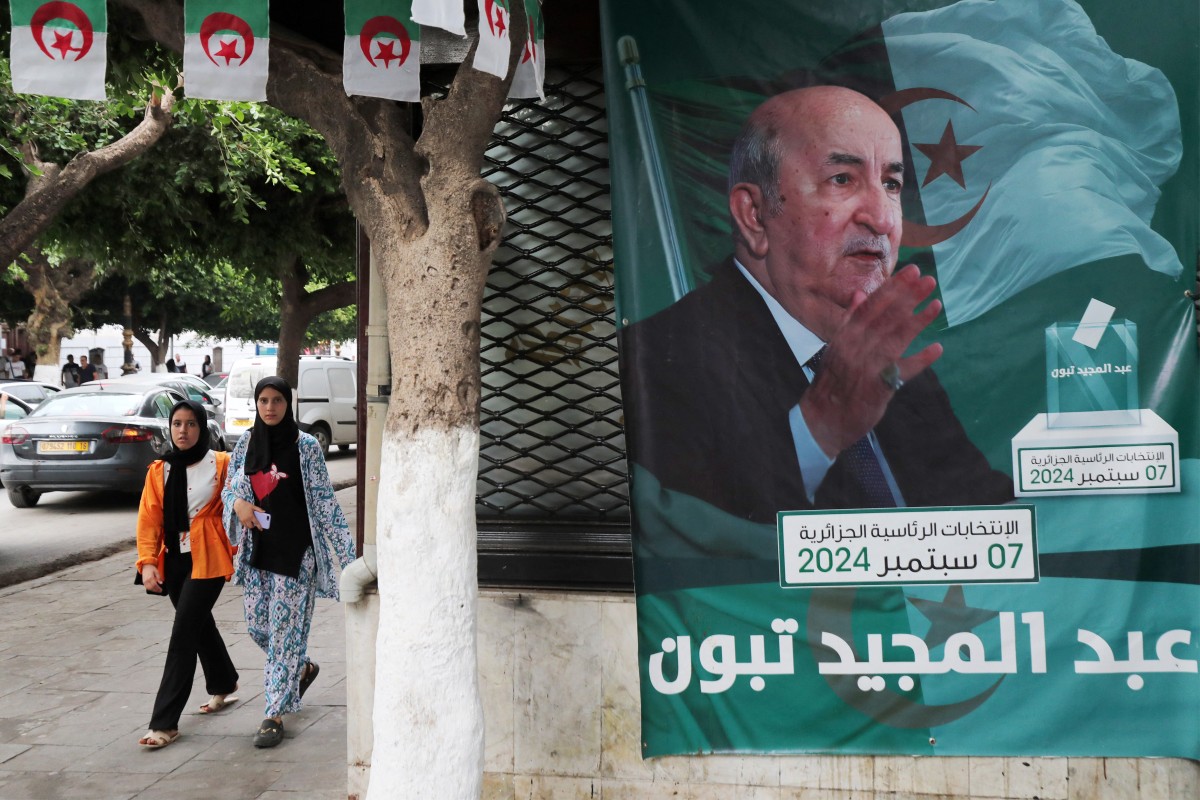
Algeria is gearing up for a significant electoral event, the parliamentary elections set for next summer. In this context, political parties are working to align their strategies with public aspirations and the requirements of electoral law, in an effort to ensure positive outcomes.
There is increasing pressure on parties to meet the needs of citizens and fulfill their aspirations, especially given the economic and social conditions the country is experiencing. This necessitates that parties present electoral programs that resonate with the people's expectations, highlighting the importance of effective communication with voters.
Event Details
Preparations are accelerating across various Algerian parties, with election campaigns starting early. Parties aim to form electoral lists that reflect the diversity of Algerian society and meet the needs of all segments of the population. This includes a focus on social and economic issues that matter to voters, such as unemployment, education, and health.
Parties are also seeking to attract young voters, who represent a large segment of the electorate, by offering innovative programs that focus on improving job opportunities and enhancing education. There is also a growing interest in environmental issues and sustainable development, reflecting an increasing awareness among voters.
Background & Context
These elections come amid sensitive political circumstances, as Algeria has witnessed significant changes in recent years. Following the popular movement that began in 2019, which led to the resignation of former President Abdelaziz Bouteflika, the Algerian people are striving for further political and social reforms.
Historically, parliamentary elections in Algeria have faced numerous challenges, including allegations of fraud and lack of transparency. Therefore, these elections represent an opportunity for parties to prove their worth and gain the trust of voters by committing to principles of transparency and integrity.
Impact & Consequences
If parties succeed in achieving positive results, these elections could contribute to enhancing political stability in the country. They may also lead to improved relations between the government and citizens, thereby increasing trust in political institutions.
On the other hand, if parties fail to meet voter expectations, this could exacerbate public frustration and lead to increased protests. Thus, the outcomes of these elections will have significant implications for Algeria's political and social future.
Regional Significance
The Algerian elections are an important event not only for Algeria but for the entire Arab region. The success of the democratic experience in Algeria could encourage other countries to adopt similar political reforms, thereby enhancing stability in the region.
Moreover, the Algerian elections could serve as a model for how to address popular demands and achieve reforms, contributing to the strengthening of democracy in the Arab world.
In conclusion, the upcoming Algerian elections represent a historic opportunity for political parties to rebuild trust with voters and fulfill the aspirations of the people. Everyone is looking forward to the results of these elections and the changes they will bring to the Algerian political landscape.