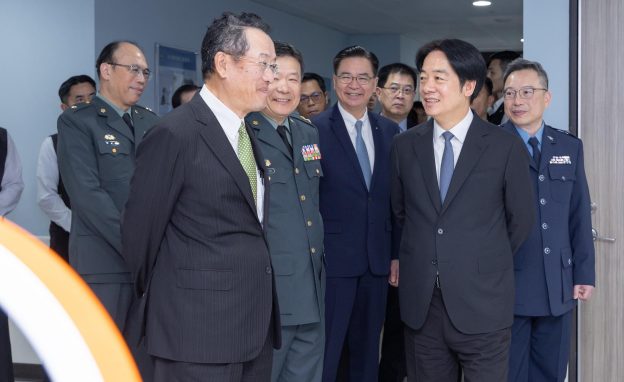
On Monday, Taiwan's Defense Minister Wellington Koo affirmed that the sanctions imposed by China on seven European companies due to arms sales to Taiwan will not affect the island's ability to secure its defense needs. These remarks followed China's Ministry of Commerce announcing a ban on the export of dual-use goods to these companies, placing them on an export control list.
This move is considered rare, as China targets European firms due to their defense ties with Taiwan, reflecting ongoing tensions between Beijing and Taipei. Taiwan, which China views as part of its territory, heavily relies on the United States for arms procurement, with Europe having not sold any significant military equipment to Taiwan for nearly three decades.
Details of the Event
During a parliamentary session, Koo noted that this is not the first time China has taken such actions, emphasizing that Taiwan has the capability to secure its arms needs through various channels. However, the minister did not provide additional details on how this would be achieved.
It is important to highlight that many countries, especially in Europe, are concerned about defense cooperation with Taiwan due to fears of Chinese backlash. Nevertheless, Taiwan has started to receive increasing support from some Central and Eastern European nations, particularly following Russia's invasion of Ukraine in 2022.
Background & Context
Historically, relations between Taiwan and China have been strained, as Beijing seeks to reunify the island with the mainland. Recent years have seen a rise in tensions, particularly after the United States enhanced its support for Taiwan, provoking anger from China. Chinese sanctions on major American companies over arms sales to Taiwan are not new, with similar sanctions imposed last December following the U.S. announcement of an $11 billion arms package for Taiwan.
These sanctions are part of China's strategy to pressure countries cooperating with Taiwan, but they also reflect the challenges Beijing faces in trying to limit Western influence in the region. At the same time, Taiwan is striving to enhance its defense capabilities amid increasing threats from China.
Impact & Consequences
Chinese sanctions could escalate tensions between Beijing and European nations, as European companies may hesitate to collaborate with Taiwan out of fear of Chinese retaliation. This could impact trade relations between China and these countries, placing them in a difficult position.
On the other hand, these sanctions may push Taiwan to seek new sources of arms, potentially strengthening its relationships with other countries in the region, including the United States. Additionally, they could lead to increased European support for Taiwan, especially in light of the geopolitical changes in the region.
Regional Significance
Considering the situation in the Arab region, the rising tensions between China and Taiwan may impact Arab relations with China, particularly in trade and investment sectors. Arab nations may seek to maintain a balance in their relations with both parties, reflecting the importance of diplomacy in addressing these issues.
Ultimately, this development is part of the broader struggle between major powers, as both the United States and China aim to enhance their influence in the region. Arab countries must be aware of these dynamics and work to promote their interests amid these changes.