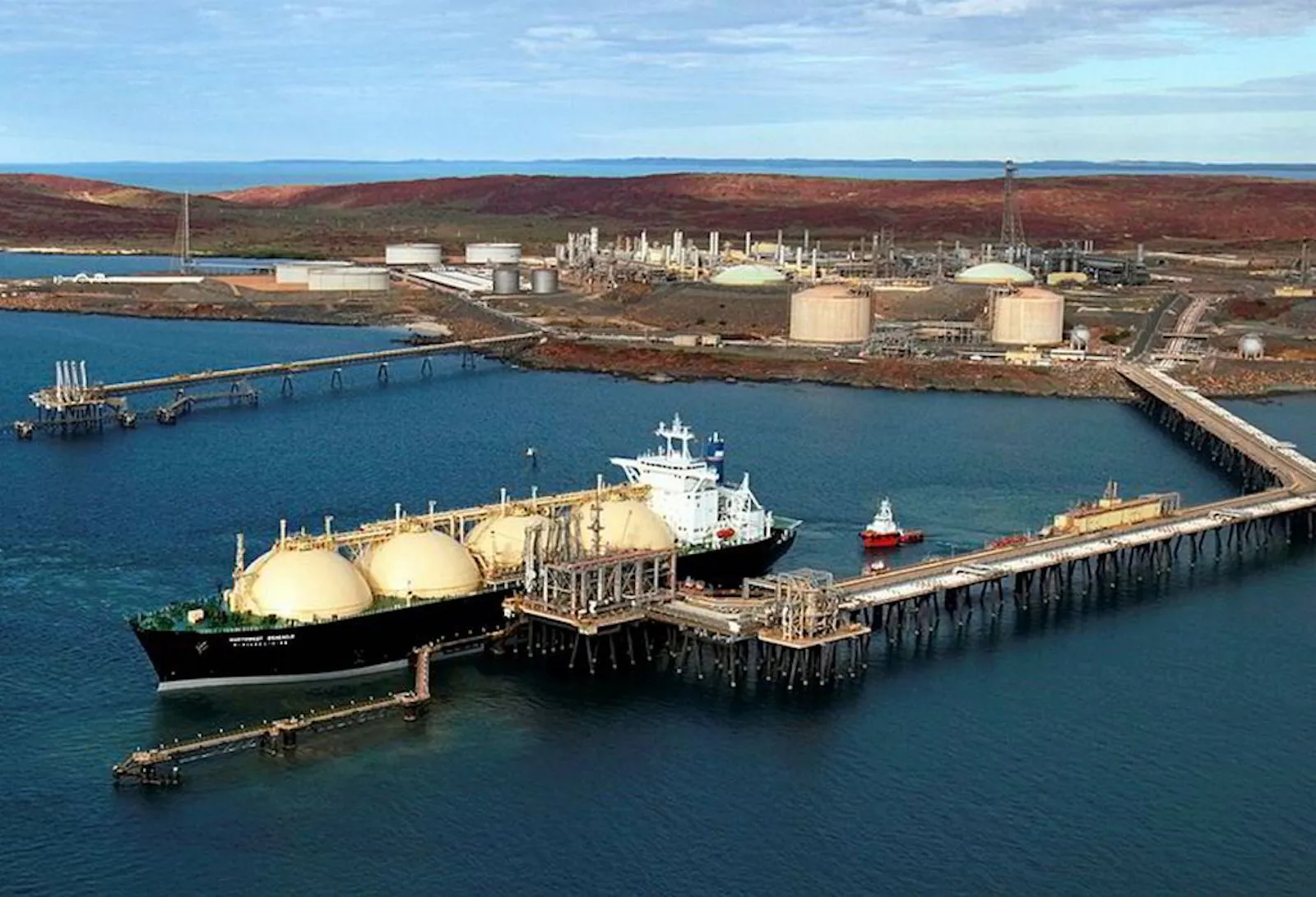
Australia aims to capitalize on its substantial liquefied natural gas exports to Asia to secure fuel supplies amid shortages caused by the war in Iran. This initiative comes at a critical time when the demand for alternative energy sources is rising due to geopolitical tensions affecting global energy markets.
Reports indicate that the Australian government is working to strengthen its trade relations with Asian countries, particularly those that rely on natural gas as a primary energy source. This approach reflects Australia’s strategy to enhance its role as a major energy supplier in the region, contributing to the stability of fuel supplies.
Details of the Initiative
Australia, considered one of the largest exporters of liquefied natural gas in the world, is moving to boost its exports to Asian markets. This comes amid challenges faced by gas-importing countries, especially with escalating tensions in the Middle East, which have led to fluctuations in energy prices and threats to fuel supplies.
The Australian government seeks to use this opportunity to secure the necessary fuel supplies for its domestic market, as the country faces energy shortages due to global crises. This step is part of a comprehensive strategy to enhance energy security in Australia, alongside supporting the local economy.
Background & Context
Historically, Australia has relied on its natural resource exports, including natural gas, to secure its position in global markets. With the increasing energy demand in Asia, particularly from China, Japan, and South Korea, Australia has become a key player in this sector. However, political and economic tensions in the Middle East, especially the war in Iran, have significantly impacted global energy markets.
In recent years, natural gas prices have experienced significant volatility, prompting importing countries to seek alternative sources. Australia, with its vast gas reserves, is now looking to seize this opportunity to enhance its exports and ensure sustainable supplies.
Impact & Consequences
This move by Australia is of great significance, as it could lead to changes in the dynamics of the energy market in Asia. If Australia can secure fuel supplies for Asian countries, it may enhance its position as a primary energy supplier, potentially affecting prices and competitiveness in the market.
Furthermore, this strategy could strengthen trade relations between Australia and Asian countries, contributing to greater economic stability in the region. However, the challenges Australia faces in securing its domestic supplies may impact its ability to meet the increasing demand from abroad.
Regional Significance
Amid current tensions in the Middle East, Australia’s strategy may affect Arab countries that export oil and gas. With the rising demand for natural gas in Asia, Arab nations may find themselves competing with Australia to secure new markets.
This trend could open new avenues for cooperation between Arab countries and Australia in the energy sector, contributing to enhanced energy security in the region. Additionally, strengthening trade relations could lead to new investment opportunities in the energy sector.
In conclusion, Australia seeks to leverage its strategic position and natural resources to enhance its role in global energy markets, which could significantly impact market dynamics and strengthen trade relations with Asian countries.