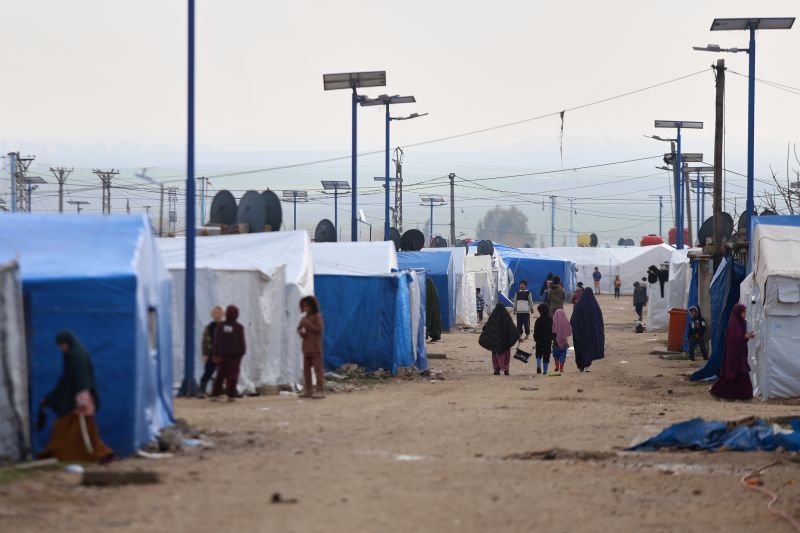
The Australian government has firmly rejected any support for the repatriation of its citizens in northeastern Syria who are suspected of being linked to ISIS. This decision reflects the Australian government's security approach in dealing with terrorism-related threats, as it aims to protect its national security from potential risks.
This move comes at a time when there is increasing pressure on Western governments to bring back their citizens who have joined terrorist organizations in conflict zones. The issue has sparked widespread debate in Australia, with some citizens advocating for the repatriation of these individuals, while others express concern over the security risks that may arise from such actions.
Details of the Decision
The Australian government has reported that it is closely monitoring the situation and is taking all necessary measures to ensure the safety of its citizens. The Australian Minister for Home Affairs indicated that the government is focused on enhancing domestic security and that the repatriation of these individuals could pose a threat to national security.
The minister also added that the government is working to provide support to the families of these individuals in Syria, but without bringing any of them back to Australian territory. This approach is part of Australia's counter-terrorism policy, which also includes strengthening cooperation with other countries in the field of security.
Background & Context
Historically, Australia has seen an increase in the number of citizens who joined ISIS in recent years. This has raised concerns within the government and society, as several cases have been recorded that led to the execution of terrorist operations within the country.
In recent years, the Australian government has implemented a series of strict measures to combat this phenomenon, including tightening laws related to terrorism and increasing surveillance on suspicious activities. Awareness and education programs to combat extremist ideologies have also been enhanced.
Impact & Consequences
The Australian government's decision to refuse the repatriation of its citizens linked to ISIS could impact international relations, especially with countries hosting these individuals. This decision may lead to heightened tensions between Australia and nations demanding the return of their citizens.
Moreover, this decision could evoke mixed reactions within Australian society, where some express support for the decision as a means of protecting security, while others view it as a violation of human rights. These dynamics may influence domestic politics in Australia in the future.
Regional Significance
This news is significant as it reflects the Australian government's stance on addressing security threats and highlights the challenges faced by Western governments in dealing with their citizens who have joined terrorist organizations. The implications of this decision may resonate beyond Australia, affecting diplomatic relations and security cooperation in the region.
In conclusion, Australia's refusal to repatriate its citizens linked to ISIS underscores the complexities of national security in a globalized world, where the balance between human rights and safety remains a contentious issue.