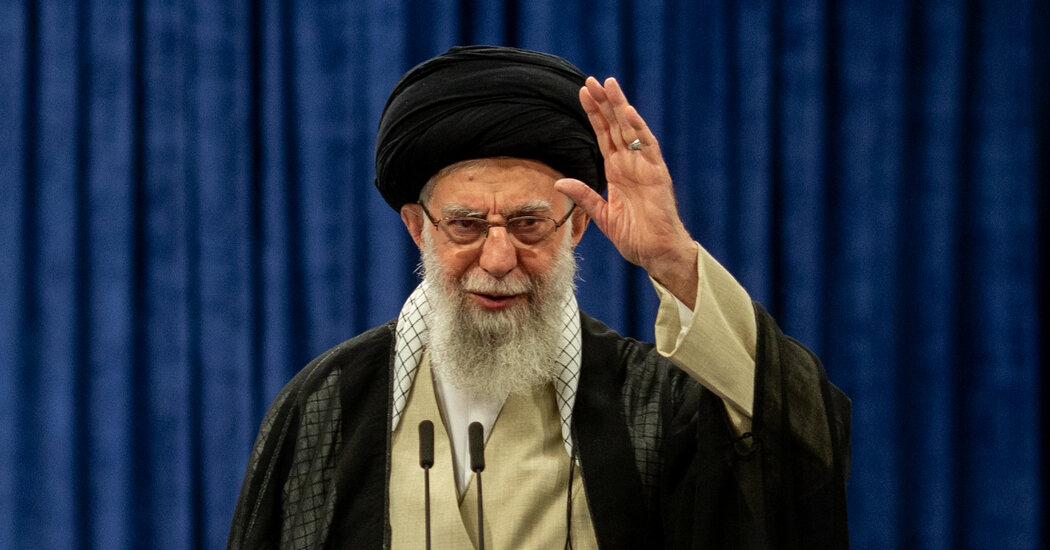
U.S. President Donald Trump stated on Saturday that there is confusion regarding who is in charge of leadership in Iran, indicating a lack of clarity about Iranian leadership. This announcement came after he canceled the visit of his envoys to Islamabad, where they were scheduled to hold a new round of negotiations.
This statement reflects the escalating tensions between the United States and Iran, as Trump seeks to clarify his administration's stance on developments in the region. The cancellation of the negotiations comes at a sensitive time, as there were hopes for potential progress in relations between the two countries.
Details of the Event
In his remarks, Trump pointed out that the situation in Iran is complex, and the absence of clear leadership could impact regional stability. The cancellation of the envoys' visit reflects a lack of confidence in reaching an agreement with Iran at this time.
The negotiations aimed to address multiple issues, including Iran's nuclear program and Tehran's support for armed groups in the region. However, Trump's recent statements suggest that the U.S. administration may be leaning towards a more hardline policy regarding Iran.
Background & Context
Historically, relations between the United States and Iran have seen increasing tensions since the Iranian revolution in 1979. The economic and political sanctions imposed by the U.S. on Iran have significantly impacted the Iranian economy, exacerbating internal conditions.
In recent years, the Trump administration attempted to reassess relations with Iran, but contradictory statements and shifting positions have made it challenging to reach a lasting agreement. The cancellation of the negotiations reflects the instability surrounding the diplomatic process.
Impact & Consequences
The cancellation of the negotiations could lead to heightened tensions between the United States and Iran, potentially affecting regional security. If matters continue in this direction, we may witness an increase in military activities in the region, threatening stability in neighboring countries.
Additionally, this situation may impact global oil prices, as any escalation in the region could lead to price increases due to concerns over supply disruptions. The strained relations could also affect U.S. allies in the region.
Regional Significance
For Arab countries, the rising tensions between the United States and Iran may raise new concerns. Many Arab nations rely on regional stability, and any escalation could lead to economic and security repercussions.
Moreover, instability in Iran could lead to an influx of refugees into neighboring countries, increasing the burdens on these nations. It is crucial for Arab states to remain vigilant regarding developments in U.S.-Iranian relations.
In conclusion, the situation in Iran remains a focal point for the world, as the uncertainty surrounding Iranian leadership could influence the future of international relations in the region. It is essential that diplomatic efforts continue to achieve peace and stability.