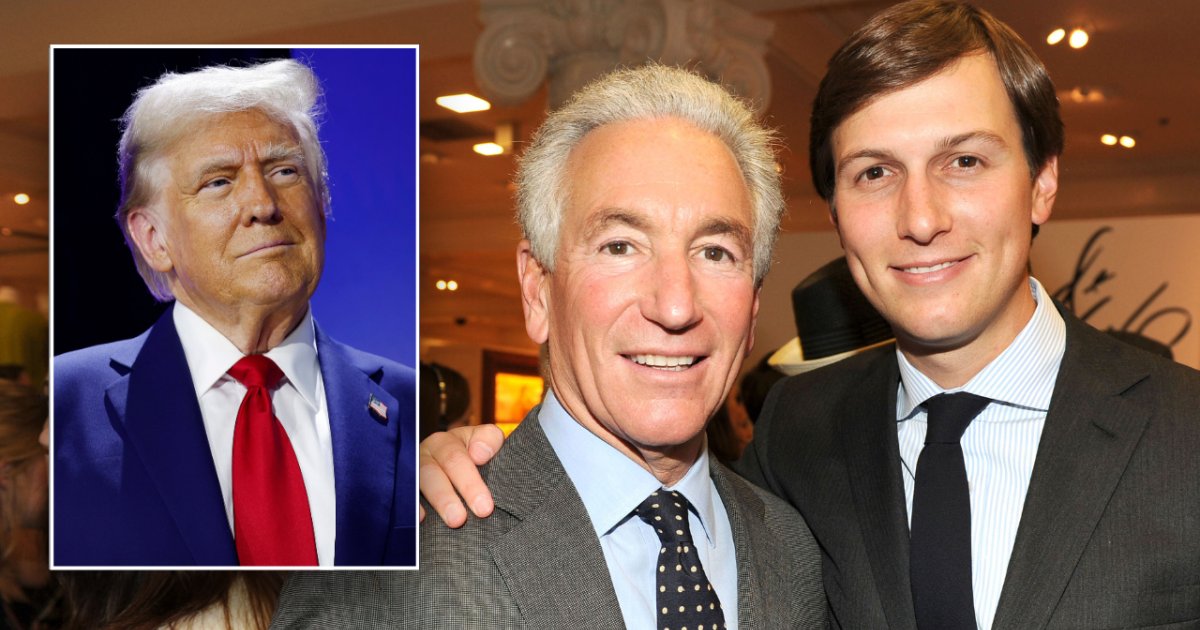
Former US President Donald Trump announced the cancellation of his advisors, Jason Whittaker and Jared Kushner, to Pakistan, explaining that the reason for this decision stems from the ongoing conflict among Iranian leadership. This move occurs at a time when the Middle East is experiencing heightened tensions, raising questions about its impact on regional and international relations.
In a television interview, Trump emphasized that the situation in Iran has become more complicated, and the conflict among various factions within the Iranian system directly affects the stability of the region. He noted that the visit aimed to strengthen relations with Pakistan; however, current circumstances were not favorable.
Details of the Event
At the time the visit was scheduled, Iran was witnessing internal conflicts among various political forces, leading to clear instability in the country. Trump clarified that these conditions made it difficult for the US administration to take effective diplomatic steps with Pakistan, which is considered a strategic ally in the region.
Trump also pointed out that the cancellation of the visit was a result of security concerns, as the situation in Iran could impact regional security, making it necessary to reassess diplomatic plans.
Background & Context
Historically, relations between the United States and Pakistan have fluctuated between cooperation and tension, especially amid political changes in the region. Recent years have seen a rise in tensions between Iran and the United States, affecting regional dynamics. The cancellation of Kushner and Whittaker's visit occurs within this context of rising tensions, as the US administration seeks to reevaluate its strategy in the Middle East.
Furthermore, the internal conflict in Iran reflects larger challenges facing the country, including popular protests and economic pressures. These factors complicate any US administration's ability to make diplomatic decisions without considering the internal Iranian situation.
Impact & Consequences
The cancellation of the visit may have broad implications for US-Pakistan relations, potentially leading to a decline in trust between allies. This decision could also affect peace efforts in the region, especially amid ongoing tensions between Iran and neighboring countries.
This decision may increase pressure on Pakistan to adopt more cautious positions towards Iran, which could influence its regional strategies. At the same time, the United States might reassess its policy towards Pakistan in light of these developments.
Regional Significance
The Arab region is directly affected by developments in Iran and Pakistan, as any escalation in tensions could lead to security and economic repercussions. Relations between Arab countries and Iran may witness new strains, particularly if internal conflicts in Iran persist.
Moreover, the cancellation of the visit could undermine US mediation efforts in regional disputes, complicating the situation in the Middle East. Under these circumstances, it becomes crucial for Arab countries to remain vigilant about developments and adopt effective strategies to address the increasing challenges.
In conclusion, the cancellation of Whittaker and Kushner's visit to Pakistan reflects the complexities of international politics in the Middle East and highlights the importance of understanding the internal dynamics of countries in shaping foreign policies.