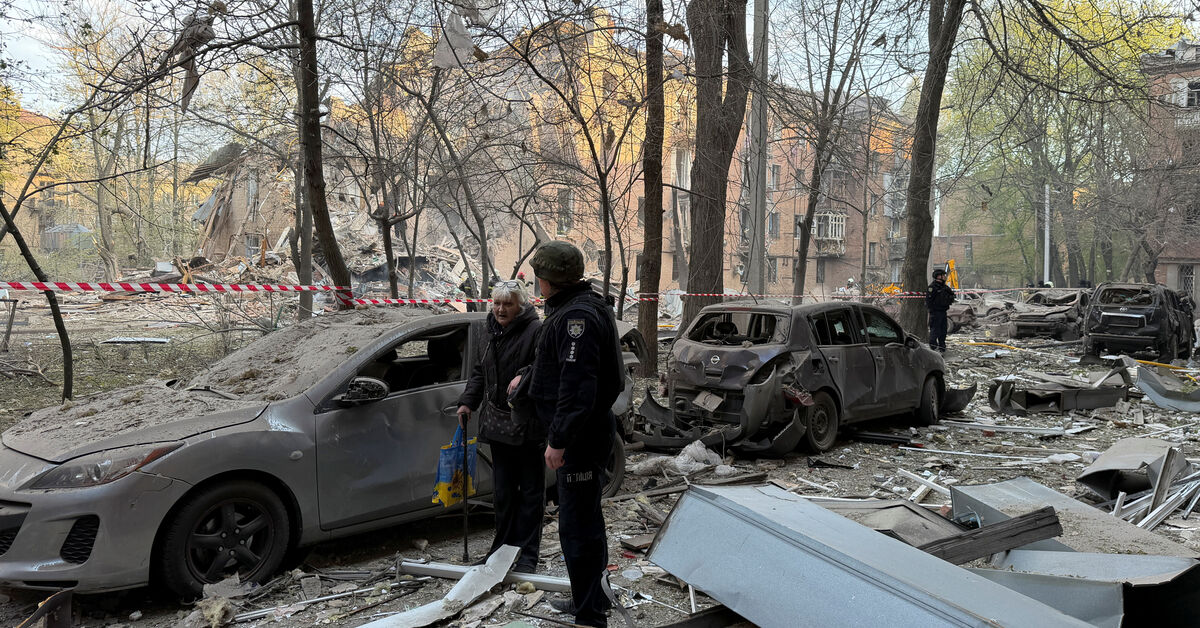
Russian forces have conducted violent attacks on the city of Dnipro, located in southeastern Ukraine, leading to the death of 10 individuals and injuring dozens more. The attacks, which took place on Saturday, included three separate bombardments using drones and missiles, escalating tensions in a region already suffering from the effects of ongoing war.
According to Oleksandr Honchar, the regional governor, eight people were confirmed dead and 49 others were injured in the city. Dnipro, which has been a recurring target since the onset of the conflict, experienced these attacks at a time when fighting between Russian and Ukrainian forces is intensifying.
Details of the Attacks
The assaults on Dnipro are not the first of their kind, as the city has faced several aggressions in past years. These attacks come at a sensitive moment, as Russian forces seek to gain new ground in the conflict that began in 2014. Reports indicate that the attacks were particularly focused on civilian areas, raising concerns about the safety of non-combatants in conflict zones.
Attacks on Dnipro continue amid rising tensions between Russia and Ukraine, with both sides striving to achieve their military objectives. The recent strikes suggest a new Russian strategy that may target major cities in Ukraine, complicating the humanitarian situation in the country.
Background & Context
Since the outbreak of the conflict in 2014, Ukraine has witnessed an escalation in military attacks by Russian forces, which began with the annexation of the Crimea and expanded to include other regions of the country. Dnipro, once an important industrial hub, has become one of the most affected cities by the conflict. The ongoing attacks on the city reflect the deteriorating situation in the war, with civilians increasingly suffering from the consequences of hostilities.
Historically, Dnipro has been an economic and cultural center in Ukraine, but the ongoing conflict has negatively impacted daily life. The recent attacks underscore the urgent need for the international community to intervene to protect civilians and provide humanitarian support.
Impact & Consequences
The repercussions of the attacks on Dnipro could be far-reaching, potentially leading to a greater escalation in the conflict. The Ukrainian government may find itself compelled to take more stringent actions against Russian forces, which could exacerbate the situation. Additionally, attacks on major cities could increase international pressure on Russia, possibly contributing to the imposition of new sanctions.
Furthermore, the assaults on Dnipro may affect the humanitarian situation in the country, as the number of displaced persons and refugees could rise due to military escalation. The humanitarian situation in Ukraine requires urgent attention from international organizations, especially in light of the increasing casualty figures.
Regional Significance
The Arab region is indirectly affected by the Ukrainian conflict, as the continuation of hostilities may impact energy prices and food resources. Many Arab countries rely on importing grains from Ukraine, and any escalation in the conflict could lead to supply shortages and rising prices.
Moreover, the situation in Ukraine could influence political relations in the region, as some countries may adopt varying stances based on their international alliances. It is crucial for Arab nations to remain vigilant regarding developments in Ukraine, as the impact may extend to multiple areas.