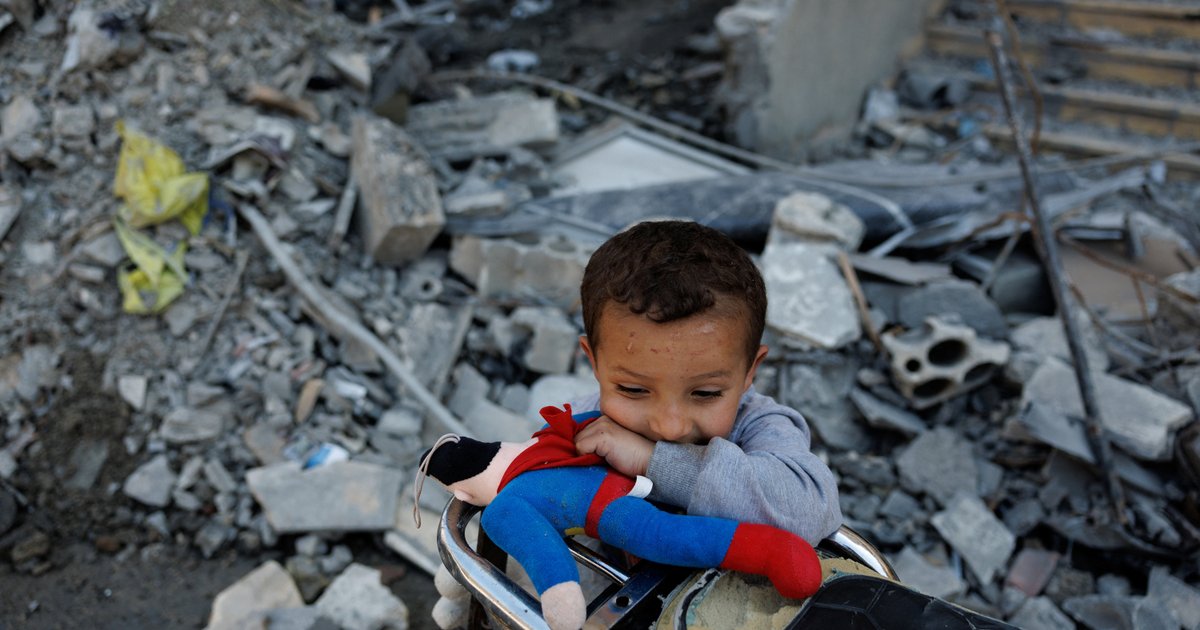
In a renewed military escalation, Lebanese media reported a series of Israeli airstrikes on several sites in southern Lebanon on Saturday, after Israeli Prime Minister Benjamin Netanyahu ordered attacks on Hezbollah. The strikes specifically targeted areas in Bint Jbeil, Sidon, and Naimeh, raising increasing concerns in the region.
The National News Agency of Lebanon, a government agency, confirmed that the strikes occurred in close succession, targeting a town in the Bint Jbeil area, as well as another town in the Sidon region, in addition to strikes on two towns in the Nabatieh area. The Israeli forces confirmed the execution of these strikes, indicating that they targeted Hezbollah infrastructure used for military purposes.
Details of the Airstrikes
These airstrikes come at a sensitive time, as tensions escalate between Israel and Hezbollah, which is considered one of the most prominent armed factions in Lebanon. Recently, the region has witnessed a surge in military activities, raising fears of a broader conflict. The latest strikes represent a new step in a series of attacks carried out by Israel against targets believed to be affiliated with Hezbollah, in an attempt to limit its military capabilities.
These events coincide with statements from Netanyahu emphasizing the need for strict measures against Hezbollah, which he views as a threat to Israeli national security. He indicated that the Israeli government would not hesitate to use military force if necessary.
Background & Context
Historically, the relationship between Lebanon and Israel has been marked by ongoing tensions, especially since the Israeli war on Lebanon in 2006. Since then, Hezbollah has become a key player in the political and military landscape of Lebanon, enjoying significant popular support. However, Israel considers Hezbollah a direct threat, leading to a continuous escalation in the conflict between the two sides.
It is noteworthy that the region has witnessed numerous wars and conflicts, making it an unstable area. The recent Israeli airstrikes come in the context of a long history of conflict, where each party seeks to strengthen its military and political positions.
Impact & Consequences
These airstrikes could lead to a greater escalation in the conflict between Israel and Hezbollah, threatening security and stability in Lebanon and the region as a whole. The military escalation could drag the region into a comprehensive conflict, especially if Hezbollah responds forcefully to these strikes. Additionally, this escalation may impact relations between Lebanon and other Arab countries, as positions may vary regarding the military escalation.
Furthermore, the military escalation could adversely affect the economic situation in Lebanon, which is already suffering from severe economic crises. Any military escalation could exacerbate humanitarian conditions in the country, increasing the suffering of citizens.
Regional Significance
The ongoing military tensions highlight the fragile security situation in the region and the potential for wider conflicts that could involve multiple actors. The international community is closely monitoring these developments, as they could have significant implications for regional stability and security.
In conclusion, the situation remains volatile, and the potential for further military actions raises alarms about the future of peace and stability in Lebanon and its neighboring countries.