The Iranian Revolutionary Guard confirmed on Saturday that controlling the Hormuz Strait, a vital passage for global oil and gas supplies, is a "firm strategy" for Tehran in its ongoing dispute with the United States. A statement from the Revolutionary Guard indicated that this control aims to maintain deterrent effects against America and its allies in the region.
The Iranian armed forces warned that they would respond forcefully if the United States continues its blockade of the Islamic Republic's ports, describing the actions of the U.S. military in the region as "theft" and "piracy." These remarks reflect the escalating tensions between Tehran and Washington under the current circumstances.
Details of the Event
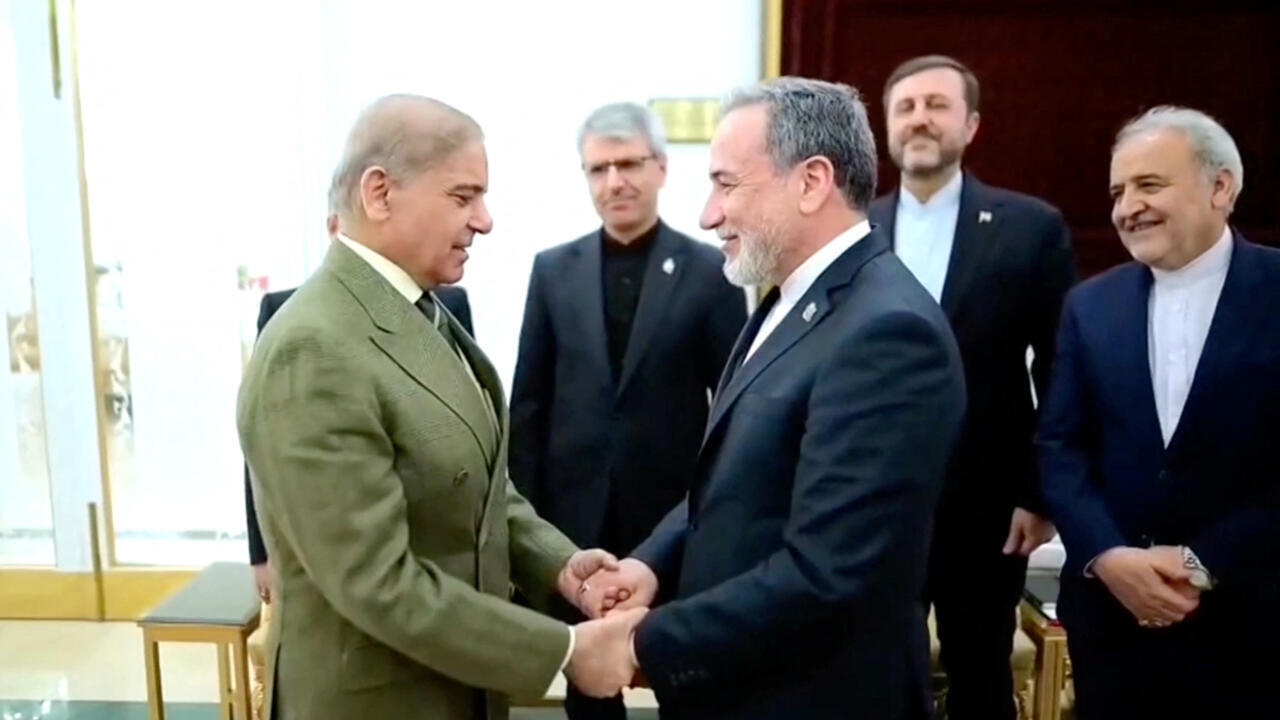
In a related context, Iranian Foreign Minister Abbas Araghchi stated that his country is awaiting clarifications from the United States regarding its seriousness in reaching a diplomatic settlement to the crisis in the Middle East. This came during his visit to Muscat, after leaving Pakistan, which is leading mediation efforts between Tehran and Washington.
Araghchi posted on X, indicating that his visit to Pakistan was "very fruitful," as Iran's perspective on a framework for a permanent end to the war was presented. He emphasized that his country needs to see if the United States is serious in its diplomatic endeavors.
Background & Context
These developments come at a sensitive time, as U.S. President Donald Trump announced the cancellation of his envoys' visit to Islamabad, which aimed to finalize discussions with Tehran. Trump indicated that this decision does not necessarily mean a resumption of war with Iran, but it reflects a state of uncertainty in relations between the two countries.
In his statements, Trump confirmed that the United States remains committed to preventing Iran from acquiring nuclear weapons, complicating the situation further. He also pointed to the presence of "internal strife" within the Iranian leadership, reflecting a state of confusion and instability within the Iranian system.
Impact & Consequences
Militarily, a German mine sweeper is stationed in the Mediterranean Sea in preparation for a mission in the Hormuz Strait after the war in the Gulf. The German Ministry of Defense confirmed that this step is part of NATO's efforts to protect freedom of navigation in the region.
At the same time, tensions are rising in Lebanon, where a ceasefire between Israel and Hezbollah is precarious following Israeli airstrikes that resulted in several casualties. These events indicate that conditions in the region may be heading towards further escalation, complicating peace efforts.
Regional Significance
Control of the Hormuz Strait is a strategically important issue not only for Iran but also for many Arab countries that rely on this passage for energy supplies. Any escalation in tensions could directly impact oil prices and global markets.
In conclusion, the situation in the region remains volatile, with military and political factors intertwining, necessitating close monitoring by the concerned countries. The continued U.S. pressures on Iran could lead to unpredictable reactions, placing the region in a state of instability.