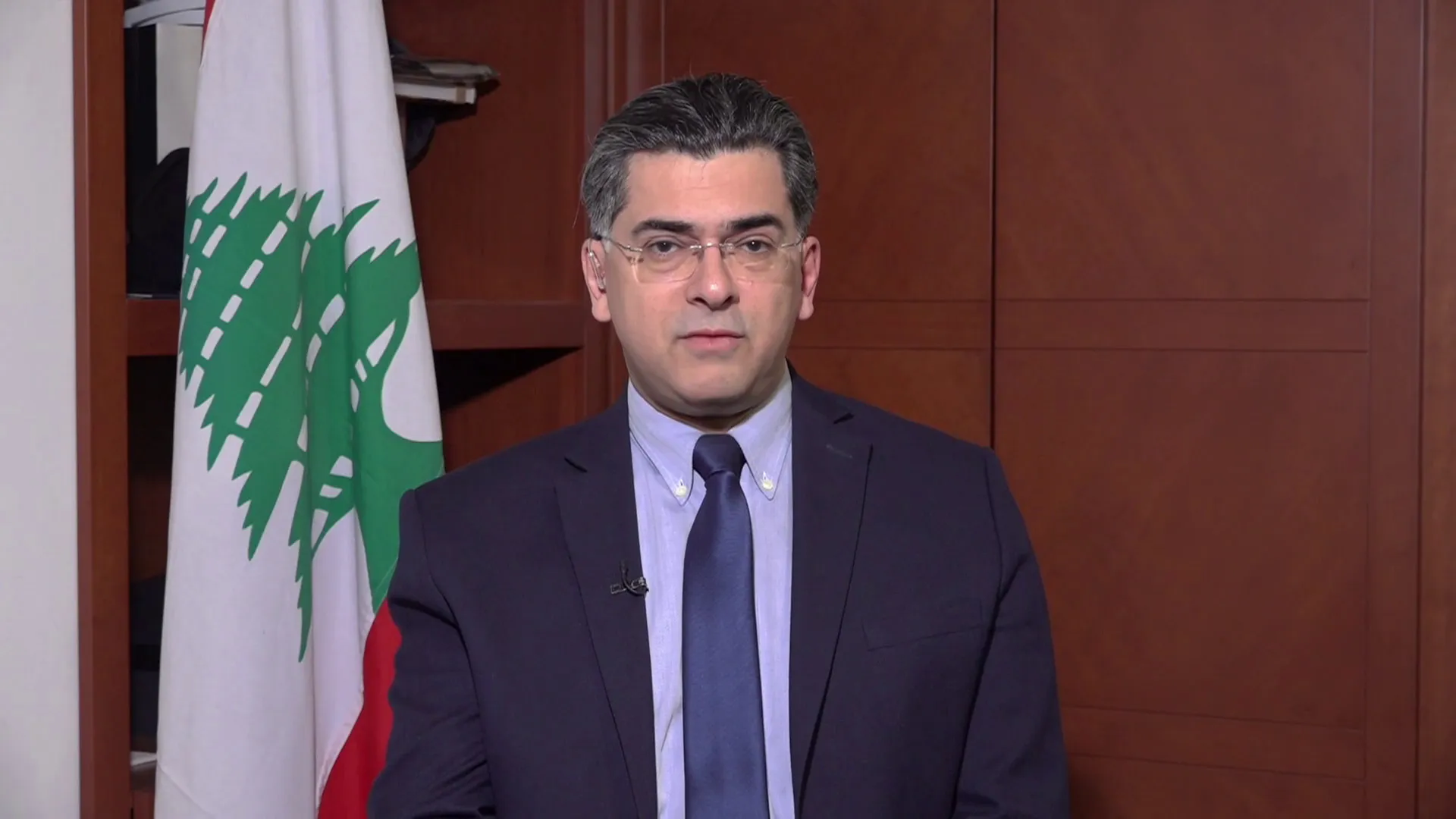
Lebanese Minister of Information Paul Marqus stated in an interview with "Al Jazeera Mubasher" that the Lebanese government is preparing to take a series of legal and diplomatic measures to pursue the Israeli occupation on an international level. These statements come amid escalating Israeli assaults on journalists, who have been systematically targeted.
Marqus pointed out that targeting media crews reflects an attempt to obscure the truth and eliminate field coverage, especially as Lebanon faces unprecedented military escalation. This statement followed the death of Lebanese journalist Amal Khalil, who was killed in an Israeli strike that targeted a house where she had taken refuge with a colleague while covering events in southern Lebanon.
Details of the Incident
In his remarks, Marqus confirmed that Lebanese journalists have become military targets for the Israeli occupation, stressing that there is no justification for their targeting, as they enjoy full protection under international laws and agreements. He added that "journalism is not a party to the conflict; rather, it is the eye of the truth, and targeting it aims to intimidate free speech."
The minister also revealed the latest official statistics on the victims of the ongoing Israeli aggression against Lebanon, which has resulted in a toll of 2,496 martyrs and 7,725 injured. He noted that these figures reflect "the scale of criminality and destruction inflicted on civilians and Lebanese infrastructure," vowing that the Lebanese state will not remain idle in the face of these violations.
Context and Background
These statements come at a highly sensitive time, as the region witnesses an escalation in hostilities, raising concerns about the safety of journalists and freedom of expression. Reports have shown that targeting journalists is not merely an individual assault but part of a broader strategy aimed at undermining independent media coverage.
Lebanon, which is suffering from a severe economic and political crisis, finds itself facing new challenges regarding press freedom and human rights. Marqus indicated that the Lebanese government has submitted an official request for a visit from the UN High Commissioner for Human Rights to conduct a field investigation and document Israeli assaults, paving the way for formal complaints in international forums.
Impact and Consequences
The ongoing Israeli assaults on journalists continue to negatively impact press freedom in Lebanon, raising alarms among international organizations. Many human rights organizations have warned that these assaults could lead to a significant decline in journalists' ability to perform their duties safely.
These events may also affect Lebanese-Israeli relations, as the Lebanese government seeks to strengthen its position in international forums. Targeting journalists is considered a war crime under international law, opening the door for Lebanon to pursue legal action against the Israeli occupation.
Impact on the Arab Region
These events serve as a wake-up call for all Arab countries regarding the importance of protecting journalists and freedom of expression. The targeting of journalists is not limited to Lebanon; it is a phenomenon that recurs in several Arab countries, necessitating collective efforts to safeguard the rights of media professionals.
Enhancing press freedom and protecting journalists is essential to ensure true democracy in the region, where the media plays a pivotal role in conveying truths and raising public awareness.
In conclusion, the recent statements by the Lebanese Minister of Information reflect the significant challenges facing press freedom in Lebanon and underscore the urgent need for measures to protect journalists and ensure their rights under the current circumstances.