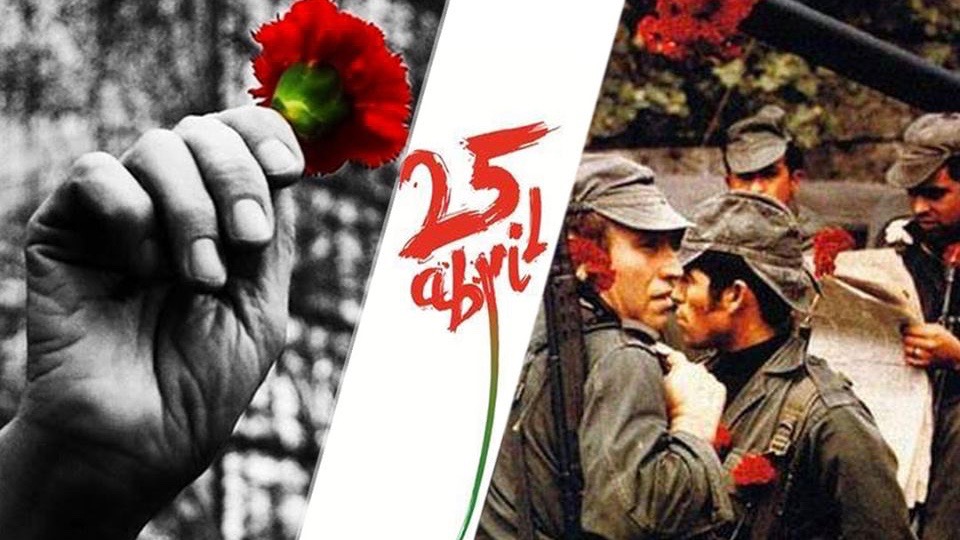
Portugal is celebrating the anniversary of the Carnation Revolution, which resulted in the end of the authoritarian "Estado Novo" regime in 1974. Protesters placed flowers on the muzzles of soldiers' rifles to express their rejection of violence. Despite the democratic achievements the country has made, economic and social challenges persist, raising questions about whether the concerns of the past have truly ended.
On the morning of April 25, 1974, a group of officers known as the "Armed Forces Movement" led a peaceful coup in Lisbon, ending decades of authoritarian rule that began under Antonio Oliveira Salazar. This peaceful coup paved the way for Portugal's transition to democracy, lifting government censorship on public life and restoring civil liberties.
Event Details
Although the revolution was an expression of widespread frustration within Portuguese society and a desire for reform, the country still grapples with economic issues. Reports indicate that economic growth is between 1.5% and 2%, causing feelings of frustration among citizens due to low wages and living conditions. The unemployment rate stands at 18.5%, exacerbating social anxiety.
The carnation flower is a symbol of democracy in Portugal, but the annual celebrations do not hide the growing discontent regarding the economic situation. According to data from the European Anti-Poverty Network, approximately 2.1 million people in Portugal are at risk of poverty, reflecting the challenges the government faces in addressing issues of poverty and housing.
Background & Context
Historically, Portugal was considered the last bastion of socialism in the European Union, but the situation has changed with the rise of the far-right party "Chega," which has become the third political force in the country. This shift reflects changes in the public mood among the youth, with polls showing that over 40% of young people lean towards the party's views, raising concerns among political elites.
The celebrations of the revolution's anniversary come at a sensitive time, as calls for reassessing government policies grow louder. President Antonio José Seguro has warned of the dangers threatening the values of the revolution, indicating that the country may slip into practices that contradict the principles on which the revolution was founded.
Impact & Consequences
Pressure is mounting on the Portuguese government to meet citizens' needs, with increasing criticism regarding low wages and the government's failure to address the housing crisis. European Parliament member Marta Temido emphasized the importance of the ongoing "battle against poverty," noting that many Portuguese live in difficult conditions.
Under these circumstances, there is rising concern about Portugal losing its appeal to young people, who are choosing to emigrate to Northern European countries in search of better opportunities. The National Institute of Statistics has warned that the country could lose 20% of its population by 2060 if current migration rates continue.
Regional Significance
Portugal's experience in transitioning to democracy serves as a model for many Arab countries seeking change. However, the challenges facing Portugal also reflect the difficulties that Arab nations may encounter on their path toward democracy and development.
In conclusion, the anniversary of the Carnation Revolution remains a symbol of hope and change, but it also serves as a reminder of the ongoing challenges facing Portuguese society. Portugal's ability to address these issues will determine its political and social future.