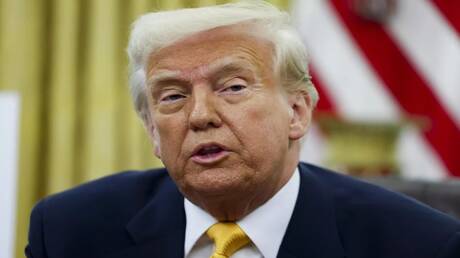
U.S. President Donald Trump stated that the cancellation of his envoys' visit to Pakistan, which was intended for discussions with Iranian officials, does not mean he intends to resume war against Iran. Trump clarified that all options are still available, reflecting the ongoing tensions between the United States and Iran.
Trump's remarks come at a sensitive time, as fears of potential military escalation in the region are rising. The cancellation of the visit raises questions about the U.S. strategy towards Iran, especially given the multiple crises facing the U.S. administration in its foreign policy.
Details of the Event
Trump pointed out that the cancellation of the envoys' visit, which included Jared Kushner and David Weitkov, does not signify a retreat by the United States from its stance on Iran. Instead, it reflects the complexities of the political situation in the region. The visit was aimed at discussing outstanding issues between the two countries, but it was called off at the last moment.
Facing both domestic and international pressures, Trump affirmed that the United States still retains the right to take any action it deems appropriate. This statement follows a series of events that have seen escalating tensions between Iran and the United States, including attacks on oil facilities in the Gulf.
Background & Context
The history of U.S.-Iranian relations is fraught with tensions and conflicts. Since the Iranian Revolution in 1979, the relationship between the two countries has continuously deteriorated. The economic sanctions imposed on Iran, along with military tensions in the region, have made it difficult to achieve any progress in dialogue.
In recent years, the previous U.S. administration under Barack Obama attempted to reach a nuclear agreement with Iran, but this agreement was scrapped by Trump in 2018. Since then, tensions have notably escalated, leading to fears of a direct military conflict.
Impact & Consequences
The cancellation of the envoys' visit could significantly affect U.S.-Iran relations. This decision may exacerbate conditions in the region, as Iran could interpret the cancellation as a signal of the United States' unwillingness to engage in dialogue.
Furthermore, the ongoing tensions could impact oil prices and global financial markets, as the Gulf region is one of the world's most critical shipping points. Any military escalation in this area could lead to a substantial increase in oil prices.
Regional Significance
U.S.-Iran relations are a central focus in regional politics. Arab countries, especially those located in the Gulf, are closely monitoring developments in these relations, as any escalation could affect their security and stability.
At the same time, some Arab nations are seeking to strengthen their ties with Iran in an attempt to ease tensions. However, the question remains: will these countries be able to balance their interests with both the United States and Iran?
In conclusion, the situation in the region remains tense, and the decisions made by the U.S. administration will significantly influence the future of relations among countries in the Middle East.