U.S. President Donald Trump has canceled an American delegation's visit to Pakistan, a move that reflects the U.S. administration's tough approach towards Iran. This decision comes after indirect mediations between Tehran and Pakistani officials, who typically relay messages between the two sides, stalled.
According to Al Jazeera's correspondent at the White House, Trump's statements on the 'Truth Social' platform indicated that Iran has not made sufficient concessions, prompting Washington to reassess its position. The U.S. administration confirmed that it possesses greater leverage, especially with ongoing sanctions and a maritime blockade imposed on Iran.
Event Details
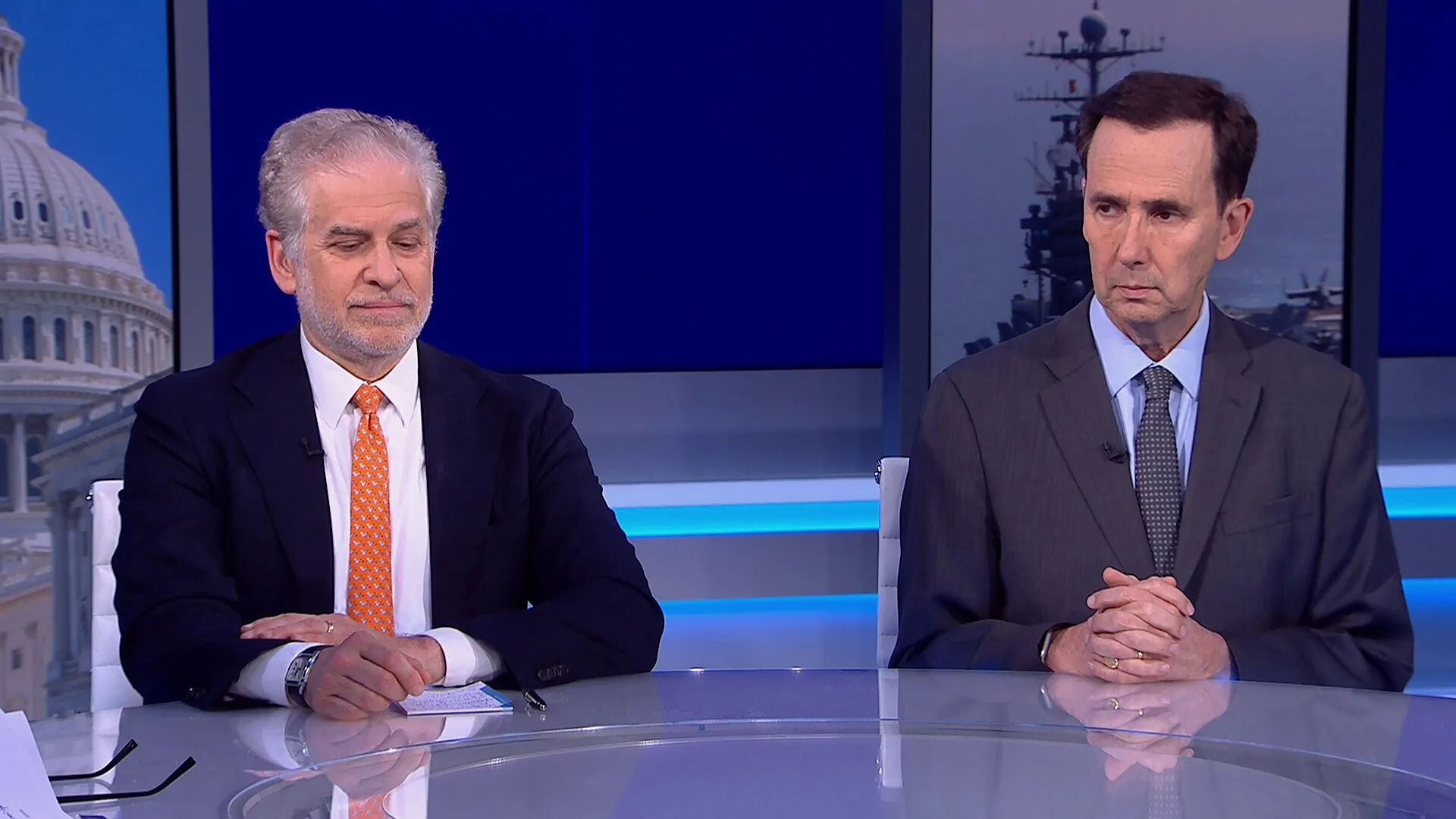
In a deeper analysis, former U.S. diplomat Alan Eyre, who participated in previous nuclear negotiations with Iran, stated that the cancellation of the visit is a direct result of no change in Iran's stance. He suggested that Washington sees no point in continuing the negotiation process at this stage.
On the other hand, military expert Barry Pavel noted that this decision reflects a shift in Trump's administration strategy, which leans towards using pressure as a primary negotiating tool. He pointed out that Washington aims to send a message that negotiations are futile without clear concessions from the Iranian side.
Background & Context
These developments come at a time when relations between the United States and Iran are increasingly strained. Washington views sanctions and the maritime blockade as central pressure tools aimed at reducing Iran's economic capacity, particularly regarding oil exports.
Despite the escalation rhetoric, analysts have confirmed that the decision does not necessarily mean a move towards war, but rather reflects a transition to a more intense political and economic pressure phase. However, Pavel warned that the halt of diplomatic channels could open the door to potential military escalation, especially amid ongoing tensions in sensitive areas like the Strait of Hormuz.
Impact & Consequences
Many analysts believe that the current confrontation remains within a 'war of wills,' where neither side appears willing to make substantial concessions. Iran considers its nuclear program a sovereign right that cannot be compromised, while Washington seeks a more stringent agreement than the 2015 deal, placing negotiations at a deadlock.
In this context, the United States is exploring multiple options to pressure Iran, including tightening oversight on Iranian shipping and targeting maritime transport networks. While military options remain on the table, they are fraught with risks and could lead to widespread regional escalation.
Regional Significance
These developments are of significant importance to the Arab region, as they may impact regional stability and heighten tensions. The escalation of the U.S. position could also reflect on the relationships between Arab states and Iran, necessitating clear stances from Arab nations amid these changing circumstances.
In conclusion, the political landscape remains complex, with increasing pressures on Iran as Washington seeks to achieve its strategic goals. The continuation of this tension could lead to unforeseen repercussions on security and stability in the region.