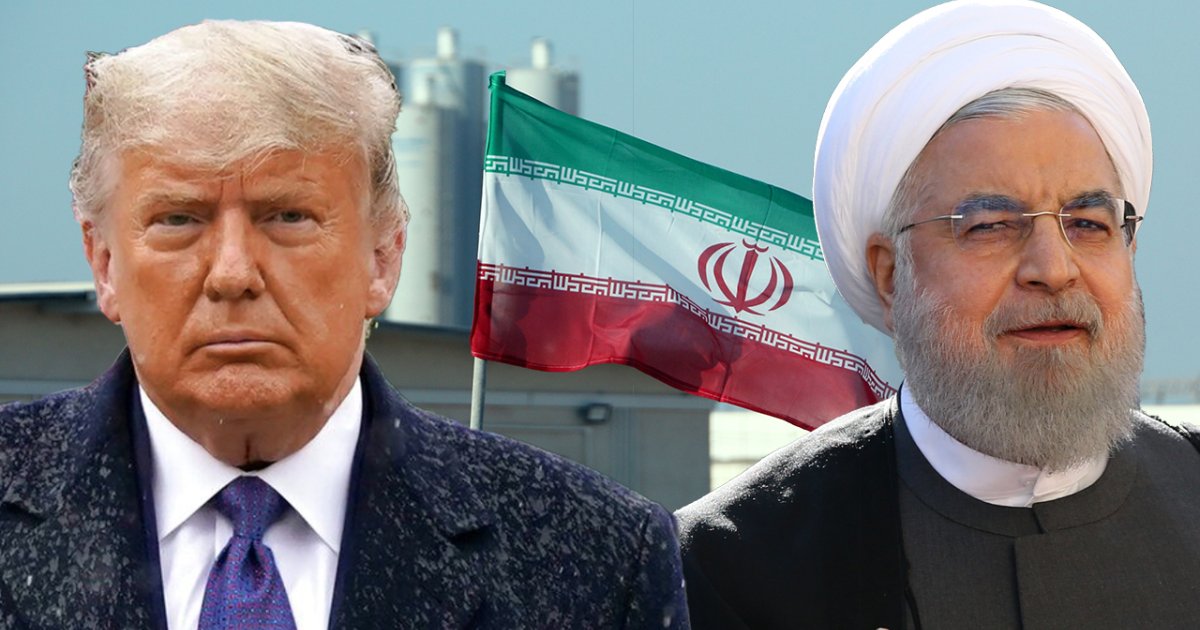
In a move reflecting its commitment to military neutrality, Austria announced its rejection of the United States' request to use its airspace for military operations against Iran. This announcement came on Thursday, with a spokesperson from the Austrian Defense Ministry confirming that the ministry had received several requests from Washington, although the exact number of these requests was not specified.
Austria, which has a long history of military neutrality, has not yet imposed a blanket ban on American military aircraft, but it is reviewing requests on an individual basis. Opposition parties, particularly the Social Democratic Party, have expressed support for the government's stance, with party leader Sven Hergovich calling for a refusal of any American military flights to the Gulf.
Details of the Event
This step comes at a sensitive time as tensions rise between the United States and Iran, especially following airstrikes carried out by the United States and Israel against Iran since February 28, 2026. These attacks resulted in the deaths of over 1,340 people, including the then Iranian Supreme Leader, Ali Khamenei.
In response to these attacks, Iran launched drone and missile strikes targeting Israel, Jordan, Iraq, and Gulf countries hosting American military assets, leading to casualties and infrastructure destruction, as well as impacting global markets and the aviation sector.
Background & Context
Historically, Austria has been known for its policy of neutrality, having not participated in any military conflicts since the end of World War II. This policy has made Austria a venue for numerous international negotiations, including those related to conflicts in the Middle East. Austria has maintained its neutral stance even amid increasing international pressures.
In recent weeks, other European countries such as Spain and Italy have taken similar steps, with Spain closing its airspace to military aircraft related to the conflict, while Italy rejected requests from American aircraft to land at its military bases.
Impact & Consequences
Observers believe that Austria's rejection of the United States' request could have significant implications for relations between Austria and Washington, potentially leading to tensions in military cooperation between the two countries. This stance may also encourage other countries to take similar actions, reflecting a growing divide in European positions towards American policies in the Middle East.
Furthermore, the ongoing tensions between the United States and Iran could escalate the conflict, affecting regional and global security. This may lead to an increased flow of refugees and displaced persons, placing additional pressures on European countries.
Regional Significance
For the Arab region, the escalating tensions between the United States and Iran could exacerbate security situations, particularly in Gulf countries. Any military escalation could impact oil prices and financial markets, potentially adversely affecting Arab economies.
In conclusion, Austria's position on the U.S. request underscores the importance of neutrality in international politics and reflects the challenges faced by countries in taking independent stances amid global pressures.