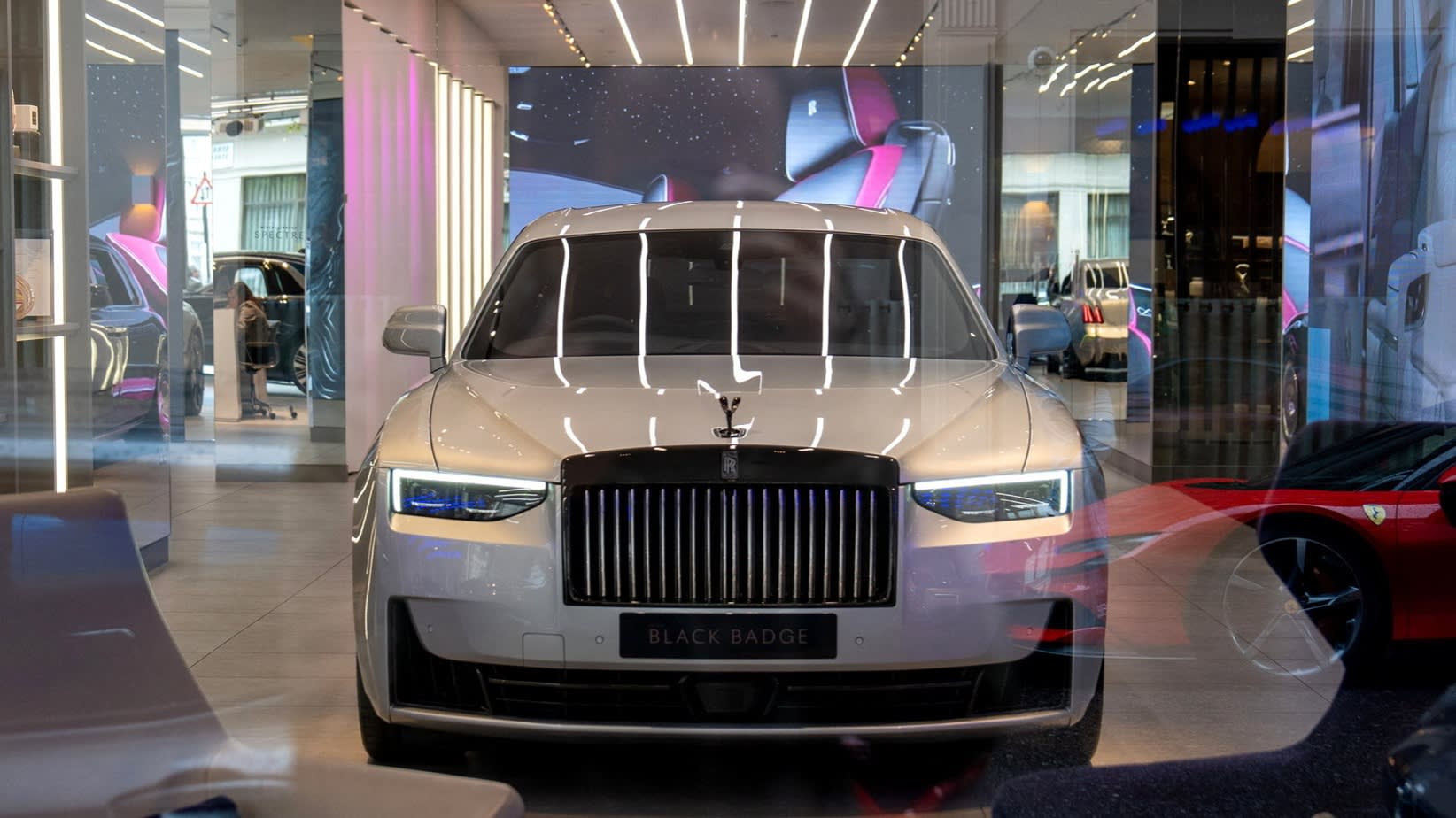
In an unexpected turn, the historic British car manufacturer Rolls Royce has announced its withdrawal from plans to develop new electric vehicles. This move reflects a growing trend among major global car manufacturers, as over ten large companies have begun to adjust their strategies due to the sustained strong demand for gasoline-powered cars. With this decision, Rolls Royce joins the ranks of other major names that are adapting their strategies to current market needs.
Reports indicate that Rolls Royce's decision came at a time when data shows demand for gasoline engines remains high in the market, particularly in regions like the United States and China. Despite increasing pressures to transition to more sustainable and environmentally friendly solutions, it appears that major car manufacturers prefer to focus on what customers know and love, which means remaining within the realm of traditional engines for a longer period.
In recent years, car manufacturers have intensely focused on innovation in electric vehicles, pressured by governments and regulatory bodies driving towards lower emissions and more sustainable transport. However, the electric vehicle market shows an inability to meet performance and profitability expectations in the near term, a fact that has become clear with the slowdown in consumer purchases of these types of cars.
Historically, the automotive industry has experienced significant transformations over decades. While gasoline engines have been predominant for many years, the shift towards electricity arose as an urgent need due to climate change and market demands. However, this sudden retreat by many companies raises questions about the sustainability of the electric transition under current economic conditions and volatility in energy prices.
The impact of this shift may extend beyond just rising gasoline demand. These changes could slow the transition towards a more sustainable future and therefore potentially impact global environmental policies. There will be increased pressure on governments to support investments in renewable energy technology, while countries will need to develop new policies to keep up with these changes, especially as they strive to reduce dependence on fossil fuels.
In the Arab region, this trend comes with oil and gas being central to many economies. While some countries like the UAE and Saudi Arabia aim to diversify their economies by investing in renewable energy, the decline of the electric vehicle industry may negatively impact the strategies of these nations. Investors in the region may be concerned about the costs of transitioning to sustainable transport solutions and innovation.
These developments coincide with a mix of optimism and anxiety in the Middle East, where many citizens and investors are trying to understand how these global trends will affect the future of energy and the economy in their countries. As the transition process continues, it is essential to maintain an open dialogue on how to reconcile economic and environmental needs, especially as global changes appear more complex than ever.
In conclusion, the steps taken by major car companies reflect a response to market changes and consumer interests, as everyone prepares for a new phase of innovation and transition in the automotive industry. While the transition to the era of electric vehicles remains an inevitability in the long term, key players in the field are still seeking a balance between innovation and current demand. The world will continue to watch the market to see how things will evolve in the future.