Concerns are growing about navigation in the Strait of Hormuz as the deadline set by former U.S. President Donald Trump for Iran approaches. Many are questioning how to reactivate this vital maritime artery if the closure continues or if Tehran maintains control over transit movements.
In an analysis published by The New York Times, writer Catherine Rampell presents a reading prepared by American author Jim Tankersley, identifying four available options regarding the reopening of the strait. However, the author notes that the issue is not just about the ongoing conflict, but also about the nature of the strait itself and the complexities of international interests involved, making the enforcement of lasting security a challenging task.
Details of the Options
The first proposed option is to escort commercial vessels with naval ships, a suggestion supported by France. In contrast, the United States calls on Europeans and other allies like Japan to protect ships flying their flags. However, the report highlights that this option is costly, and the available defensive capabilities do not guarantee deterrence against all forms of attack, especially if Iran resumes using drones or swift strikes that may alarm insurance companies and ship owners.
The second option involves sending mine sweepers to clear the strait after the conflict ends. However, this possibility faces skepticism from Western military officials regarding whether Iran has indeed planted mines, making this option of limited utility or merely a supportive tool within broader arrangements.
The third option includes providing aerial protection through fighter jets and drones to intercept any attacks on vessels. Nevertheless, this option remains high-cost and does not provide a complete guarantee, as a single successful strike could undermine confidence in the entire corridor.
The fourth option, considered by the report to be the most realistic, combines diplomatic pressure with military means. This option involves pushing Iran through negotiations and economic pressures to refrain from targeting ships while maintaining deterrent tools in case of need.
Background & Context
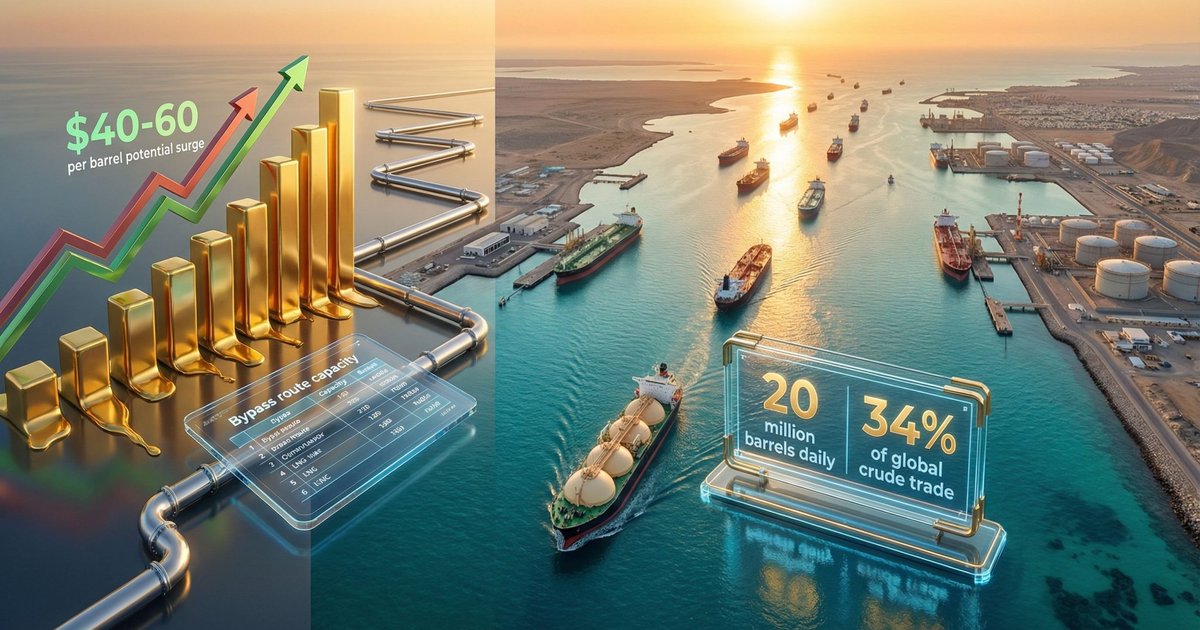
The Strait of Hormuz is one of the most important maritime passages in the world, through which approximately 20% of the world's total oil passes. Historically, the strait has witnessed recurring tensions between Iran and Western countries, especially under the sanctions imposed on Tehran. These tensions directly affect oil prices and global trade movements, making any escalation in the region have wide-ranging implications.
In recent years, Iran has increased its military capabilities in the region, allowing it to exert greater control over navigation. Tehran has shown its willingness to use force if it feels its interests are threatened, complicating any international efforts to reopen the strait.
Impact & Consequences
The repercussions of closing the Strait of Hormuz extend beyond the region, affecting the global economy as a whole. Any escalation in tensions could lead to rising oil prices, negatively impacting energy-dependent economies. Additionally, the continued closure could exacerbate humanitarian crises in countries reliant on maritime imports.
Moreover, any attempt to reopen the strait could lead to military escalation, further complicating the security situation in the region. Major powers, including the United States and Russia, may find themselves compelled to intervene, increasing the likelihood of a larger conflict.
Regional Significance
The Strait of Hormuz is a vital artery for Arab countries, especially those reliant on oil exports. Any closure or tension in the region could directly impact the economies of these nations. Furthermore, tensions in the strait may lead to increased military investments in the region, heightening instability.
Ultimately, the most realistic option remains a combination of diplomacy and military pressure, but this option also does not guarantee success. As tensions persist, the future of the Strait of Hormuz remains uncertain, requiring the international community to take urgent steps to ensure the safety of navigation within it.