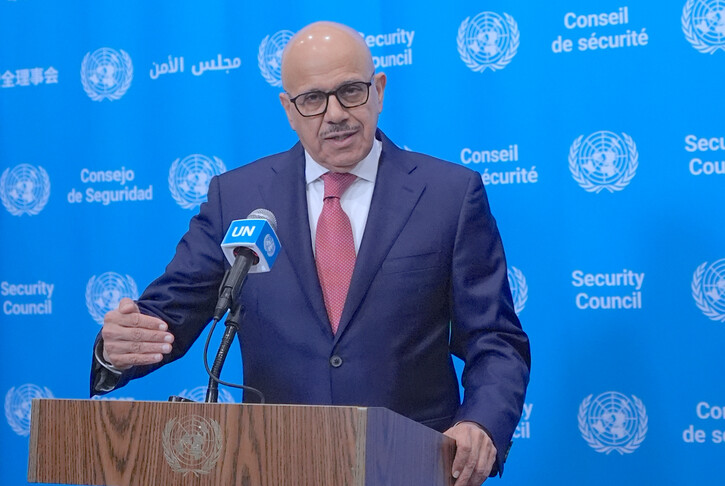
Bahrain has urgently called for the reopening of the Strait of Hormuz, coinciding with rising concerns regarding the security of international maritime navigation. This statement was made by the Bahraini Foreign Minister, who emphasized the significance of this vital corridor in securing global trade.
The minister's remarks came ahead of an anticipated discussion at the United Nations Security Council regarding the security situation in the region, where tensions have escalated recently, raising fears about the impact on commercial shipping.
Details of the Situation
The Strait of Hormuz is one of the most crucial maritime passages in the world, through which approximately 20% of the world's total oil supply transits. In recent years, the strait has witnessed numerous security incidents, including attacks on oil tankers, leading to heightened concerns about supply disruptions.
The Bahraini Foreign Minister pointed out that the current situation necessitates urgent action from the international community to ensure the safety of navigation. He also called for enhanced cooperation among nations to ensure regional stability and protect shared interests.
Background & Context
Historically, the Strait of Hormuz has experienced recurring tensions due to geopolitical conflicts in the region, particularly between Iran and Western countries. In recent years, these tensions have significantly increased, affecting trade flows and leading to rising oil prices.
In 2019, the strait witnessed a series of attacks on oil tankers, prompting major powers to bolster their military presence in the area. These events raised significant concerns among oil-exporting nations, including Bahrain, which heavily relies on its oil exports.
Impact & Consequences
The safe reopening of the Strait of Hormuz could have a positive impact on the global economy, contributing to the stabilization of oil prices and enhancing international trade flows. Conversely, ongoing tensions could exacerbate economic conditions in the region and increase risks to maritime navigation.
Through its call for the reopening of the strait, Bahrain aims to reaffirm its role as a supporter of stability in the region, which could strengthen its position in international forums and enhance opportunities for cooperation with other nations.
Regional Significance
Bahrain is part of the Gulf Cooperation Council, and any tension in the Strait of Hormuz directly affects all Gulf states. Therefore, Bahrain's call to reopen the strait reflects a shared concern among Gulf countries regarding maritime security.
Moreover, the stability of the Strait of Hormuz has direct implications for the Arab economy, as many countries depend on oil exports. Thus, any steps towards enhancing security in this strait would have positive effects on the entire region.
In conclusion, Bahrain's call for the reopening of the Strait of Hormuz comes at a sensitive time, as fears of regional tensions continue to rise. It is essential for the international community to collaborate to ensure the safety of navigation and protect the economic interests of all.