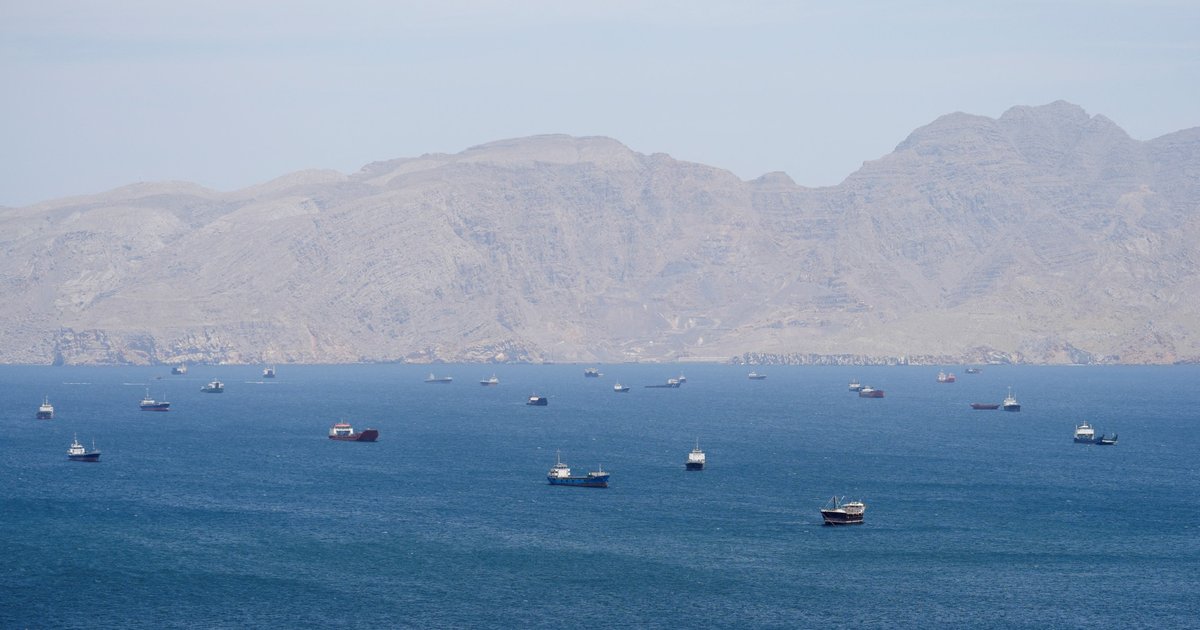
In a move that may signal new shifts in Iranian-American relations, White House spokesperson Caroline Levitt confirmed that senior officials in the United States are reviewing an Iranian proposal aimed at ending the conflict and reopening the Strait of Hormuz. The proposal comes at a sensitive time as Iran seeks to improve its position in negotiations regarding its nuclear program.
Levitt reported that President Donald Trump met with his national security team to discuss the details of this offer. The Iranian proposal includes reopening the Strait of Hormuz, a vital waterway through which approximately 20% of the world's oil passes, in exchange for future discussions regarding Iran's nuclear program.
Details of the Proposal
This step by Iran is seen as an attempt to ease the escalating tensions with the United States and its allies in the region. The Strait of Hormuz is one of the most important waterways in the world, and any closure could significantly impact global oil markets. The Iranian proposal comes at a time when economic pressures on Tehran are increasing due to imposed sanctions.
Levitt also emphasized that the red lines set by Trump regarding Iranian nuclear ambitions remain "very clear," indicating that any progress in talks may require significant concessions from the Iranian side. These statements reflect the U.S. administration's hardline stance towards Iran, despite an openness to dialogue.
Background & Context
Historically, Iranian-American relations have seen increasing tensions since the United States withdrew from the nuclear agreement in 2018. This withdrawal led to the imposition of harsh economic sanctions on Iran, significantly impacting its economy. In recent years, military tensions in the region have escalated, making it essential to seek diplomatic solutions.
Iran, for its part, is attempting to strengthen its position in negotiations by presenting proposals that may seem appealing to the United States. Reopening the Strait of Hormuz could be a strategic step towards improving relations with the West, especially given the difficult economic conditions facing the country.
Impact & Consequences
If the Iranian proposal is accepted, it could lead to a de-escalation of tensions in the region, which may positively reflect on oil prices and global markets. Reopening the Strait of Hormuz would allow for greater oil flow, potentially contributing to price stabilization after periods of volatility.
However, it remains to be seen how the United States will respond to this proposal and whether it will agree to engage in discussions regarding Iran's nuclear program. Any progress in this direction may require concessions from both sides, which could be challenging to achieve under current circumstances.
Regional Significance
Neighboring Arab countries, such as Saudi Arabia and the United Arab Emirates, are among those most affected by developments in the Strait of Hormuz. Any improvement in Iranian-American relations could influence the security and economic strategies of these nations. Additionally, regional stability may contribute to enhancing economic cooperation among Arab countries.
In conclusion, the Iranian proposal is currently under review, and discussions about it are expected to continue in the coming days. The success of these negotiations could open new horizons for relations between Iran and the United States, significantly impacting the security and economic situation in the region.