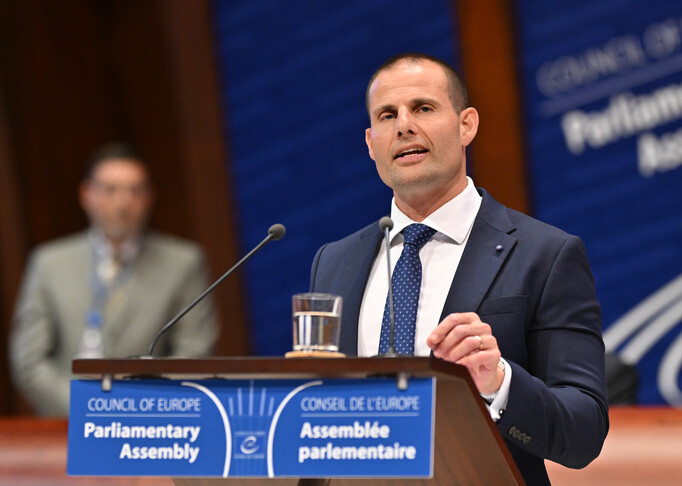
Malta's Prime Minister, Robert Abela, has announced that the country will hold early general elections on May 30, a move intended to strengthen political stability. This upcoming election will be the 26th in Malta's history, reflecting a long-standing tradition of democracy and political engagement.
This decision follows a period of political tensions within the country, as Abela seeks to renew trust in his government after facing several challenges. The forthcoming elections will provide citizens with an opportunity to voice their opinions and select their representatives in Parliament.
Details of the Upcoming Elections
The general elections in Malta are a significant event that attracts the attention of both citizens and international observers. The competition is expected to be fierce among the major political parties, including the Labour Party and the Nationalist Party. Campaigns are likely to focus on key issues such as the economy, immigration, and environmental policies.
Moreover, the timing of the elections comes at a sensitive juncture, as the government aims to address pressing economic and social issues affecting citizens' lives. Many voters are eager to see how the parties will tackle these challenges during their campaigns.
Background & Context
The history of elections in Malta spans over 100 years, during which the country has experienced numerous political transformations. Since gaining independence from Britain in 1964, Malta has evolved into a sovereign nation with a robust democratic system. General elections are a fundamental aspect of this system, allowing citizens to choose their representatives in Parliament.
Over the years, Malta has witnessed significant changes in its political landscape, with major parties vying for power. Previous elections have demonstrated the Labour Party's dominance, but economic and social challenges may influence the outcomes of the upcoming elections.
Impact & Consequences
The upcoming elections present an opportunity to evaluate the performance of the current government, and their results could lead to substantial changes in local policies. If the opposition party manages to secure victory, we may witness a shift in economic and social policies, directly impacting citizens' lives.
Additionally, the election results could affect the country's foreign relations, particularly with other European nations. Malta is considered a strategic point in the Mediterranean, and any changes in government may influence policies related to immigration and trade.
Regional Significance
The forthcoming elections are crucial for reinforcing democracy in Malta and determining the country's political future. They will not only shape domestic policies but also influence Malta's role within the European Union and its interactions with neighboring countries.
In conclusion, the early general elections scheduled for May 30 represent a pivotal moment for Malta, as citizens prepare to make decisions that will impact their governance and the nation's trajectory in the coming years.