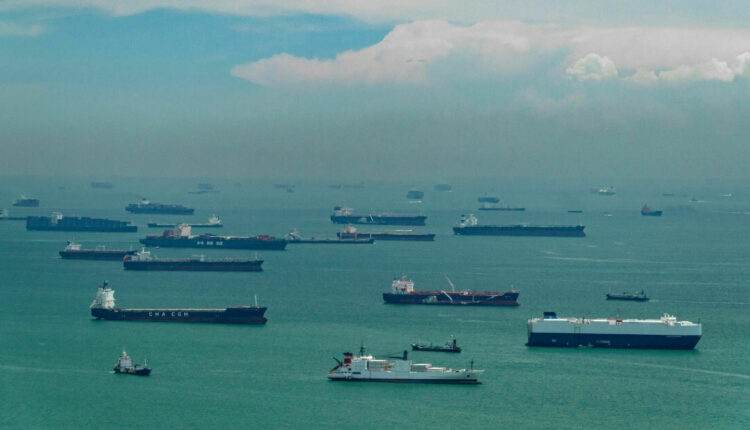
In a significant diplomatic move, Iran proposed on Sunday to open the Strait of Hormuz, a vital waterway for global trade, to shipping, alongside lifting the U.S. sanctions imposed on it. This proposal emerges at a time when tensions surrounding Iran's nuclear program are escalating, as Tehran seeks to delay discussions on more complex nuclear issues to a later date.
The Strait of Hormuz is considered one of the most important maritime passages in the world, through which approximately 20% of the world's oil passes. Therefore, opening it to shipping could help alleviate economic pressures on Iran and stabilize oil prices in global markets.
Details of the Proposal
This move follows years of increasing tensions between Iran and the United States, which escalated after Washington's withdrawal from the Iranian nuclear agreement in 2018. Since then, the U.S. has imposed a series of economic sanctions on Tehran, significantly impacting its economy. Iran's recent proposal demonstrates its desire to improve its economic situation while also expressing readiness to negotiate nuclear issues in the future.
In this context, the proposal represents an attempt by Iran to ease international pressures on it and may open the door for new dialogue with major powers. However, the question remains about how serious Iran is about implementing this proposal and whether the United States will respond positively.
Background & Context
Historically, the Strait of Hormuz has been the scene of numerous political and military crises. In the 1980s, the region witnessed naval conflicts during the Iran-Iraq War. Current tensions stem from various factors, including Iran's nuclear program and its support for militias in the region, complicating the situation further.
Through this proposal, Iran aims to regain some of its influence in the region, especially after the pressures it has faced from the United States and its allies. Opening the Strait of Hormuz could be seen as a step towards improving relations with neighboring countries, particularly the Gulf states that rely on this passage for their oil exports.
Impact & Consequences
If Iran's proposal is implemented, it could help reduce tensions in the region and restore some stability to global oil markets. Additionally, lifting U.S. sanctions may improve Iran's economic situation, potentially influencing its regional and international policies.
However, there remains concern that delaying nuclear issues could give Iran more time to develop its nuclear program, raising alarms in the international community. Therefore, international reactions to this proposal will be crucial in determining the course of future events.
Regional Significance
This proposal comes at a sensitive time amid regional and international tensions and could significantly impact the stability of oil markets and relations between Iran and major powers. The potential reopening of the Strait of Hormuz may facilitate a new phase of dialogue and cooperation in the region.
In conclusion, Iran's initiative to open the Strait of Hormuz and delay nuclear talks could reshape the geopolitical landscape, offering a glimmer of hope for improved relations and economic stability in a historically volatile region.