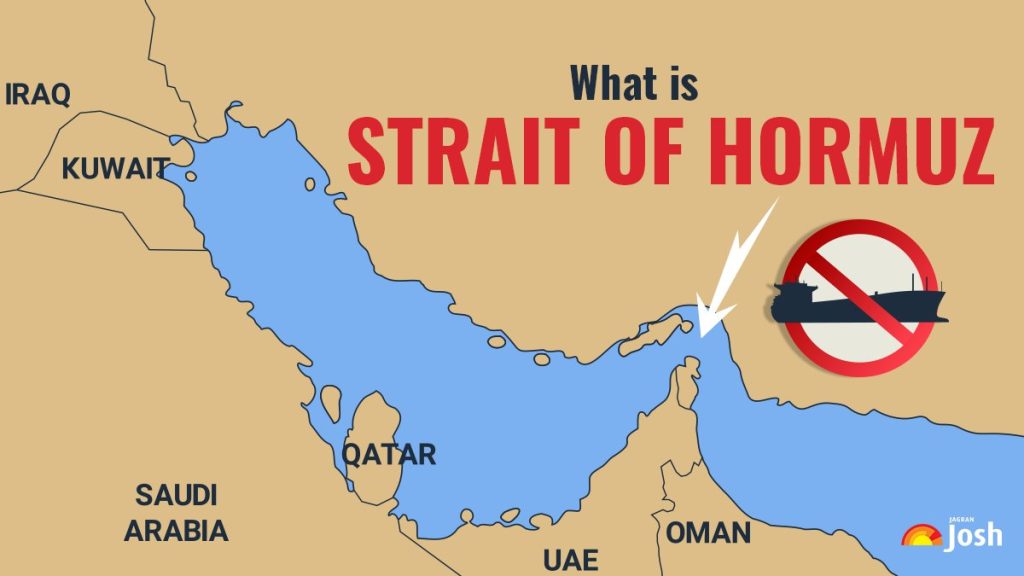
Bahrain and Oman have both emphasized the importance of freedom of navigation in the Strait of Hormuz, which is considered one of the most vital waterways in the world. This affirmation came during official meetings between the two sides, where they discussed the challenges facing navigation in the region.
The Strait of Hormuz is a key transit point for approximately 20% of the world's total oil supply, making any threat to navigation there directly impact the global economy. Officials from Bahrain and Oman pointed out that maintaining security in this area requires ongoing international cooperation.
Details of the Meetings
During the meetings, the importance of enhancing cooperation among the countries bordering the strait was highlighted to ensure safe navigation and avoid any escalation that could affect global trade. The discussions also covered ways to strengthen security coordination among the concerned countries to address common challenges.
Additionally, the importance of dialogue between major countries in the region was addressed, with both sides affirming that mutual understanding could contribute to reducing tensions and achieving stability.
Background & Context
Historically, the Strait of Hormuz has witnessed numerous crises and tensions, particularly amid regional conflicts and external interventions. There have been multiple attempts by the concerned countries to secure this vital passage, but challenges remain.
In recent years, tensions in the region have escalated, prompting countries to reassess their security strategies. The statements from Bahrain and Oman come in this context, emphasizing the necessity of collective action to maintain freedom of navigation.
Impact & Consequences
Any threats to freedom of navigation in the Strait of Hormuz could significantly affect oil prices and global financial markets. Therefore, Bahrain and Oman's affirmation of the importance of free navigation is a positive step towards stabilizing markets.
Moreover, enhancing cooperation among the countries bordering the strait may help reduce security risks, thereby increasing investment opportunities in the region and encouraging the development of economic projects.
Regional Significance
Freedom of navigation in the Strait of Hormuz is a vital issue for all Arab countries, as many of these nations rely on oil as a primary source of revenue. Thus, any threat to this freedom could negatively impact their economies.
In conclusion, the Bahraini-Omani affirmation of the importance of freedom of navigation in the Strait of Hormuz serves as a call for regional and international cooperation to ensure the stability of the region and protect economic interests.