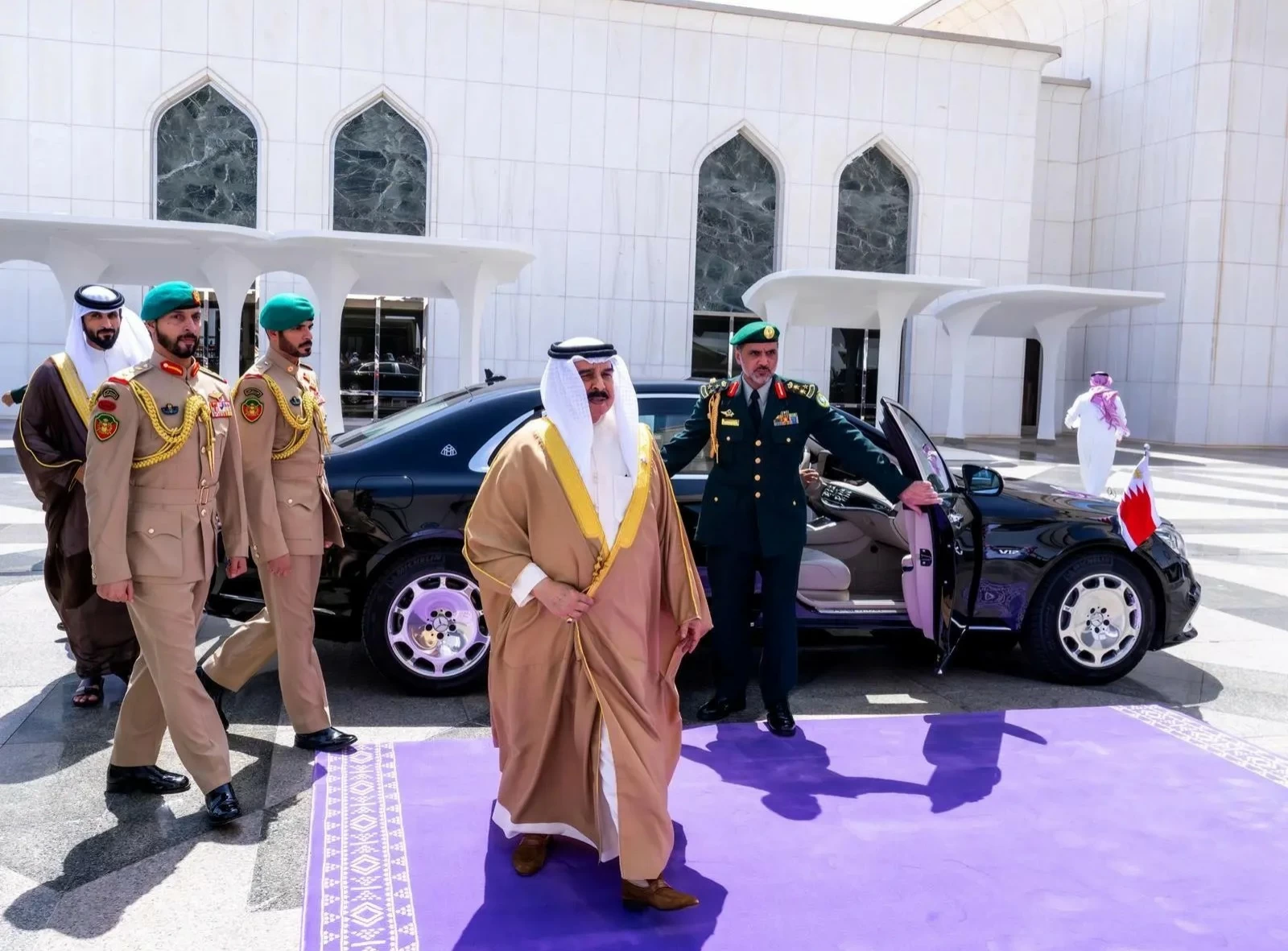
King Hamad bin Isa Al Khalifa of the Kingdom of Bahrain left Jeddah today after attending the Gulf Consultative Summit held in the Kingdom. The summit saw the attendance of several Gulf leaders who discussed common issues and the challenges facing the region, reflecting the importance of Gulf cooperation in enhancing security and stability.
This summit comes at a sensitive time for the region, where political and economic challenges are on the rise. King Hamad, representing one of the prominent leaders in the Gulf Cooperation Council (GCC), emphasized the importance of unity and solidarity among member states to face current challenges during the summit.
Event Details
The Gulf Consultative Summit was held in Jeddah, addressing a range of vital topics concerning the member states, including regional security, economic cooperation, and environmental challenges. Opinions were exchanged on how to enhance cooperation in various fields, including energy and trade.
Additionally, the importance of strengthening bilateral relations among member states was underscored, with King Hamad highlighting the need for joint efforts to tackle challenges that may affect the region's stability. The summit served as an opportunity to renew commitments and strengthen ties among Gulf countries.
Background & Context
Historically, Gulf summits are an important platform for coordinating policies among the member states of the Gulf Cooperation Council. Recent years have witnessed multiple challenges, including political and economic crises that have impacted relations between some countries. The recent summit is part of ongoing efforts to enhance cooperation and understanding among Gulf nations.
The summit also reflects new trends in Gulf politics, as leaders seek to move beyond past disagreements and focus on common issues that concern all nations. This approach demonstrates the leaders' desire to achieve stability and sustainable development in the region.
Impact & Consequences
The outcomes of the Gulf Consultative Summit have significant implications for relations among member states. Strengthening cooperation in security and economic fields can contribute to greater stability in the region, benefiting all countries involved. Furthermore, Gulf unity may help address external challenges that threaten regional security.
Cooperation in areas such as energy and trade can enhance the competitiveness of Gulf countries on the global stage, contributing to sustainable development. This summit represents a step towards achieving common development goals among member states.
Regional Significance
The Gulf Consultative Summit has effects that extend beyond the borders of the member states, reflecting political and economic trends in the Arab region as a whole. Enhancing cooperation among Gulf countries can serve as a model for other Arab nations on how to address common challenges.
Moreover, the stability of Gulf countries is a crucial factor for the overall stability of the region, as these nations play a pivotal role in Arab politics and economics. Strengthening relations among Gulf countries can contribute to achieving security and stability in the Arab region.
In conclusion, King Hamad bin Isa Al Khalifa's departure from Jeddah after the Gulf Consultative Summit reflects the importance of such meetings in enhancing cooperation among Gulf countries. The summit was an opportunity to renew commitments and strengthen ties, contributing to stability and development in the region.