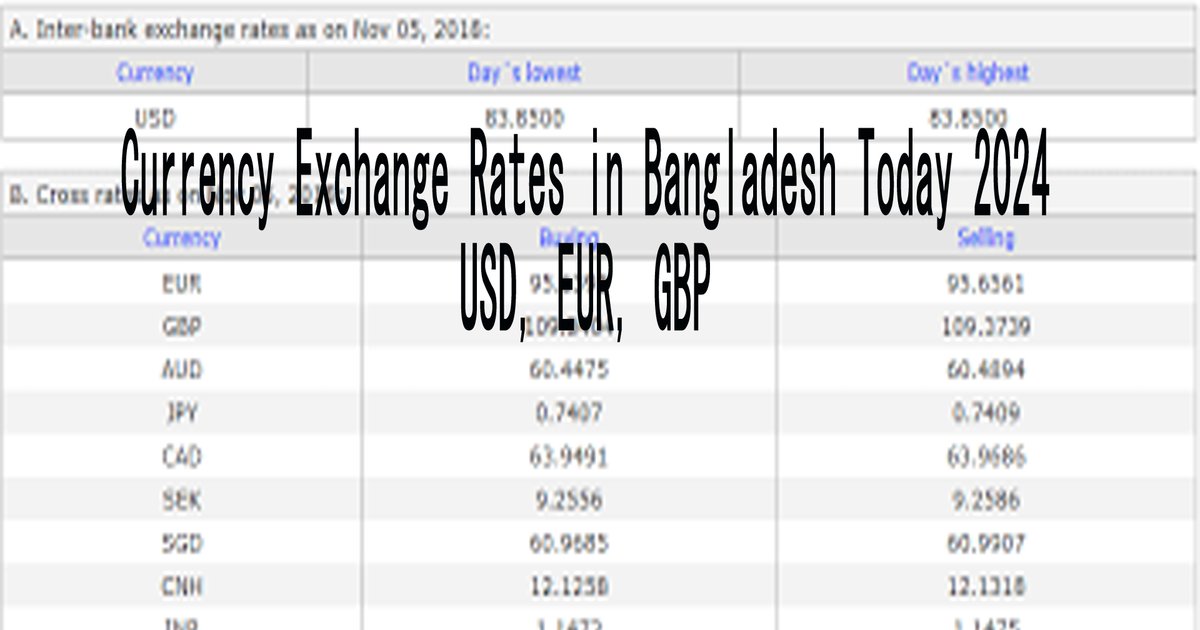
As part of efforts to alleviate concerns regarding the foreign exchange market, the Bangladesh Central Bank announced that the value of the Taka is not facing an imminent risk of decline, despite reaching its lowest level against the US dollar. These statements come at a time when the Bangladeshi economy is experiencing increasing pressures due to both global and local challenges.
The decline in the value of the Taka occurs amid difficult economic conditions, where the Central Bank is striving to bolster market confidence by affirming the stability of monetary policies. The bank indicated that strategies are in place to ensure currency stability, including market intervention when necessary.
Details of the Situation
The Bangladeshi Taka is one of the currencies significantly affected by global market fluctuations, having recorded a notable decrease in its value against the dollar. In this context, the Central Bank confirmed that there is continuous monitoring of market movements and that it is prepared to take necessary measures to maintain currency stability.
The bank also added that there has been improvement in some economic indicators, which may help support the currency in the near future. However, concerns remain regarding the impact of global inflation and rising commodity prices on the local economy.
Background & Context
Historically, Bangladesh has experienced fluctuations in its currency value due to various factors, including global economic crises and changes in oil prices. In recent years, the government and the Central Bank have attempted to enhance currency stability through a range of monetary and fiscal policies.
It is important to note that Bangladesh is considered one of the fastest-growing economies in South Asia, but it faces significant challenges related to inflation and unemployment. These challenges directly affect the value of the Taka and make it susceptible to fluctuations.
Impact & Consequences
The decline in the value of the Taka could impact the Bangladeshi economy in multiple ways, including increasing the cost of imports, leading to higher local prices. Additionally, a depreciating currency can affect foreign investments, as investors may hesitate to enter the market due to potential risks.
On the other hand, a weaker currency may enhance exports, making Bangladeshi products more competitive in global markets. However, this positive effect may not be sufficient to offset the negative impacts resulting from rising import costs.
Regional Significance
Bangladesh is one of the countries that has trade relations with many Arab nations, especially in labor and commerce. The decline in the value of the Taka may affect Bangladeshi laborers in Arab countries, as remittances back home could be impacted by currency fluctuations.
Moreover, any fluctuations in the Bangladeshi economy could affect Arab investments in Bangladesh, necessitating careful monitoring by Arab investors.