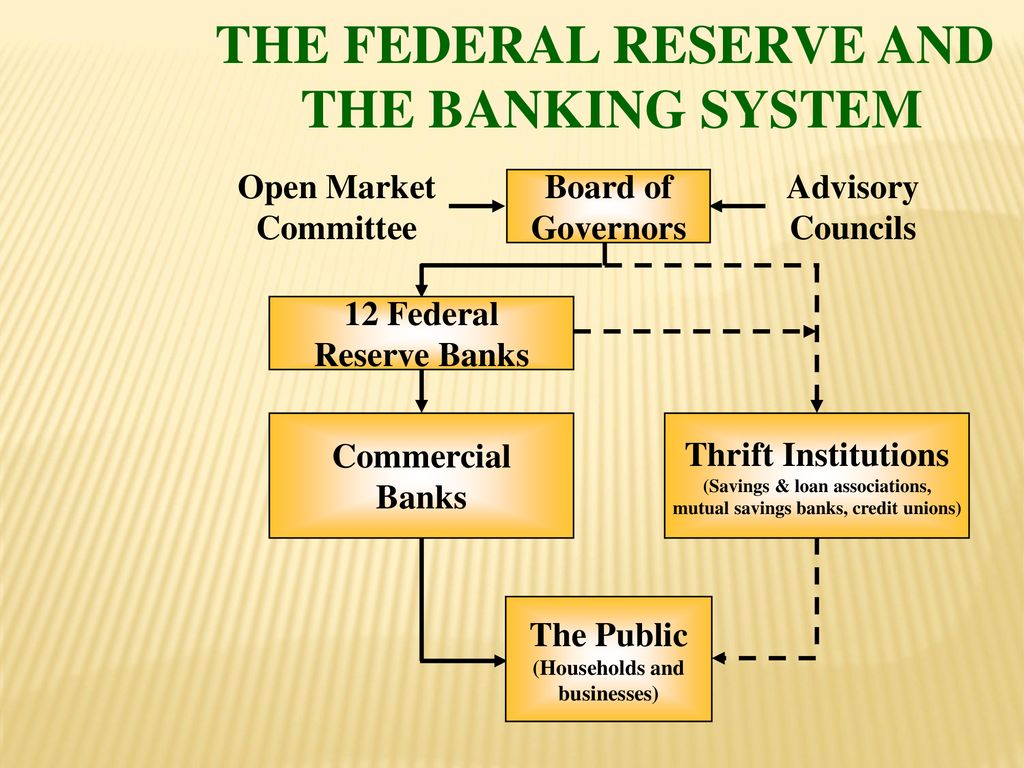
Banking groups have announced that the proposals from the U.S. Federal Reserve regarding the easing of capital requirements represent a positive step towards enhancing the stability of the banking system. However, these groups emphasized that the proposed amendments still require improvements to ensure that risk assessments do not negatively impact banks' ability to expand lending.
These statements come at a sensitive time, as the Federal Reserve seeks to bolster the U.S. economy following a period of economic challenges. Bankers have pointed out that current assessments could reduce banks' capacity to provide loans, which may adversely affect economic growth.
Details of the Proposals
The new proposals from the Federal Reserve include easing some restrictions on capital requirements, which is seen as a step towards improving the flexibility of the financial system. Nevertheless, some bankers believe that these changes are insufficient, as complex risk assessments could lead to undesirable outcomes.
Banks are seeking more clarity on how these assessments will be applied, as any ambiguity could lead to hesitation in making lending-related decisions. Some financial institutions have expressed concern that these assessments might result in a reduction in the volume of loans offered to individuals and businesses.
Background & Context
Historically, the United States has witnessed significant changes in Federal Reserve policies, especially following the global financial crisis of 2008. There was an urgent need to enhance capital requirements to ensure the stability of the banking system. However, current economic conditions require a balance between maintaining financial stability and promoting economic growth.
In recent years, U.S. banks have seen a notable improvement in capital levels, which has helped them face economic challenges. However, ongoing changes in monetary policies require banks to adapt to an ever-evolving environment.
Impact & Consequences
If the current proposals are not amended, banks may face difficulties in expanding their lending capabilities, which could lead to a slowdown in economic growth. It is crucial for regulatory bodies to collaborate with banks to ensure a balance between capital requirements and market needs.
The impact of these amendments could extend to various sectors of the economy, including housing and trade. If banks can increase their lending, it may stimulate growth in these sectors, benefiting the economy as a whole.
Regional Significance
The adjustments to the Federal Reserve's proposals could have direct implications for banks' ability to extend loans, which in turn reflects on economic growth. This is particularly significant for regional economies that rely heavily on bank lending for development and expansion.
In conclusion, the dialogue between banks and regulators is essential to navigate the complexities of capital requirements and ensure that the lending capacity remains robust, ultimately supporting economic resilience.