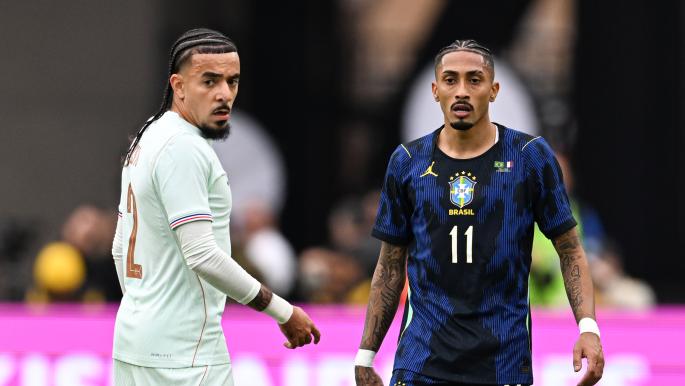
Barcelona, the Spanish football club, was dealt a heavy blow after star player Rafinha (29 years old) sustained an injury while representing Brazil in a friendly match against France. The injury could significantly impact the team's performance in the upcoming period, despite the potential for FIFA compensation.
Rafinha, who joined Barcelona in the summer of 2022, has been a key player in the team's lineup, contributing to numerous victories. His injury may mean missing some crucial matches, increasing pressure on the team in both domestic and European competitions.
Details of the Incident
In the match held last Saturday, Rafinha suffered an ankle injury following a strong tackle from a French player. Medical examinations revealed that he requires a period of rest and treatment, meaning he will miss upcoming matches. This situation places Barcelona in a difficult position, especially with critical dates approaching in both La Liga and the UEFA Champions League.
Although FIFA may compensate Barcelona for the player's injury, the financial and psychological impact of the injury cannot be overlooked. The team heavily relies on Rafinha's performance, who has scored goals and provided assists in previous matches.
Background & Context
Historically, Barcelona has faced injury issues that have affected the team’s performance in several seasons. Rafinha's injury comes at a sensitive time, as the team seeks to regain its form after a period of decline. Additionally, the team faces challenges in maintaining its position in La Liga, competing with strong clubs like Real Madrid and Atletico Madrid.
Injuries to international players while representing their national teams are not new, as we have seen many cases in recent years that have impacted clubs. This raises questions about how clubs manage international match schedules and their effects on players.
Impact & Consequences
The impact of Rafinha's injury may extend to several aspects. On the sporting front, Barcelona may struggle to compensate for his absence, which could affect the team's results in upcoming matches. Furthermore, the absence of a key player like Rafinha could impact team morale and increase pressure on other players.
Financially, despite FIFA compensation, Barcelona may incur additional losses due to declining performance or negative results. The psychological effect on fans could also be significant, as supporters expect strong performances from the team, and any decline could lead to widespread dissatisfaction.
Regional Significance
Football in the Arab world is an integral part of popular culture, and the injury of a player like Rafinha may affect his fans in the region. Arab fans who follow La Liga, especially Barcelona, may feel concerned about the impact of this injury on the team's performance.
Moreover, injuries to international players may spark discussions about the importance of player care and providing necessary support during their participation with national teams, which is a significant topic in Arab sports circles.
In conclusion, Rafinha's injury raises questions about how clubs handle injuries and their impact on overall performance. Barcelona, as one of the largest clubs in the world, will need effective strategies to address these challenges to maintain its status in the sports arena.